

Commercial Cleaning Audit Preparation Tips: A Complete Guide

Commercial Janitorial Cost Reduction Strategies: Save More
August 25, 2025
Cross-Contamination Prevention in Janitorial Work: Essential Tips
September 11, 2025
Preparing for a commercial cleaning audit can feel overwhelming, especially when we want our facility to shine and make a great impression. We all know how easy it is for small details to slip through the cracks during day-to-day operations. Are you wondering how to get your space audit-ready without unnecessary stress?
We’ve seen firsthand how a well-organized plan makes all the difference. With clear steps and a motivated team, we can boost cleanliness, safety, and confidence throughout our facility. What strategies have worked best for you in the past, and where do you see room for improvement? Let’s explore practical tips that help us approach audits with clarity and peace of mind.
Ace Your Next Cleaning Audit With Confidence—We’ll Help You Get There
Preparing for a commercial cleaning audit doesn’t have to feel overwhelming. At Summit Janitorial, we help facilities across South Carolina get audit-ready with structured plans, thorough documentation, and consistent, detail-oriented service. From pre-audit inspections to restroom sanitation and digital task tracking, our team makes sure nothing slips through the cracks. Whether you’re getting ready for a surprise visit or scheduled inspection, we’re here to reduce stress and raise your standards. Get a quote or contact us today to build your custom audit prep plan.
Understanding the Importance of Commercial Cleaning Audits
Commercial cleaning audits play a critical role in maintaining a safe and welcoming environment for everyone who enters a facility. Regular reviews spotlight both strengths and gaps in cleaning routines. Are we catching every detail, or does our team miss small tasks in high-traffic zones? Audits help answer these questions by providing clear feedback about what works and what needs immediate attention.
Many organizations use cleaning audits to measure consistency and compliance with health and safety expectations. Inspections often uncover areas we might overlook during day-to-day operations—such as seldom-used meeting rooms, storage areas, and restrooms. Do these spaces meet the same standards as our public-facing zones?
Audits don’t just flag problems; they give us a roadmap to better outcomes. With clear benchmarks, we can track progress over time and adjust our cleaning strategies as our business grows or as regulations change. Routine assessments help prevent sanitation lapses that could affect well-being or even lead to costly violations. Have you experienced how audit feedback can spark real improvements for your staff or visitors?
Preparation is less stressful when we understand the value behind inspections. Instead of viewing audits as hurdles, we can treat them as opportunities to create cleaner, safer environments. How can our teams use audit insights to set higher standards and build ongoing trust with clients and visitors?
Key Steps in Preparing for a Cleaning Audit
Preparing for a commercial cleaning audit can feel overwhelming, especially with so many areas and details to review. What questions or concerns do you have about getting your facility audit-ready? Let’s break down the most effective steps that help us move forward with confidence.
Review Cleaning Protocols and Standards
We start by revisiting our cleaning protocols and compliance checklists. Are our current procedures meeting industry benchmarks for health and safety? We examine daily, weekly and monthly routines for spaces like offices, restrooms and high-traffic zones. Comparing our practices to industry standards helps us identify gaps. Clear communication and staff training matter—do all team members understand what’s expected and why each step counts? We encourage open feedback so everyone feels empowered to ask questions or offer input.
Inspect Equipment and Supplies
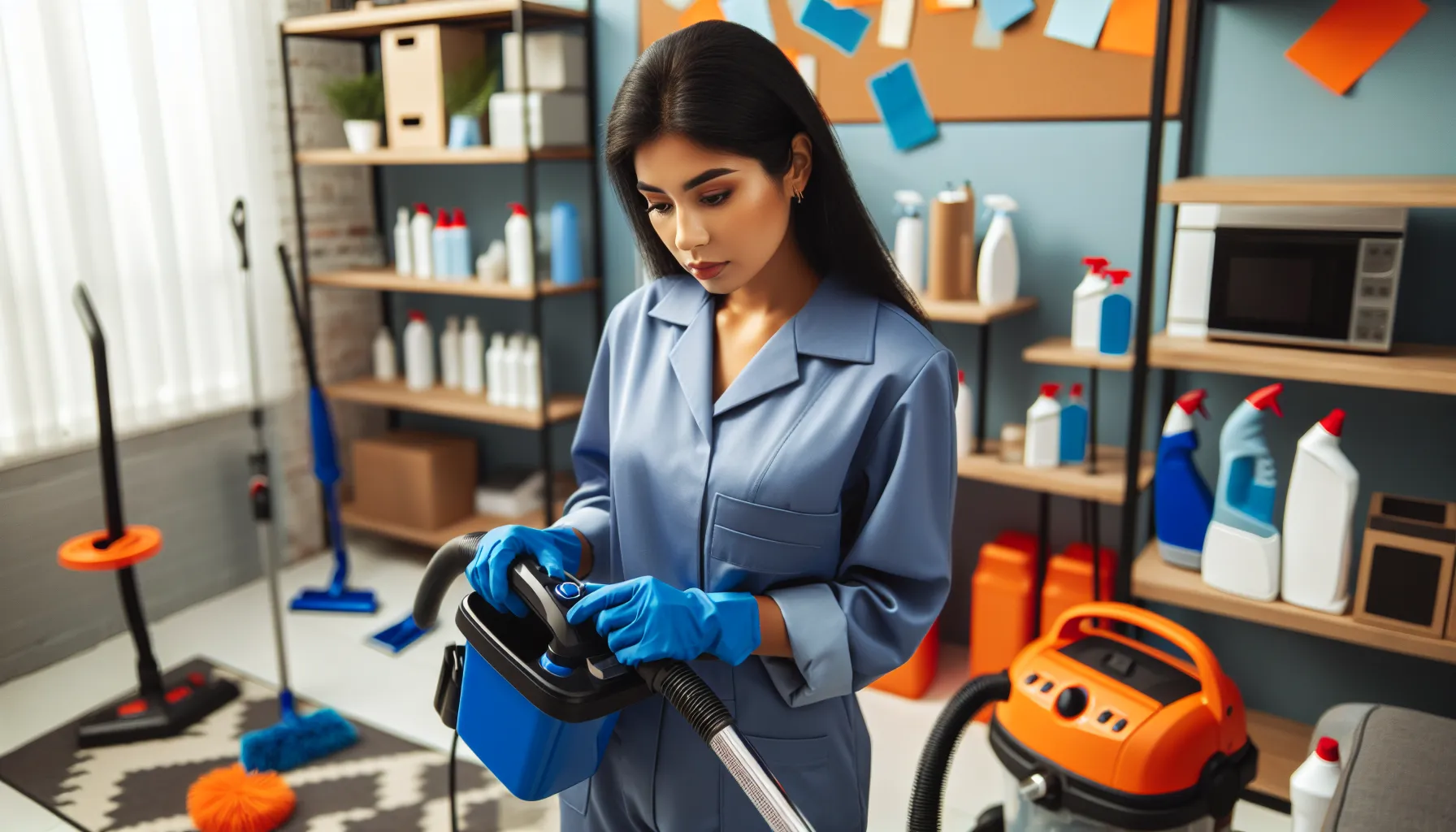
Next, we survey all cleaning equipment and products. Are our vacuums, mops and sanitizers functioning correctly and ready for use? We look for maintenance needs, replace worn-out tools and confirm that we’re using the correct cleaning agents for each surface type. Even small oversights, such as an empty soap dispenser or dull mop, can affect audit results. Could any of our supplies run low during critical times? Keeping inventory records up to date and restocking as needed helps prevent disruptions.
Update Documentation and Records
Up-to-date records tell the story of our cleaning efforts. We gather inspection logs, supply checklists and previous audit reports. Are our cleaning frequencies documented clearly for every room and area? Consistent documentation makes it easy for auditors—and our own team—to see progress over time. We maintain employee schedules, training records and incident reports. Are there missing details that need to be added? Keeping documents organized lets us answer questions quickly and demonstrate reliability.
What strategies work best for your team when it’s time for an audit? Thinking through each of these steps helps us create a space that’s both safe and welcoming for everyone who enters.
Training and Communication With Cleaning Staff

Consistent training and open communication build stronger, more skilled cleaning teams. When everyone understands expectations, the audit process becomes less stressful and results improve. How do we keep our teams informed and motivated in the busy day-to-day? Let’s look at practical ways to boost teamwork and knowledge sharing.
Conduct Refresher Training Sessions
We hold regular refresher training to sharpen skills and remind staff of audit requirements. Repeating hands-on training for high-touch areas—like restrooms, entryways, and cafeterias—helps everyone remember what’s most important. Staff practice using cleaning equipment and review safety protocols together. These sessions also create a safe space for questions and feedback. How often do your teams review cleaning standards as a group?
Establish Clear Communication Channels
We keep our communication straightforward and accessible. Posting task checklists in each area and using digital messaging apps make updates easy to share. Assigning a team lead for every shift gives staff someone they can trust for quick answers. When everyone can voice concerns or report issues quickly, misunderstandings drop and accountability rises. What methods help your team stay connected and confident about their work?
Conducting Pre-Audit Inspections
Preparing for a commercial cleaning audit can feel overwhelming, especially when details can slip through the cracks. How do we spot missed areas before someone else does? Pre-audit inspections offer the chance to see our facility from a fresh perspective, giving us peace of mind ahead of the official review.
Create and Use Audit Checklists
Developing a dependable audit checklist simplifies inspection tasks. Audit checklists help us keep track of every cleaning requirement, from entryways to storage rooms. Each item—such as dusting, vacuuming, sanitizing restrooms, and refilling supplies—appears in writing, reducing the chance of forgetting key jobs. Reviewing these lists with team members encourages shared accountability. Do our staff have questions about any checklist items? Asking them helps clarify duties and builds team confidence. Visual reminders, like wall charts or digital lists, can guide last-minute walk-throughs.
Address Common Problem Areas
Pre-audit inspections often highlight spots that gather dust or grime before anyone notices. High-traffic zones like lobbies, break rooms, and shared restrooms tend to show wear quickly. Corners, behind equipment, vents, and baseboards are often missed during daily cleaning rounds. Gathering feedback from our team helps us identify recurring trouble spots. What issues have we faced in previous audits? Focusing attention on these areas—vacuuming carpets, scrubbing floor edges, and disinfecting touch points such as door handles—raises our overall cleaning standard. Regularly rotating which staff check these locations can prevent oversights. How would our facility look through a visitor’s eyes? This question inspires us to strive for the best results, fostering pride in our shared environment.
Leveraging Technology for Audit Readiness
Digital tools simplify commercial cleaning audit preparation by providing easy access to schedules, checklists, and compliance records. Audit software stores inspection logs, training certificates, and cleaning plans in one location. Teams find it simpler to locate important documents on short notice. Are you currently using digital checklists to track routine work or share reminders? If so, you might notice fewer errors and stronger accountability.
Mobile apps help staff document completed tasks instantly. Crew members log progress with photos and notes, giving supervisors real-time updates. Do your teams feel more confident checking off work steps from their phones? This habit helps catch small gaps before auditors do.
Cloud storage keeps policies, cleaning schedules, and prior audit reports current and accessible. Any team member can reference these files securely from any device. Regularly updating documents reduces the risk of using outdated instructions.
Messaging platforms keep teams connected, even in large or multi-site facilities. Supervisors quickly send reminders, share updates, or respond to staff questions, supporting an open flow of information. Have you found it easier to resolve concerns or coordinate with cleaning teams using instant messaging?
Scheduling software allows managers to assign staff to specific zones and adjust shifts as cleaning priorities change. This flexibility helps cover high-traffic or overlooked areas during audit preparations.
Tracking systems analyze inspection trends and highlight recurring issues over time. Reviewing these insights guides training and resource decisions. What recordkeeping habits have helped your team overcome repeated cleaning challenges?
Using the right technologies helps reduce manual workload and improves accuracy. Has integrating new tech tools changed how your team approaches audits? If so, which features sped up your audit prep the most?
Conclusion
When we take a proactive approach to commercial cleaning audits we’re better equipped to create a cleaner safer environment for everyone. By embracing teamwork ongoing training and smart technology we can turn audit preparation into a valuable part of our routine rather than a stressful event.
Let’s use each audit as a chance to learn improve and showcase our commitment to excellence. With the right mindset and tools our teams can consistently exceed expectations and build lasting trust with clients and visitors.
Frequently Asked Questions
What is a commercial cleaning audit?
A commercial cleaning audit is a formal inspection that assesses the cleanliness and safety of a facility. It helps identify areas that need improvement and ensures compliance with industry standards.
Why are commercial cleaning audits important?
Audits are important because they help maintain a safe, welcoming environment, highlight overlooked cleaning areas, and demonstrate accountability to clients and visitors.
How can I prepare my facility for a cleaning audit?
Start by reviewing cleaning protocols and compliance checklists, ensuring staff training is current, inspecting equipment and supplies, and maintaining up-to-date documentation.
What are common problem areas during cleaning audits?
Frequently missed areas include high-traffic zones, restrooms, seldom-used rooms, and hard-to-reach spots. Focusing on these areas can boost your audit results.
How does staff training impact audit success?
Regular staff training keeps everyone updated on cleaning procedures and audit requirements, improving performance and reducing the chances of missed tasks or compliance issues.
What is a pre-audit inspection?
A pre-audit inspection is an internal review where teams check for missed areas before the official audit, helping reduce stress and improve readiness.
How can technology improve audit preparation?
Digital tools and apps streamline scheduling, documentation, and communications, making it easier to manage tasks, access records, and track audit progress efficiently.
Why is effective communication with cleaning staff important?
Clear communication ensures everyone knows their responsibilities, stays motivated, and can quickly address any cleaning issues before and during audits.
What documentation should be ready for a cleaning audit?
Prepare cleaning schedules, compliance checklists, inspection logs, and staff training records to demonstrate your facility’s cleaning practices and audit readiness.
How can teams handle audit stress?
Foster teamwork, provide consistent training, and utilize checklists or digital tools to organize tasks, making the audit process smoother and less overwhelming.