

Cross-Contamination Prevention in Janitorial Work: Essential Tips

Commercial Cleaning Audit Preparation Tips: A Complete Guide
September 11, 2025
Dust Control Solutions for Warehouses: Keep Your Facility Clean
September 11, 2025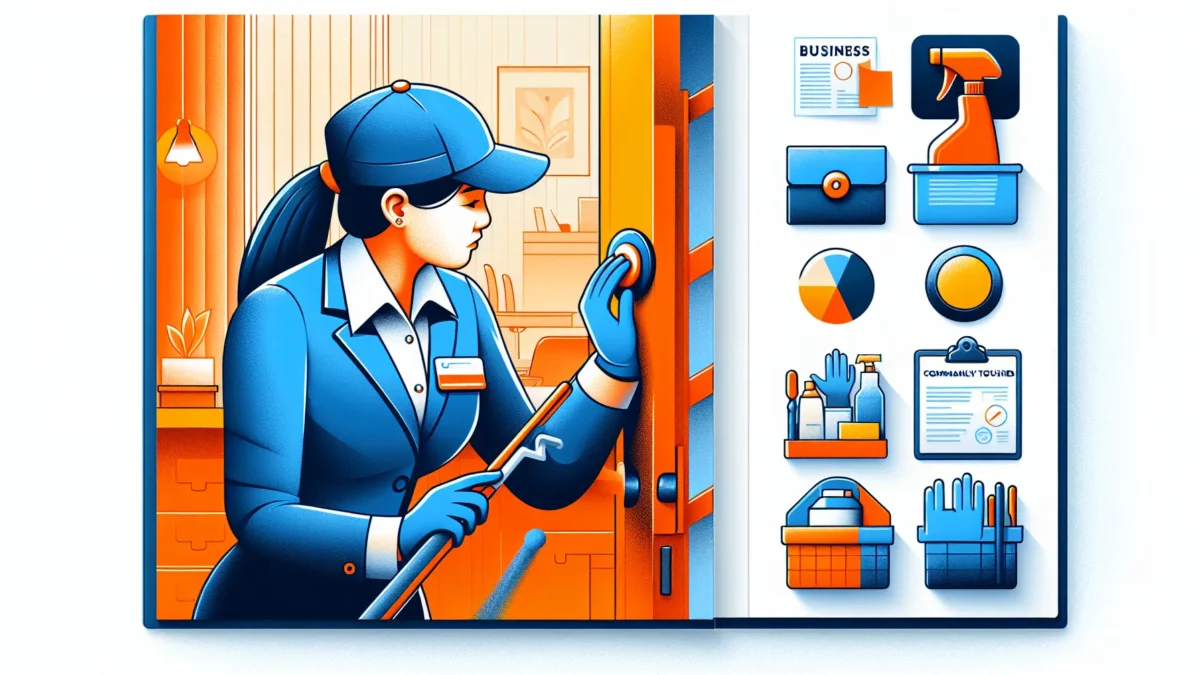
Keeping our spaces clean goes beyond what we see on the surface. Cross-contamination can quickly turn a spotless environment into a health risk, especially in places like offices, healthcare facilities, and restrooms. Even with regular cleaning, germs and bacteria can travel from one area to another if we’re not careful.
Have you ever wondered how easily germs can spread during daily cleaning routines? We often use the same tools or overlook high-touch surfaces, making it easier for bacteria to move around. By understanding the risks and adopting smart cleaning practices, we can help protect everyone who enters our buildings. What steps do you think make the biggest difference in keeping spaces truly safe?
Stop Germs Before They Spread—Protect Your Space with Smarter Cleaning
Cross-contamination isn’t just a surface issue—it’s a silent threat that spreads through shared tools and overlooked habits. At Summit Janitorial, we take a proactive approach to stop germs in their tracks with color-coded systems, proper equipment segregation, and rigorous staff training. Whether you’re running a medical office, a busy workspace, or a multi-use facility, we help you stay compliant, reduce risk, and build trust through consistently hygienic results. Ready to take cleaning seriously—where it matters most? Get a quote or contact us today to upgrade your defense against cross-contamination.
Understanding Cross-Contamination in Janitorial Work
Cross-contamination in janitorial work happens when germs, dirt, or chemicals move from one area or surface to another during cleaning. For example, using the same mop or cloth in both restrooms and office spaces quickly spreads bacteria or viruses. Have you ever wondered how easily one simple step can carry germs throughout an entire building?
Each cleaning session presents risks. Sponges, cleaning cloths, and mop heads that aren’t switched out or cleaned between uses often carry germs to new locations. High-touch surfaces—like doorknobs, elevator buttons, faucets, and shared equipment—require special attention, since they collect germs from many hands. Overlooking these spots during cleaning means bacteria may linger.
Floor care and restroom sanitation also play a key role. Floors near entryways or restrooms regularly gather bacteria, which can hitch a ride on cleaning tools and end up far from their original spot. Deep, regular sanitation routines in restrooms help break this cycle. Are you curious which daily habits might make your workspace cleaner or riskier?
We serve industries where strict hygiene standards matter, such as healthcare, so we follow specific protocols to keep clean and dirty zones separate. Using color-coded tools or single-use items cuts down on cross-contamination. Does your cleaning routine use these safeguards?
Understanding how easily cross-contamination happens helps us make smarter choices in our cleaning processes. By thinking through each step, from cleaning high-traffic areas to switching out buckets and cloths, we create healthier, safer spaces for all building users.
Key Principles of Cross-Contamination Prevention
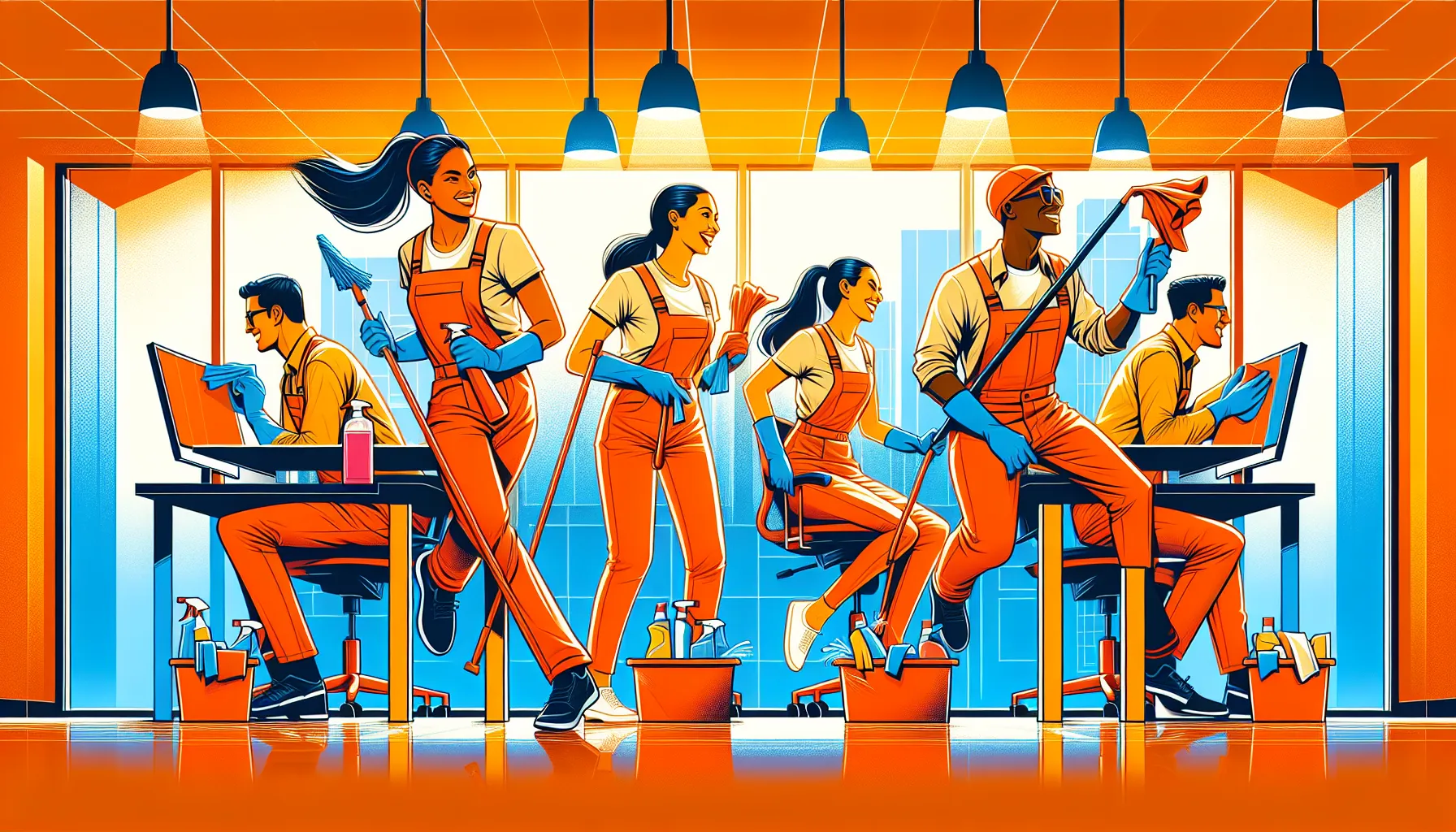
Minimizing cross-contamination starts with practical systems and consistent habits. We help our teams create cleaner, safer spaces by building on a few proven principles. How do you approach managing cleaning risks in your facility?
Color-Coding Cleaning Supplies
Assigning different colors to cleaning tools for specific zones in a building reduces the chance of germs spreading between areas. For example, using red cloths for restrooms and blue cloths for office surfaces separates high-risk spaces from lower-risk zones. This system gives everyone clear visual cues and helps new team members adapt quickly. How could color-coding simplify the work routines for your staff?
Using Proper Cleaning Techniques
Effective cleaning practices prevent movement of bacteria between surfaces. Working from cleanest to dirtiest spots keeps tools from picking up and spreading contaminants. Using fresh wipes or mop heads for each task means that high-touch points like door handles, light switches, and faucets get special attention they need. What methods do you rely on for tackling tough-to-clean surfaces?
Segregating Cleaning Areas
Keeping cleaning equipment dedicated to specific building sections lowers the risk of carrying germs from one area to another. For example, restroom tools stay in restrooms, and breakroom supplies are used only in kitchen spaces. Storing supplies separately for each area supports these boundaries. Would your teams benefit from more clearly defined cleaning zones?
Training and Education for Janitorial Staff
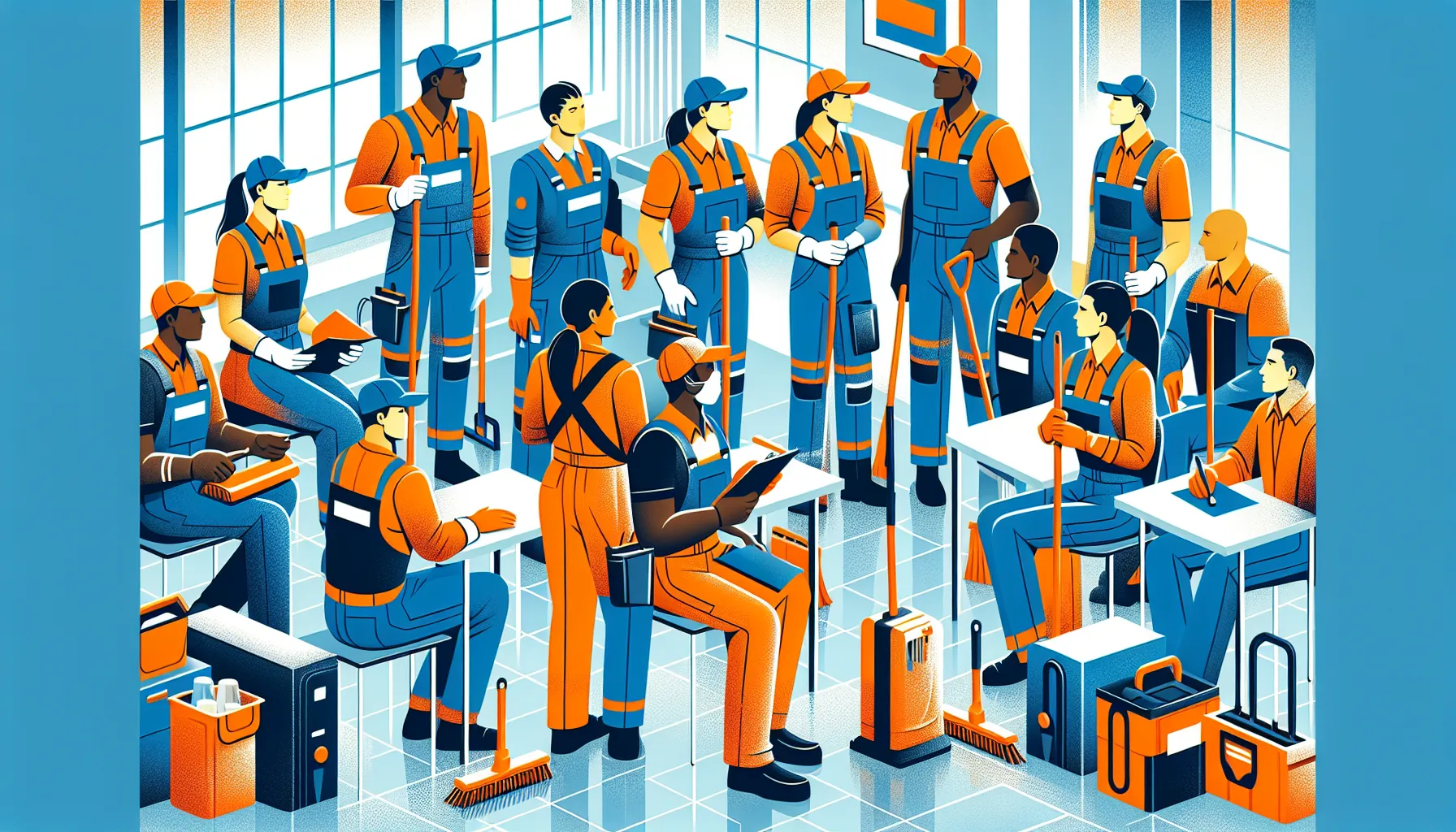
Training builds a confident team equipped to handle cross-contamination risks. Education doesn’t just stop at initial instructions—it becomes a regular part of maintaining high cleaning standards. What questions do you and your teams have about effective cross-contamination prevention?
Importance of Regular Training Programs
Ongoing training helps our staff stay alert to hygiene challenges. Frequent sessions review correct cleaning methods, safe use of supplies, and updates on protocols for high-touch surfaces. By practicing real-world scenarios and sharing feedback, we support an open learning environment. Regular workshops help us react quickly if sanitation guidelines change, especially for areas like healthcare and restrooms.
Developing Clear Cleaning Protocols
Clear written instructions give staff practical steps for safe cleaning routines. We outline how to separate cleaning tools for different zones using color-coded systems, and specify which materials to use in each area. Lists show the order of tasks—starting with cleaner areas and moving to dirtier ones. Activity checklists support accountability, so staff can track each completed task. What strategies have worked best for you in keeping teams on track with new protocols?
Best Practices for Cross-Contamination Prevention
Cross-contamination risks can surface in any facility, but clear steps make a real difference. How do we keep germs from spreading as we clean different areas? Let’s look at proven steps to prevent the transfer of bacteria and chemicals during janitorial work.
Proper Storage and Disposal of Cleaning Materials
Organizing and storing cleaning supplies with care cuts down on contamination risks. We always separate mop heads, towels, and other materials used in high-risk areas from those used in offices or common spaces. For example, placing color-coded bins or shelves helps staff quickly identify where each item belongs. Do you already keep disposable gloves and single-use wipes for certain tasks? If not, switching to disposable materials for restroom or kitchen cleaning keeps bacteria from moving elsewhere.
Used cleaning cloths and mop heads carry germs after each use. Prompt disposal or washing after every shift matters. Sealed bags for transporting soiled items make it easy to remove contamination sources right away. How do you currently handle dirty supplies in your space? Simple changes can mean fewer germs find their way into clean zones.
Regular Equipment Maintenance and Disinfection
Cleaning gear stays safe to use with ongoing maintenance and frequent disinfection. We recommend wiping down buckets, mop handles, and carts with disinfectant after finishing jobs in restrooms or healthcare spaces. For items like vacuum filters and floor cleaning pads, following a set cleaning schedule helps remove lingering dirt and bacteria. How often do your teams check or disinfect equipment?
Many facilities keep a log to track when tools were last cleaned, which keeps everyone aware and accountable. Encouraging staff to look for signs of buildup or damage before each shift boosts this habit. Have you found success with routine checks or logs? Small efforts keep tools as clean as the spaces we want to protect.
Monitoring and Continuous Improvement
Ongoing attention to cross-contamination prevention relies on monitoring cleaning methods and making steady improvements. Even the most dedicated cleaning teams see better results when they regularly assess their processes and stay open to change. How do we spot opportunities to raise standards and make our workspaces even safer?
Conducting Routine Inspections
Routine inspections help us catch problems before they become health risks. Supervisors check equipment, supply storage, and cleaning records to verify all protocols are being followed. Spot checks on high-traffic areas like restrooms and break rooms help us see if germs linger or if tools get mixed between zones. We engage staff with feedback, asking, “What challenges do you notice?” This creates a two-way conversation that helps everyone feel invested in upholding safer cleaning habits.
Adapting to New Guidelines and Technologies
Adapting to new guidelines and technologies makes prevention strategies stronger. Government bodies and health agencies release updates that affect how we approach cross-contamination. We stay informed on developments, such as new disinfectants, safer chemical options, or advanced cleaning tools. Do you ever wonder if your cleaning practices match the latest safety standards? By trying out new processes and updating protocols, we keep our methods current and effective. Training sessions, resource guides, and group discussions allow every team member to ask questions and feel equipped to handle change with confidence.
Conclusion
When we prioritize cross-contamination prevention in our janitorial routines we’re investing in the health and well-being of everyone who uses our spaces. By staying vigilant and adaptable we can keep our cleaning standards high and our environments safe.
Let’s keep supporting our teams with the right tools training and resources so we can confidently tackle any hygiene challenge that comes our way. Together we create cleaner healthier spaces for all.
Frequently Asked Questions
What is cross-contamination in cleaning?
Cross-contamination in cleaning happens when germs, dirt, or chemicals are spread from one area to another, often through shared cleaning equipment or improper cleaning practices.
Why is cross-contamination a concern in offices and healthcare settings?
Cross-contamination is a major concern because it can lead to the spread of illness, especially in shared spaces or where vulnerable individuals are present, like healthcare facilities.
Which surfaces are most at risk for cross-contamination?
High-touch surfaces such as doorknobs, faucets, light switches, and shared equipment are most at risk because they are touched frequently by many people.
How can color-coded cleaning tools prevent cross-contamination?
Color-coded tools help staff easily identify which tools belong in specific zones, reducing the risk of transferring germs between areas like restrooms, kitchens, and offices.
Why is it important to clean from cleanest to dirtiest areas?
Cleaning from the cleanest to the dirtiest areas helps prevent dragging dirt and germs into already-clean spaces, lowering the overall risk of contamination.
What are the best cleaning practices to avoid cross-contamination?
Best practices include using fresh or disposable cleaning materials for each area, segregating equipment by zone, maintaining cleaning logs, and regularly disinfecting tools.
How often should cleaning tools and equipment be disinfected?
Cleaning tools and equipment should be disinfected after each use, especially when moving between different rooms or areas within a building.
What role does staff training play in preventing cross-contamination?
Proper and ongoing staff training ensures everyone knows the correct procedures, keeps staff updated on protocol changes, and reinforces the importance of following hygiene standards.
Why is regular inspection important in cleaning routines?
Routine inspections catch potential issues, ensure protocols are followed, and maintain high hygiene standards, all of which help prevent cross-contamination.
How can cleaning protocols adapt to new health guidelines?
Cleaning teams can stay up-to-date by regularly reviewing health agency recommendations, adopting new products or technologies, and providing ongoing staff training as guidelines evolve.