


Employee Wellness Through Clean Environments: Boost Health & Productivity

Post-Construction Cleaning Services for Businesses: Complete Guide
September 11, 2025
Seasonal Deep Cleaning Plans for Offices: Year-Round Workplace Health
September 11, 2025
We all know how much our surroundings can impact our mood and productivity. Walking into a spotless office or classroom instantly makes us feel more comfortable and focused. Clean spaces don’t just look good—they help us feel good, too.
Have you ever noticed how a tidy restroom or a freshly cleaned floor can lift your spirits during a busy day? Studies show that well-maintained environments can reduce stress and boost overall wellness for employees. When we feel cared for at work, it’s easier to bring our best selves to every task.
What small changes could make your workspace healthier and more inviting? Let’s explore how cleanliness plays a key role in supporting employee wellness and why it matters for everyone on the team.
Boost Wellness and Productivity with a Cleaner Workplace
Show your team they matter by partnering with Summit Janitorial to create a spotless, uplifting workspace. Our commercial cleaning services enhance air quality, reduce germs, and keep high-touch areas consistently sanitized—helping lower sick days while improving focus, morale, and retention. When employees feel valued in their environment, they bring their best to every task. Ready to invest in a cleaner, healthier workplace? Contact us today or get a quote to get started.
The Importance of Employee Wellness Through Clean Environments
Clean environments directly influence how we feel at work. People notice the difference when they walk into a tidy space. Bathrooms and classrooms kept in great shape give us confidence that we matter to our organization. Many of us feel more at ease and focused when our workspaces are free of clutter and dirt. Have you noticed how a spotless office brightens your mood or helps you start the day with more energy?
Small details, like empty trash cans or polished floors, shape the overall experience. Consistent cleanliness tells us that care goes into every area, from shared spaces to private offices. This consistency builds trust between staff and their workplace. Do you ever find it easier to concentrate when your surroundings feel fresh and orderly?
Sanitary restrooms also support good health, which means fewer sick days and disruptions for everyone. Regular, deep cleaning helps prevent the spread of germs, especially in areas where people gather often. Would you feel more supported at work if you knew every room you entered had been cleaned to a high standard?
Clean settings show respect for everyone’s well-being. We notice stronger morale and better engagement when the environment supports us. What changes might you imagine if your workspace made you feel safe and valued each day?
How Clean Environments Influence Employee Health

Clean environments directly affect how we feel and function at work. Have you ever noticed how much easier it is to focus or relax when your workspace feels inviting and spotless? Let’s look at how a sanitized setting supports both physical health and emotional wellness.
Reduction of Illness and Absenteeism
Clean environments reduce illness and limit absenteeism among employees. Dust, bacteria, and germs thrive in neglected spaces, leading to more frequent colds, flu, and stomach bugs. Regular cleaning of high-touch areas like doorknobs, restrooms, and shared equipment breaks this cycle. Several workplaces have reported lower sick day usage, sometimes up to 30%, after improving janitorial routines and restroom sanitation. When we maintain these standards, it helps everyone stay healthier, even through busy cold and flu seasons.
How has your workplace handled sick leave during high-illness periods? Could a greater focus on cleaning lead to better attendance and fewer disruptions in your team’s workflow?
Improvement in Mental Well-Being
Clean spaces also support mental well-being for everyone in the office. Clutter and dirt add to stress and create distractions, while order and cleanliness foster calm and focus. Many employees report they feel more valued and at ease when their workspace looks and feels cared for. Anecdotes from staff in classrooms and offices reveal that routine cleaning and tidy, sanitized restrooms improve morale and daily satisfaction.
Do you notice a difference in your own mood or focus when your workspace is clean? Small steps, like consistently emptying trash and keeping shared areas fresh, can make a big impact on team spirit and peace of mind. How could a cleaner setting improve your day-to-day experience at work?
Key Elements of a Clean Workplace
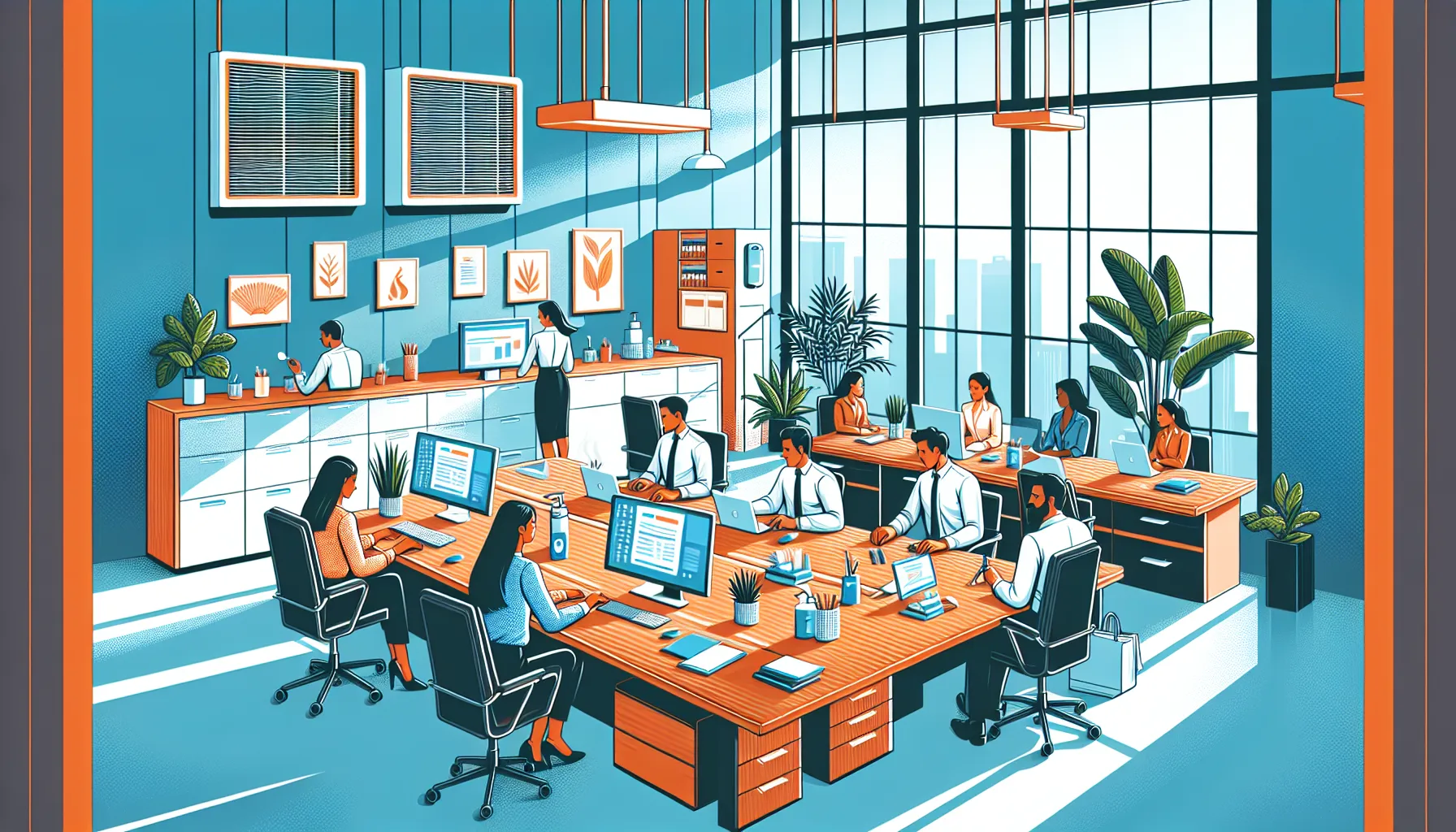
Clean workplaces set a positive tone and support every employee’s health goals. They help everyone feel valued while reducing stress and illness. What small habits could make your workspace feel more welcoming today?
Air Quality and Ventilation
Good air quality shapes how we feel at work. Effective ventilation decreases allergens and airborne germs, making it easier to breathe. Installing air filters, opening windows when possible, and keeping vents unblocked play a key role. When was the last time your office checked its ventilation systems or replaced air filters? Most employees say they notice a difference when indoor air feels fresh and circulation improves.
Sanitization and Hygiene Practices
Consistent sanitization keeps work environments safer. Regularly cleaning high-touch surfaces—like doorknobs, desks, light switches, and shared equipment—protects staff from bacteria and viruses. Placing hand sanitizer stations in visible spots helps reinforce healthy habits. Employees feel more comfortable when soap, paper towels, and sanitizers always stay stocked. In what ways could your workplace make hygiene routines easier for everyone to follow?
Organizational Cleanliness Standards
Clear standards for cleaning help everyone understand expectations. Written checklists for daily, weekly, and monthly tasks ensure that no area is left out, from restrooms to shared kitchens. Assigning specific responsibilities prevents confusion and encourages accountability. Regular feedback from employees highlights what’s working and where adjustments could improve experiences. How could your organization involve staff in raising cleanliness standards?
Best Practices for Promoting Employee Wellness
Clean environments support our staff’s well-being on every level. What does your team notice most about the spaces where they work every day?
Employee Education and Engagement
Knowledge empowers our team to make healthier choices at work. Regular updates on hygiene standards, simple cleaning routines, and the role each person plays help keep priorities clear. Workshops, wellness bulletins, and visible signage provide friendly reminders. When employees join in, spotting areas that need attention or sharing feedback, they feel valued. How could we invite more input from people across different roles and shifts?
Regular Cleaning Protocols
Consistent cleaning practices give everyone a clear sense of comfort and care. Daily schedules, organized by area and task, prevent forgotten corners and neglected surfaces. Tools like checklists support everyone’s efforts and make tracking progress easy. High-touch areas—door handles, light switches, shared equipment—require extra attention and frequent disinfecting. What’s missing from your current routine that could help keep shared spaces safer for all?
Benefits for Businesses
Clean office environments impact more than employee health—they influence how teams perform and connect. When we invest in a sanitary workspace, we send a clear message that people matter. How might a consistently clean setting shift your team’s daily experience?
Increased Productivity
Orderly and sanitized work areas help employees concentrate better. Fewer distractions from clutter and dirt can promote sharper focus and task completion. Organized spaces signal respect, boosting confidence and motivation across teams. According to published studies, companies have reported productivity improvements of up to 12% when frequent cleaning routines are in place. What small changes could help your group reach its full potential?
Enhanced Employee Retention
People who feel valued tend to stay with an organization longer. Clean environments give staff a sense of pride and help build trust between leadership and employees. Regular attention to restroom sanitation and floor care not only keeps spaces inviting but lets staff know their wellbeing matters. In surveys, businesses with higher cleanliness ratings saw up to 25% better retention rates compared to less well-kept workplaces. How might a cleaner workspace make your team feel more appreciated and committed?
Conclusion
Prioritizing clean environments is an investment in our team’s health and happiness. When we create spaces that are both inviting and hygienic we’re showing our employees that their well-being matters every day.
Let’s keep looking for ways to elevate our workplace standards and foster a culture where everyone feels respected and cared for. By making cleanliness a shared value we’re building a foundation for stronger engagement and lasting success.
Frequently Asked Questions
How does a clean workplace affect employee mood and productivity?
A clean and organized workspace helps boost mood and productivity by reducing distractions and making employees feel more comfortable. Tidy environments ease stress, improve focus, and create a welcoming atmosphere, leading to higher work satisfaction.
What are the main health benefits of maintaining a clean office?
Regular cleaning cuts down the spread of germs, dust, and allergens, resulting in fewer sick days and better respiratory health. Sanitary environments also reduce the risk of workplace illnesses, supporting employees’ overall wellness.
How can a clean environment foster better morale among staff?
Employees feel more valued in a well-maintained setting, which helps build trust and pride in their workplace. Clean spaces show respect for everyone’s well-being, encouraging higher morale and engagement.
What are the most important areas to keep clean in the workplace?
High-touch surfaces (like doorknobs, shared equipment, and restrooms) should be cleaned regularly. Keeping desks, floors, and break rooms tidy also prevents the build-up of germs and clutter, supporting a healthier environment.
How often should a workplace be cleaned to maintain optimal hygiene?
Daily cleaning is recommended for high-traffic and high-touch areas. A routine schedule, supported by checklists and responsible staff, ensures no area is missed and helps maintain a consistently healthy workplace.
What role does air quality play in workplace comfort?
Good air quality, supported by proper ventilation systems and regular maintenance, reduces the presence of allergens and airborne germs. This creates a more comfortable atmosphere and helps prevent respiratory issues among employees.
How can companies encourage employees to help keep spaces clean?
Businesses can promote cleanliness through clear policies, visible hygiene signage, and regular training on cleaning best practices. Inviting employee feedback and involvement also fosters a shared sense of responsibility.
Why do clean workplaces have better employee retention rates?
A clean environment makes employees feel valued and respected, which boosts job satisfaction. Studies show that workplaces with high cleanliness standards have up to 25% better staff retention because employees are more likely to stay where they feel cared for.
Can a clean office space actually improve productivity?
Yes, studies have found that frequent cleaning routines can enhance productivity by up to 12%. Clean workspaces minimize distractions, help staff focus, and contribute to a more productive and efficient team.
What are some small changes employees can make to improve workspace cleanliness?
Simple actions like wiping down shared surfaces, emptying trash bins, and keeping personal areas tidy make a big difference. Using hand sanitizer and following posted hygiene guidelines also contribute to a healthier environment for everyone.