


Dust Control Solutions for Warehouses: Keep Your Facility Clean

Cross-Contamination Prevention in Janitorial Work: Essential Tips
September 11, 2025
Office Cleaning for Allergy Reduction: Tips for a Healthier Workplace
September 11, 2025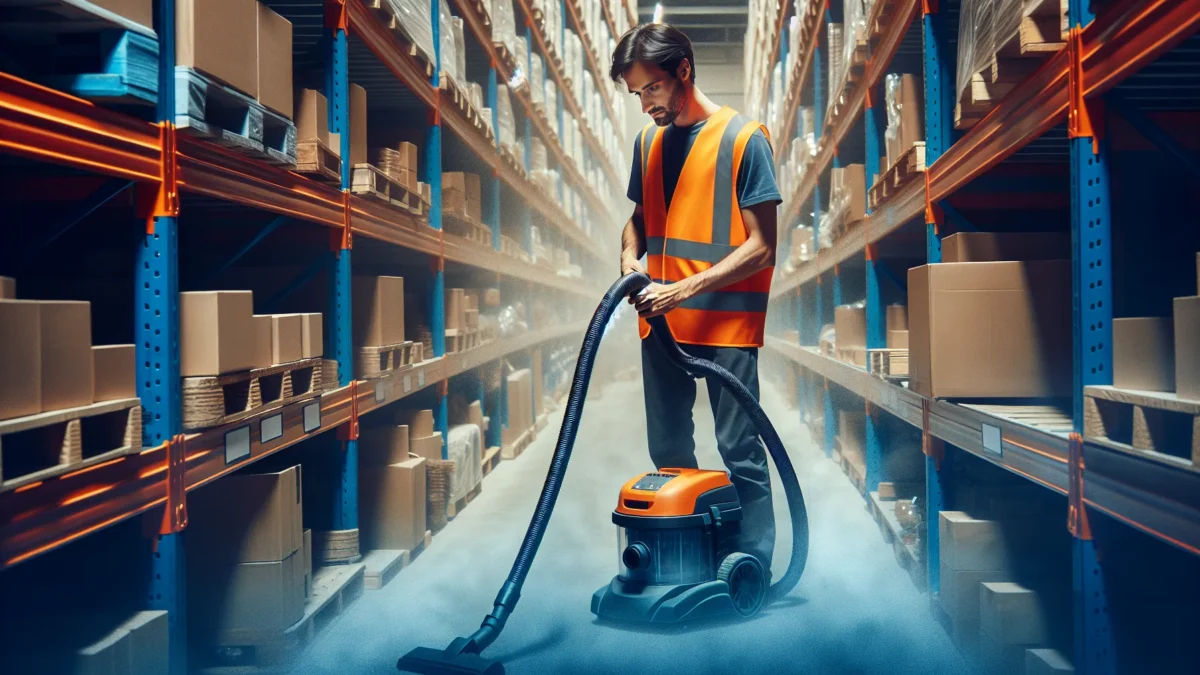
Dust can be a constant challenge in warehouses. It affects air quality, settles on inventory, and even puts equipment at risk. We know how frustrating it is to try to keep a large space clean when dust seems to return no matter how often we sweep or vacuum.
Have you ever wondered if there’s a better way to keep your warehouse cleaner and safer? Many industries, especially those with strict sanitation needs, rely on specialized cleaning strategies to protect both workers and products. By exploring effective dust control solutions, we can create a healthier workplace and help everyone breathe a little easier. What dust problems are you facing in your warehouse right now?
Breathe Easier with Proven Warehouse Dust Control Solutions
Dust buildup in your warehouse isn’t just a nuisance—it impacts air quality, worker health, equipment performance, and compliance. At Summit Janitorial, we understand how quickly dust can return even after routine cleaning. That’s why we offer professional commercial cleaning services designed to target your unique dust challenges with advanced HEPA filtration, safe suppression products, and effective maintenance strategies. Let us help you maintain a cleaner, safer, and more efficient facility. Get a quote today or contact us to explore how we can transform your warehouse’s environment.
Understanding the Importance of Dust Control in Warehouses
Warehouses face persistent dust issues that affect daily operations. Dust particles circulate quickly in large spaces, settling on products, packaging, racks and sensitive equipment. Even with regular cleaning, new layers can appear within hours, leaving teams to repeat the process. We know that this cycle frustrates many warehouse managers who strive to keep facilities presentable and compliant.
Health and safety play a central role in warehouse dust control. Fine particles in the air can irritate workers’ eyes, throats and lungs, especially for those with allergies or asthma. Do your employees experience frequent coughing or discomfort during their shifts? Research from the Occupational Safety and Health Administration (OSHA) links poor indoor air quality to increased sick days and higher turnover rates.
We also recognize that product damage remains a concern. Dust can spoil packaging, contaminate food goods, or degrade materials in electronics. How often do you notice rejected shipments or product returns due to contamination? Addressing this problem early preserves customer trust and limits costly rework.
Equipment maintenance costs rise with increased dust exposure. Filters clog quickly. Conveyors, forklifts and robotics lose efficiency when dust enters moving parts. Based on the EPA’s guidelines, facilities that limit particulate buildup reduce mechanical failures and keep repair budgets in check.
Warehouses with visible dust often draw more frequent inspections as well. Inspectors for hygiene-sensitive industries, such as food storage or pharmaceuticals, expect strict cleanliness. If dust accumulates, compliance scores and operating licenses could be at risk. Have audits revealed cleanliness issues that surprised your team?
Protecting worker health, maintaining product integrity and reducing downtime depend on addressing dust control issues early. Every warehouse faces these challenges, but finding practical solutions depends on understanding your unique situation. What’s been the most persistent dust issue in your operation, and what solutions have you tried?
Common Sources of Dust in Warehousing Environments
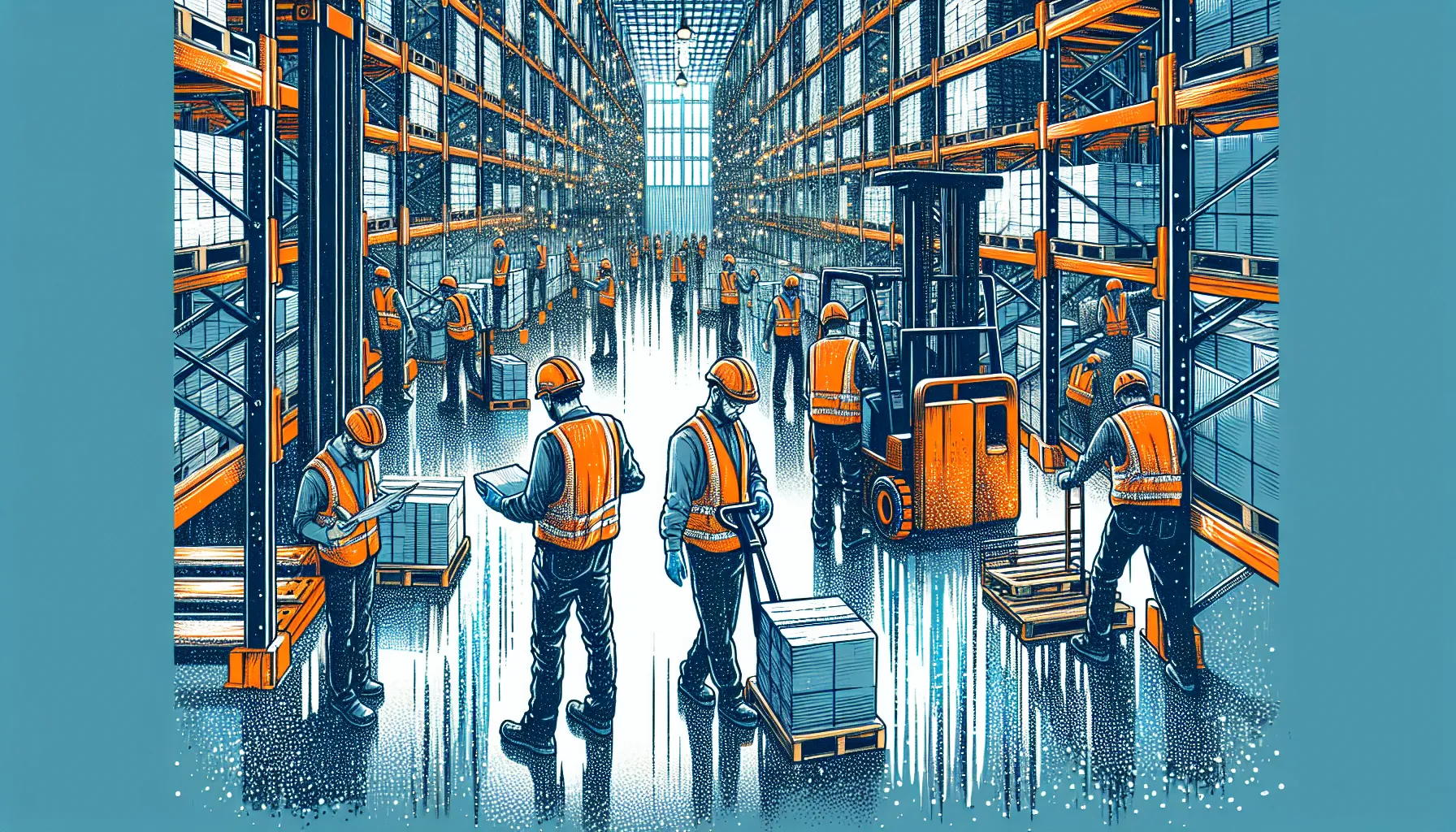
Different warehouse activities generate dust, often faster than we expect. Heavy foot and forklift traffic across concrete floors constantly grinds dirt, gravel, and packaging debris into fine particles. Do your aisles seem to get dusty even after just one shift? That’s a sign this source is more active in your space.
Pallets and cardboard boxes add another layer. Stacking and moving these items releases dust from fibers and surfaces. Have you noticed fine cardboard residue settling on shelves after each delivery? That’s warehouse packaging at work.
Raw materials in storage—like powdered ingredients, grains, or resins—shed dust as they’re handled or shift in their bins. If your team stores bulk materials, take note of visible deposits beneath hoppers and around loading areas.
Outdoor air contributes as well. Open loading dock doors allow wind to carry in pollen, dust, and exhaust particulates. Even with closed doors, ventilation systems can pull in airborne matter from outside. Are you frustrated by the dust that appears overnight after a windy day? That’s likely from outdoor intrusion.
Construction activity nearby or renovations inside can amplify dust levels within days. Drywall cutting, concrete drilling, or even warehouse expansion all jumpstart new dust accumulation on racking and inventory.
Current cleaning methods also play a role. Sweeping, if done with dry brooms or without dust-capturing equipment, often stirs up old dust rather than removing it. Have you ever noticed the air becoming hazy after routine cleaning? Your cleaning process might be part of the dust cycle.
Do you recognize these patterns in your warehouse? Identifying which sources are most active in your environment helps us choose the best strategies for long-term dust control. Which areas seem hardest to keep dust-free in your operation?
Key Dust Control Solutions for Warehouses
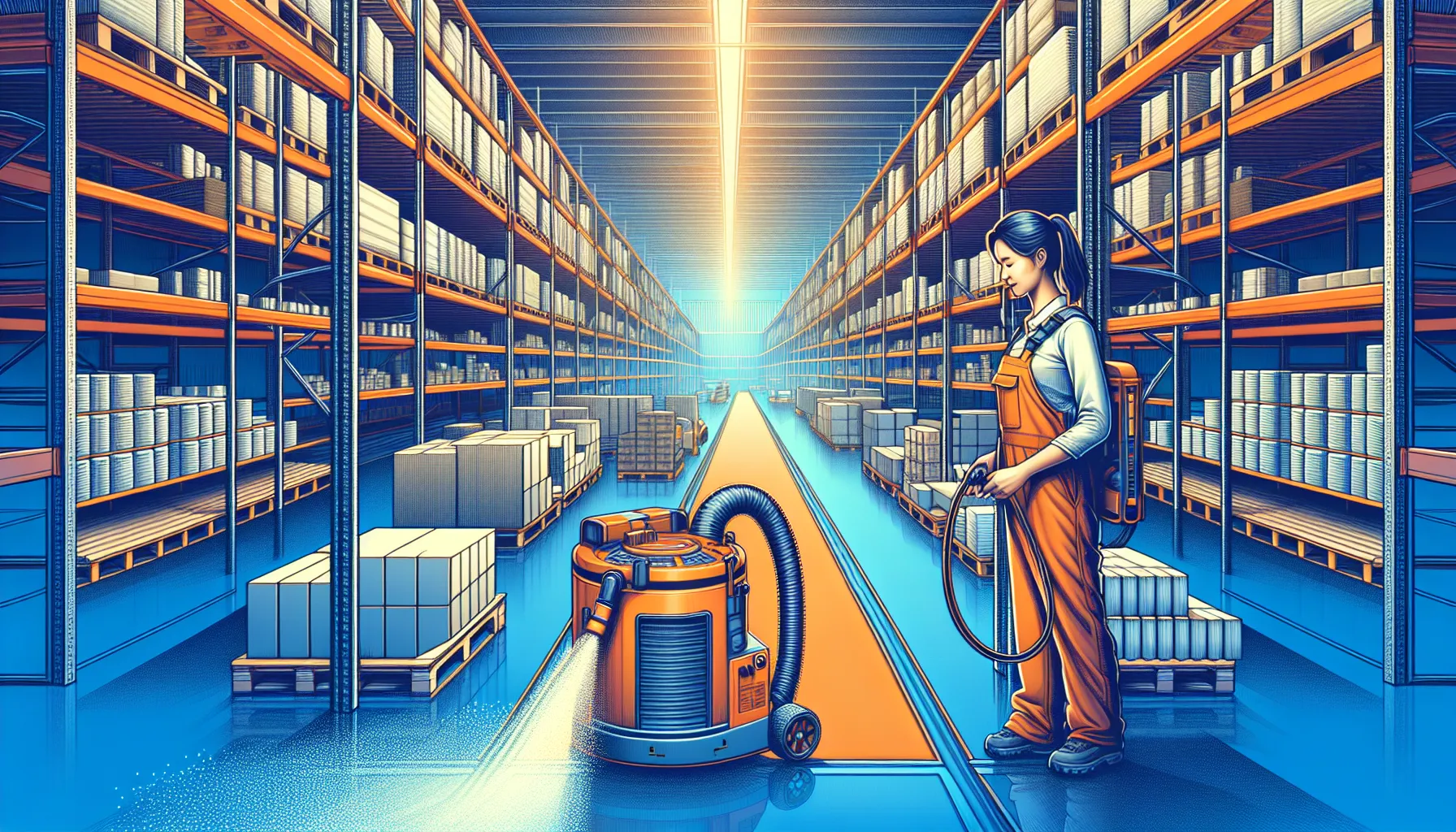
Finding effective dust control strategies for warehouses can feel overwhelming. We know the reality: dust keeps coming back despite your best efforts. Have you noticed how quickly dust settles again after cleaning? Let’s look at proven ways to break this cycle and keep dust in check.
Ventilation and Air Filtration Systems
Installing proper ventilation and air filtration systems reduces airborne dust in high-traffic warehouse zones. High-efficiency particulate air (HEPA) filters capture fine dust particles before they can settle on inventory or machinery. Many operators add air scrubbers that cycle air through filters, significantly lowering dust concentration. Have you observed persistent haze or noticed workers with respiratory irritation? Enhanced air movement and filtered air can make a visible difference.
Air Quality Control Data Table
| Solution | Average Dust Reduction (%) | Application Area |
|---|---|---|
| HEPA Filtration | 99.97 | Main warehouse floor, offices |
| Regular Air Scrubbing | 90 | Loading docks, aisles |
| Increased Ventilation | 60 | Storage, workstations |
Use of Dust Suppression Products
Applying dust suppression products can help manage loose debris on warehouse floors. Liquid dust binders, such as calcium chloride solutions, keep dust from becoming airborne during busy shifts. Some facilities use electrostatic mops or sprays that attract and trap particulates. Have you tried methods that promise better results but end up spreading dust instead? Focusing on products designed for your specific flooring and activity level often keeps the environment cleaner for longer.
Regular Cleaning and Maintenance Best Practices
Consistent cleaning routines stop dust from accumulating. Wet mopping, vacuuming with HEPA-filtered equipment, and using microfiber cloths remove dust more thoroughly than dry sweeping. Scheduling more frequent cleaning during peak activity—such as after inventory deliveries—targets problem areas before dust gets out of control. Does a cleaning log help you spot patterns or high-dust times? Updating your routine based on real data boosts overall cleanliness.
Strategic Layout and Storage Solutions
Organizing your warehouse layout makes dust control far easier. Positioning busy operations away from stored goods helps minimize dust transfer. Raising pallets off the floor and using sealed storage bins keep dust off products. Simple steps like these extend the time between deep cleans and reduce dust-related damage. What layout tweaks have you considered to help control dust? Small changes can streamline cleaning and boost worker comfort.
By combining these solutions, we can create a cleaner, healthier warehouse environment. Which method has been most effective for you?
Choosing the Right Dust Control Solution for Your Warehouse
Selecting an effective dust control method supports both a safer work environment and better product care. Let’s take a look at what matters most when evaluating solutions that fit your space and daily workflow.
Factors to Consider
Warehouse operators weigh several elements before settling on a dust control approach. Foot and forklift traffic, airflow patterns, and the types of products handled all affect dust accumulation. High-traffic areas gather dust faster, so do you regularly notice visible particles on high shelves or busy aisles?
Space size also determines how extensive your measures should be. Larger buildings often call for advanced filtration or automated cleaning tools, while smaller facilities may benefit from targeted approaches, such as frequent wet mopping or portable air scrubbers.
The materials stored in your warehouse also influence dust types. Do your goods shed fibers or powder, or do you store materials that create fine dust? Matching cleaning practices and tools to these specifics makes a measurable difference.
Another consideration is compliance. If your operations are subject to industry regulations, such as food or pharmaceutical safety standards, aligning with those requirements from the start prevents costly inspections and helps keep employees healthy.
Finally, flexibility matters. Warehouses grow, product lines shift, and operations change. Choosing dust control methods that can adapt as needs change gives peace of mind over the long-term. Are your current cleaning tools easy to scale or repurpose?
Cost Implications and ROI
Cost always comes into play when evaluating dust control options. Upfront investment in advanced filtration systems or specialty cleaning equipment can seem high, but recurring costs of labor, frequent maintenance, or product damage quickly add up if dust isn’t managed well.
Consider the chart below that summarizes direct and indirect costs associated with dust control:
| Solution Type | Initial Cost | Ongoing Cost | Key Benefits | Payback Period |
|---|---|---|---|---|
| Basic Sweeping | Low | High (labor) | Fast cleanup for small spills | Immediate (temporary) |
| Wet Mopping | Moderate | Moderate | Effective surface dust removal | Weeks to months |
| HEPA Air Filtration | High | Low | Traps fine airborne dust | 6-18 months |
| Dust Suppression Sprays | Moderate | Moderate | Stops fine dust from settling | 1-6 months |
| Automated Floor Cleaners | High | Low | Consistent cleaning, saves labor | 6-24 months |
Investing in high-grade filtration or automation can reduce labor costs, minimize product loss, and improve regulatory compliance. How often do you calculate the impact of dust on equipment downtime or wasted goods? Looking at both direct and long-term savings provides a clearer picture of which solution fits your business goals.
Understanding your priorities helps identify which approach balances performance, cost, and adaptability. Which methods do you think might lessen dust most efficiently for your warehouse?
Benefits of Effective Dust Control in Warehouses
Managing dust in warehouses brings clear advantages that go beyond a tidy appearance. Cleaner air helps our teams breathe easier, reducing irritation and health complaints. Reliable dust control can lower sick days and create a stronger sense of well-being for everyone at work. Have you noticed a difference in comfort levels when air quality improves?
Consistent dust management protects both products and equipment. Fewer dust particles mean less risk of inventory spoilage and cleaner packaging. Sensitive electronics or machinery run smoother and require less maintenance when filters and internal parts stay cleaner. How often do unexpected equipment repairs interrupt your operations?
Meeting cleanliness standards often feels challenging, especially when industry regulations require a higher level of hygiene. Effective dust control streamlines compliance audits and lowers the risk of failing inspections. This can save significant time and protect operating licenses, especially in industries where strict sanitation is non-negotiable.
Proactive dust solutions also help cut long-term costs. Maintaining a dust-free warehouse can reduce labor hours spent on cleaning and rework, while minimizing product returns due to dust contamination. Have you calculated the savings from fewer customer complaints or decreased cleaning cycles?
A cleaner warehouse makes a noticeable impression on every visitor, partner, and inspector who enters the space. Fresh environments spark confidence and trust among clients and team members alike. How might improved cleanliness help you reach your quality or business goals?
Conclusion
Choosing the right dust control solution for our warehouse isn’t just about meeting regulations—it’s about creating a safer and more efficient workspace for everyone. By taking a proactive approach and investing in effective dust management, we’re not only protecting our products and equipment but also supporting the well-being of our team.
Let’s stay ahead of dust challenges by evaluating our current practices and exploring new technologies or methods that fit our unique needs. A cleaner warehouse sets us up for long-term success and builds trust with both clients and staff.
Frequently Asked Questions
Why is dust control important in warehouses?
Dust control protects worker health, preserves product integrity, and reduces equipment wear. Proper dust management also helps warehouses stay compliant with safety and hygiene regulations, preventing costly fines and downtime.
What are the main sources of dust in warehouses?
Common sources include foot and forklift traffic, raw materials, pallets, cardboard boxes, open dock doors, ventilation systems, and nearby construction activities. All these can contribute to ongoing dust accumulation.
How does dust affect warehouse workers?
Dust can irritate the skin, eyes, and respiratory system, leading to increased sick days and potential long-term health issues. Poor air quality may also impact worker comfort and productivity.
What impact does dust have on products and equipment?
Dust can damage packaging, contaminate goods, and clog sensitive equipment, increasing the risk of product returns, customer complaints, and frequent machinery repairs.
Why is sweeping with a dry broom not effective for warehouse dust?
Dry sweeping often stirs up dust instead of removing it, causing fine particles to remain airborne and settle on surfaces again shortly after cleaning.
What are the best cleaning solutions for warehouse dust?
Wet mopping, HEPA-filtered vacuuming, and using dust suppression products like liquid binders or electrostatic mops are more effective at capturing and removing dust.
How do air filtration systems help control warehouse dust?
Air filtration systems, such as HEPA filters and air scrubbers, remove airborne dust particles, improving air quality and reducing dust settling throughout the warehouse.
What layout or storage changes can help reduce dust transfer?
Positioning high-traffic operations away from stored goods and using sealed storage bins can minimize the movement and spread of dust in the warehouse.
What should warehouses consider when choosing a dust control solution?
Consider the size of the facility, amount of traffic, airflow patterns, types of goods handled, and regulatory requirements to select the most effective and compliant dust control methods.
Are higher-cost dust control solutions worth the investment?
While advanced solutions like HEPA filtration or automated floor cleaners have higher upfront costs, they can lead to long-term savings through reduced labor costs, less product loss, and improved regulatory compliance.
How often should warehouse dust control measures be performed?
Daily or routine cleaning, combined with regular maintenance of filtration and suppression equipment, is recommended to effectively manage dust and prevent buildup.
What benefits does effective dust control provide for warehouses?
Effective dust control improves worker health, reduces equipment maintenance, protects inventory, aids in compliance, lowers operational costs, and projects a clean, professional image to visitors and clients.