


High-Touch Surface Disinfection Protocol: Best Practices Explained

Eco-Friendly Office Cleaning Services for Healthier Workplaces
June 25, 2025
Sustainable Janitorial Supply Options for a Greener Future
July 17, 2025
Maintaining a clean and healthy environment has never been more important. High-touch surfaces—like doorknobs, light switches, and shared equipment—can quickly become hotspots for germs. Have you ever wondered how often these areas are cleaned or if the methods used are truly effective? These questions are critical, especially in spaces where cleanliness directly impacts health and safety.
We understand the challenges of creating a thorough disinfection routine. It’s not just about wiping down surfaces; it’s about using effective protocols that reduce risks and promote peace of mind. By focusing on high-touch areas, we can significantly lower the chances of harmful bacteria and viruses spreading. What steps can we take to improve these practices and protect the spaces we care about most? Let’s explore the strategies that make a real difference.
Create a Cleaner, Healthier Environment with Expert Disinfection Services
At Summit Janitorial, we know the importance of keeping high-touch surfaces clean in shared spaces. Surfaces like doorknobs, light switches, and shared equipment are hotspots for germs, which is why regular and thorough disinfection is critical to reduce the spread of harmful pathogens and promote a healthier environment.
We offer expert disinfection services that focus on high-touch areas, using effective protocols and EPA-approved disinfectants to ensure your space stays clean and safe. By partnering with us, you’ll reduce the risk of illness, improve overall cleanliness, and maintain a comfortable environment for employees, visitors, or tenants.
Contact us today to learn how we can help maintain a healthier, cleaner workspace and safeguard the well-being of everyone who enters. Let Summit Janitorial provide the expertise you need to implement a comprehensive disinfection routine for your business.
Importance Of High-Touch Surface Disinfection
Regular disinfection of high-touch surfaces is critical for maintaining health and safety. These surfaces, such as doorknobs, light switches, keyboards, and elevator buttons, are frequent contact points that can quickly accumulate harmful bacteria and viruses. Addressing these areas reduces the risk of illnesses spreading in shared spaces.
Why do high-touch surfaces require special attention? They are used repeatedly throughout the day, creating ideal conditions for pathogens to transfer between individuals. Effective cleaning methods focus on breaking this chain of transmission. Without proactive disinfection, infections can persist, impacting not just individual health but the overall cleanliness of environments.
How does targeted disinfection improve outcomes? By concentrating on surfaces touched most often, cleaning efforts create cleaner spaces efficiently. This focus minimizes unnecessary resource use while maximizing the impact of cleaning protocols. A well-planned approach reinforces cleanliness standards, especially in high-traffic areas like offices, hospitals, and schools.
Are cleaning routines consistent and effective? A consistent schedule promotes a healthier environment by addressing surface contamination at regular intervals. Using the right disinfectants and techniques enhances these protocols, ensuring germs are effectively removed rather than spread during cleaning.
High-touch surfaces aren’t just a source of contamination—they also represent an opportunity. Prioritizing these areas contributes significantly to improving air quality, reducing absenteeism, and creating a sense of comfort for everyone who interacts with the space. What’s your disinfection approach doing to protect those who rely on it?
Key Components Of An Effective High-Touch Surface Disinfection Protocol
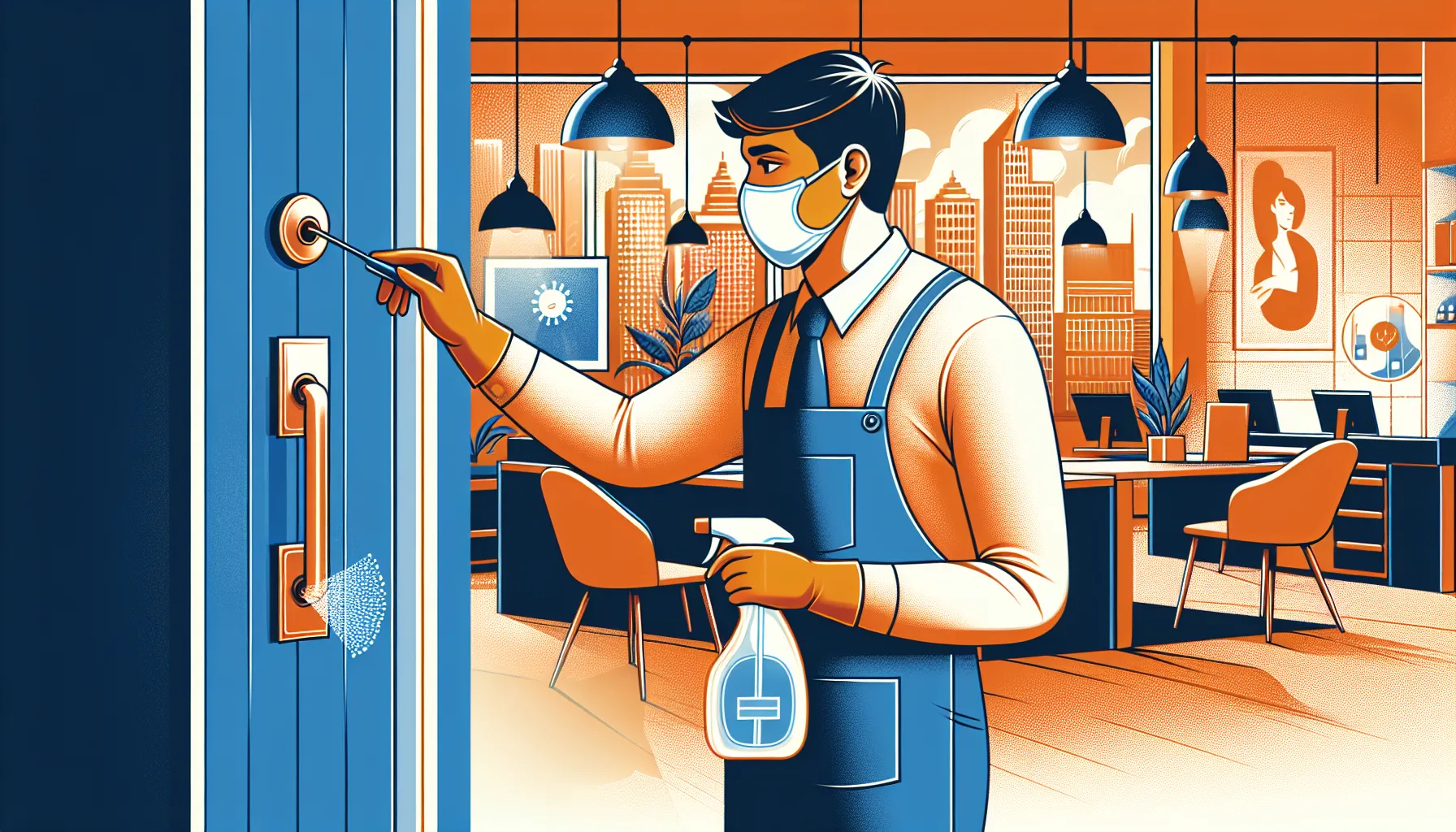
Regular disinfection of high-touch surfaces plays a vital role in maintaining a germ-free environment. By focusing on specific strategies, we can ensure better hygiene and reduce the spread of harmful pathogens in shared spaces.
Identifying High-Touch Surfaces
Identifying commonly touched surfaces is the first step in developing an effective protocol. High-touch areas often include doorknobs, light switches, elevator buttons, keyboards, and handrails. Think about the spaces people frequently interact with daily. Are there additional surfaces in your environment that might need extra attention, such as shared desks or vending machines?
Selecting Appropriate Disinfectants
Using the right disinfectants impacts the efficiency of cleaning routines. Look for disinfectants that are EPA-approved and proven to kill bacteria, viruses, and other pathogens on nonporous surfaces. Are the cleaning agents you’re currently using safe for the materials in your space and effective against germs? Read product labels to confirm compatibility with high-contact areas like countertops and electronic devices.
Frequency Of Disinfection
Repetition and consistency matter when maintaining cleanliness. High-touch surfaces in heavily trafficked areas often require multiple cleanings per day, especially during peak usage times like mornings or post-lunch hours. Ask yourself, how often do people come into contact with these surfaces? In lower-traffic areas, once-daily disinfection might suffice, but busier environments demand more frequent care to maintain hygiene standards.
Best Practices For High-Touch Surface Disinfection
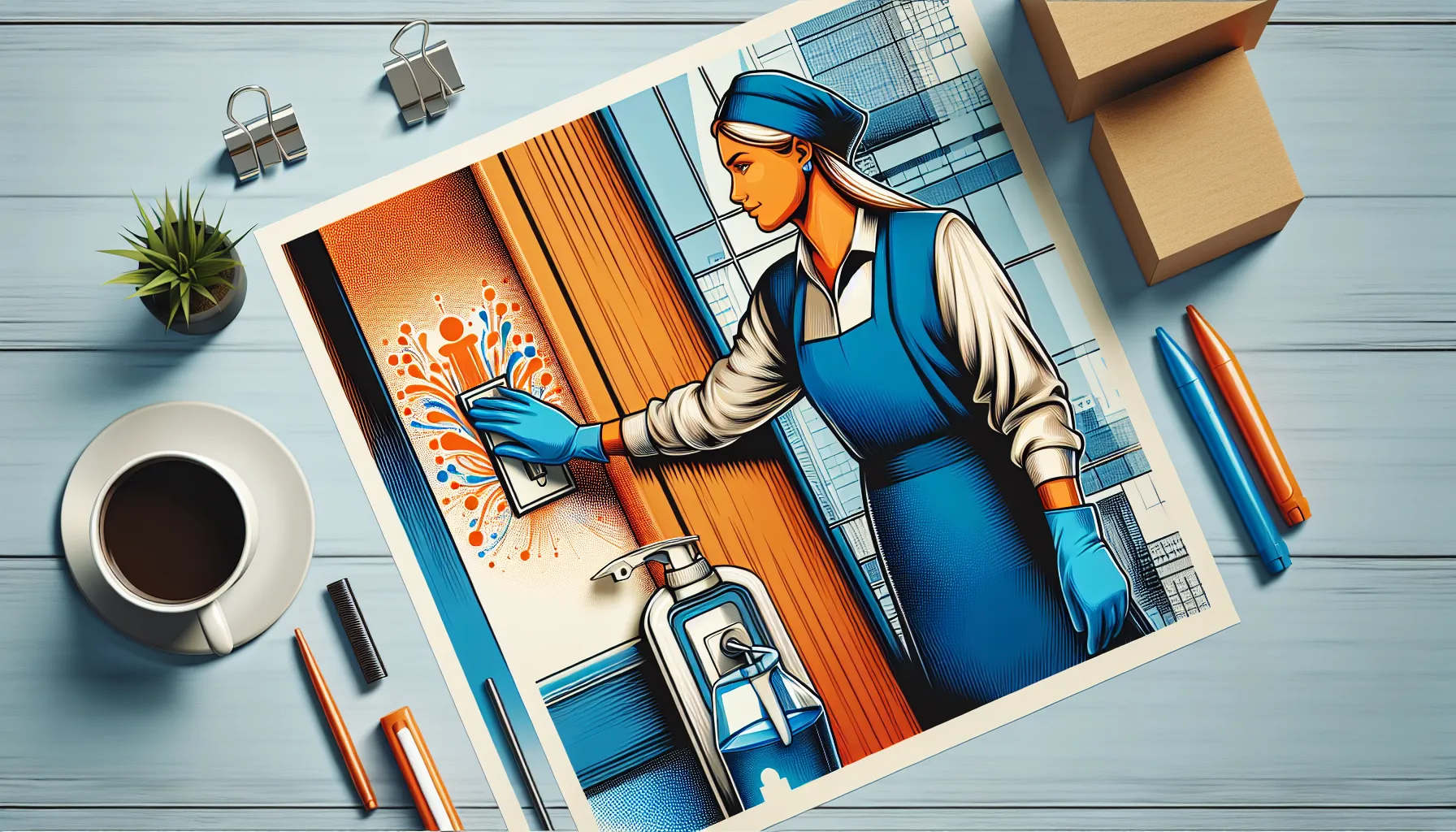
Effective disinfection of high-touch surfaces reduces the spread of infections and promotes a healthier environment. Consistency, proper methods, and attention to detail are key to achieving this goal.
Proper Cleaning Techniques
Thorough cleaning removes dirt and grime, which can harbor germs. Start by cleaning surfaces with soap and water to eliminate debris. Follow with an EPA-approved disinfectant suitable for the surface material. Focus on frequently touched items like doorknobs, keyboards, light switches, and handrails. Apply disinfectants according to label instructions, allowing adequate contact time for effective germ removal.
Use disposable or washable cloths and gloves to prevent cross-contamination. For electronics, use alcohol-based wipes safe for the devices. Are you addressing all high-touch surfaces in your space?
Training And Compliance
Training equips cleaning staff with knowledge to perform disinfection effectively. Provide clear instructions on using disinfectants, adhering to contact times, and identifying high-risk areas. Emphasize hygiene practices such as handwashing and proper glove use.
Regular refresher sessions help maintain high standards. Are your cleaning teams confident in their skills and protocols? Encouraging adherence builds trust and improves results.
Monitoring And Documentation
Tracking cleaning schedules and procedures helps maintain consistency. Keep records of what surfaces are disinfected and when. Document the products used, ensuring they meet safety and effectiveness standards.
Periodic audits identify gaps in the process. Have you established a system to review and improve your routine? Accurate documentation enhances accountability and ensures areas aren’t overlooked.
Challenges And Solutions In Implementing The Protocol
High-touch surface disinfection can feel overwhelming without the right strategies. Addressing common barriers can help create a cleaner, safer environment while maximizing efficiency.
Common Challenges
- Inconsistency in Cleaning Practices
Inconsistent cleaning routines can leave some areas untreated, reducing overall effectiveness. How do we consistently disinfect all high-contact surfaces without missing key spots?
- Resource Constraints
Limited time, staff, or supplies can hinder comprehensive cleaning protocols. For example, cleaning personnel may struggle to balance their workload with additional disinfection demands.
- Compliance and Training Gaps
Without proper guidance, staff may misapply products or skip essential steps. How can we help teams follow guidelines without adding unnecessary complexity?
- Surface Sensitivity
Some surfaces, such as electronics and delicate finishes, can be damaged by disinfectants. This makes it harder to clean effectively without causing issues.
Practical Solutions
- Standardized Schedules
Establishing clear cleaning schedules reduces oversight. Using daily checklists for high-contact surfaces like light switches, doorknobs, and keyboards increases accountability and streamlines workflows.
- Efficient Product Choices
Selecting multipurpose EPA-approved disinfectants simplifies the process and saves time. Products offering quick drying and broad-spectrum pathogen elimination are particularly helpful.
- Staff Training Programs
Ongoing education ensures that cleaning teams apply disinfectants correctly and follow best practices. Training sessions covering proper usage techniques build confidence and consistency.
- Adaptable Cleaning Tools
Using microfiber cloths, disposable wipes, or low-moisture solutions addresses varied surfaces without causing damage. For example, alcohol-based wipes are effective for electronics while reducing residue.
As we evaluate these challenges and solutions, focusing on practical adjustments can lead to improved results. Which strategies would make the most impact in your spaces?
Conclusion
Establishing an effective high-touch surface disinfection protocol is essential for creating safer, healthier environments. By prioritizing these frequently contacted areas, we can significantly reduce the spread of harmful pathogens and enhance overall well-being in shared spaces.
With the right tools, training, and consistency, we can overcome common challenges and build routines that are both practical and impactful. Small, deliberate steps toward better disinfection practices can make a lasting difference in public health and daily comfort. Let’s commit to cleaner spaces and healthier communities.
Frequently Asked Questions
What are “high-touch surfaces”?
High-touch surfaces are areas or objects frequently touched by multiple people throughout the day. Common examples include doorknobs, light switches, elevator buttons, keyboards, and shared electronic devices. These surfaces are more likely to harbor germs and require frequent cleaning to reduce the risk of infection.
Why is cleaning high-touch surfaces so important?
Cleaning high-touch surfaces is essential because they are hotspots for pathogens like bacteria and viruses. Regular disinfection minimizes the spread of harmful germs, improving overall hygiene and reducing the likelihood of illnesses in shared spaces.
How often should high-touch surfaces be disinfected?
High-touch surfaces should ideally be disinfected daily or more frequently in busy areas, especially during flu seasons or outbreaks. In high-traffic spaces, cleaning after every use may also be necessary to maintain hygiene.
What type of disinfectants should be used for high-touch surfaces?
Use EPA-approved disinfectants that are effective against bacteria and viruses. Ensure the products are safe for the material being cleaned and follow the manufacturer’s instructions for best results.
What are the steps for an effective disinfection routine?
Start by cleaning the surface with soap and water to remove dirt, then apply disinfectant following the recommended contact time. Use disposable or washable cleaning cloths and avoid reusing dirty wipes to prevent cross-contamination.
How can I train staff for high-touch surface disinfection?
Provide clear instructions, hands-on demonstrations, and ongoing training sessions to teach proper disinfection techniques. Emphasize the importance of consistency, and ensure employees follow protocols to maintain high standards.
What are the challenges of cleaning high-touch surfaces?
Challenges include inconsistent cleaning practices, resource constraints, improper disinfectant use, and difficulty prioritizing surfaces. These barriers can be addressed with standardized schedules, efficient tools, and staff training programs.
Can disinfection of high-touch surfaces improve air quality?
Yes, keeping high-touch surfaces clean reduces the spread of pathogens and contaminants, which can improve indoor air quality. Cleaner environments contribute to better respiratory health and overall comfort.
How can I ensure consistency in cleaning practices?
Implement standardized cleaning schedules, maintain clear documentation, and monitor cleaning routines regularly. Regular evaluations and feedback can help ensure protocols are consistently followed.
What tools can make disinfection more effective?
Use disposable wipes, washable microfiber cloths, spray bottles, or electrostatic sprayers for efficient cleaning. Pair these tools with appropriate disinfectants for the most effective results.