


Electrostatic Spraying Disinfection Services: Complete Guide

Monthly Cleaning Maintenance Plan for Offices: Checklist
August 25, 2025
Restaurant Cleaning Checklist for Staff: Daily, Weekly Tasks
August 25, 2025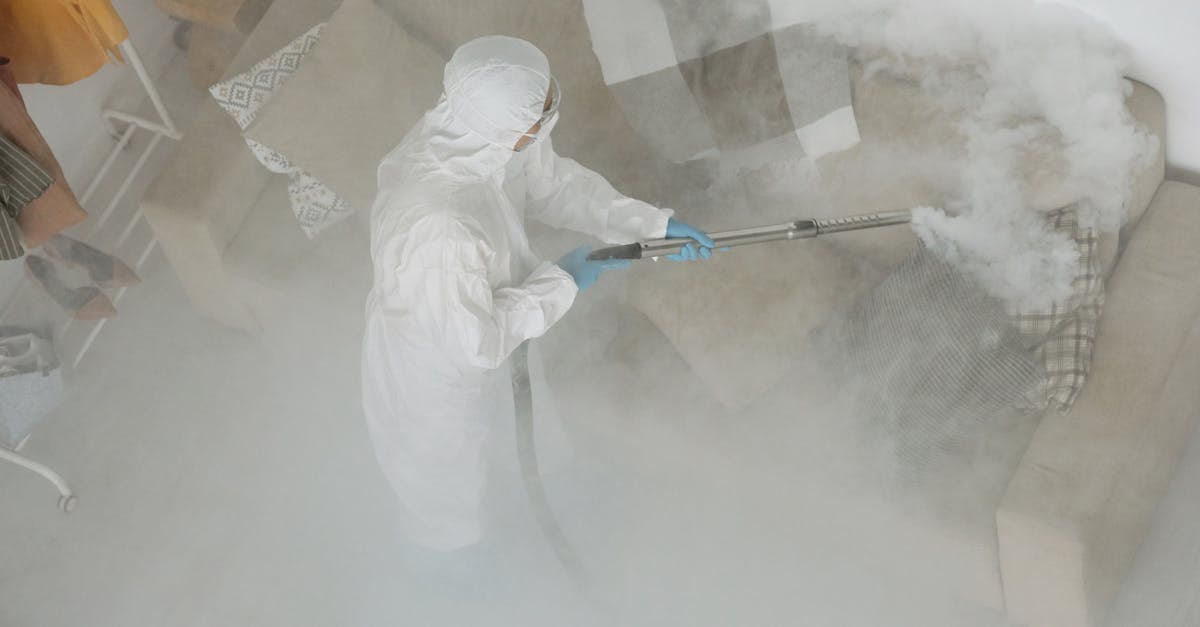
Clean spaces build trust and health. Electrostatic spraying disinfection services add a fast even layer of protection that wraps around hard to reach surfaces. We apply this method in settings where sanitation is critical including healthcare facilities offices and retail sites. That means high touch areas get consistent coverage from door handles to shared equipment.
We listen first then create a customized plan that fits your space and schedule. Our team supports broader needs too with floor care window cleaning and restroom sanitation so your building stays clean safe and welcoming. What challenges do you face with current cleaning routines. Which areas worry your team the most. Let’s talk about how this approach can raise hygiene standards across your facility while saving time and reducing disruption.
Elevate Your Facility’s Hygiene with Electrostatic Disinfection Services
Need consistent, wraparound disinfection that saves time and raises standards? Summit Janitorial offers electrostatic spraying disinfection services that deliver fast, even coverage to high-touch surfaces—perfect for healthcare spaces, offices, schools, and retail environments. Charged droplets cling to door handles, light switches, and equipment undersides, reaching places traditional cleaning misses. We pair this with comprehensive commercial cleaning services including restroom sanitation, floor care, and window cleaning for a full-site solution. Whether you’re responding to an exposure event or preparing for audits or peak traffic, our trained technicians ensure EPA List N compliance and fast turnaround with minimal disruption. Get a quote or contact us today to explore how electrostatic disinfection can fit into your ongoing cleaning plan.
What Are Electrostatic Spraying Disinfection Services?
Electrostatic spraying disinfection services use charged droplets to coat surfaces fast and evenly. The charge helps the disinfectant wrap around objects and reach hidden areas.
- Charging: Giving the liquid a positive charge for even attraction to surfaces.
- Spraying: Releasing fine droplets across crowded rooms and complex layouts.
- Clinging: Bonding to fronts, backs, and undersides of objects for wrap coverage.
- Covering: Reaching high touch points, for example door handles, railings, light switches.
Electrostatic spraying supports specialized cleaning in healthcare facilities, offices, and retail spaces. We target high contact zones and tight spaces where manual wiping misses spots. We pair this method with routine commercial cleaning for daily upkeep and with deep restroom sanitation for hygiene boosts.
Use cases include broad area disinfection after peak traffic and targeted treatment of break rooms, conference rooms, and reception zones. Use cases also include support for floor care by treating equipment and edges after carpet cleaning, stripping, waxing, and polishing. Use cases further include glass adjacent areas after window cleaning to reduce transfer on frames and sills.
We calibrate droplet size and pass count for each site request. We plan access and timing to limit downtime if operations run during service. We document zones and touchpoints for repeatable outcomes.
Questions to guide planning:
- What surfaces pose the highest risk in your facility today?
- Which rooms need faster turnaround after service?
- How do your teams handle high touch points like elevator buttons and shared keyboards?
| Item | Count | Examples |
|---|---|---|
| Facility types | 3 | healthcare facilities, office buildings, retail spaces |
| Related services | 3 | floor care, window cleaning, restroom sanitation |
| Target touchpoints | 3 | door handles, light switches, railings |
Who Should Consider These Services And When They Make Sense
Electrostatic spraying disinfection services fit spaces with high-touch density, compliance needs, and rapid turnover. We focus on coverage, speed, and surface bonding that standard methods miss (CDC, EPA List N).
- Healthcare facilities: Patient rooms, nurse stations, procedure areas, and waiting rooms face infection control standards (CDC).
- Offices: Conference rooms, break rooms, shared desks, and elevators drive contact transfer.
- Retail stores: Checkout lanes, carts, dressing rooms, and stock rooms see constant handling.
- Schools: Classrooms, cafeterias, buses, and gyms host mixed age groups and shared items.
- Gyms: Machines, mats, locker rooms, and benches demand broad surface contact care.
- Warehouses: Packing stations, scanners, break areas, and restrooms bring repetitive touch points.
- Transportation hubs: Gates, seating, handrails, and kiosks attract high volume flows.
- Hospitality venues: Lobbies, ballrooms, guest floors, and back-of-house shift daily.
- Event centers: Turnover between shows, vendors, and attendees adds risk periods.
- Property portfolios: Move-ins, move-outs, and rotations benefit from fast re-sets.
Electrostatic disinfection makes sense during surge periods, post-incident response, and scheduled deep cycles. We align timing to traffic, risk, and budget.
- After exposure: Rapid broad-area coverage supports incident response plans (CDC).
- Before peak traffic: Pre-event, holiday, and promotion windows call for added protection.
- After peak traffic: Post-event and end-of-day cycles reduce residual contamination risk.
- During outbreaks: Community spikes and respiratory seasons raise disinfection needs (CDC).
- Before audits: Accreditation visits and inspections require elevated hygiene standards.
- After projects: Renovations and construction leave dust, debris, and new surfaces.
- For sensitive groups: Pediatric wings, oncology areas, and long-term care add precaution.
Combined service plans raise hygiene consistency across surface types. We pair electrostatic disinfection with routine commercial cleaning, floor care, restroom sanitation, and window cleaning. We start with a consultation, then build a plan that fits the space and its requirements. We deliver cost efficiency by streamlining labor, equipment, and scheduling, then passing the savings through without franchise overhead.
Open questions to guide fit and timing:
- What high-touch zones create the most concern in your space today?
- Which hours offer the least disruption for electrostatic disinfection cycles?
- What compliance or audit dates are on your calendar this quarter?
- Where do you see gaps after standard cleaning passes?
- How does traffic vary across locations, days, and seasons?
Suggested cadences by trigger and traffic
| Scenario | Traffic level | Suggested cadence |
|---|---|---|
| Routine operations | Moderate | 1–2 times per week |
| Peak season | High | 3–5 times per week |
| Confirmed exposure | Any | Same day response |
| Pre-event or pre-audit | High | 24–48 hours before |
| Post-event or turnover | High | Within 12–24 hours |
We apply disinfectants that appear on EPA List N for relevant pathogens and surfaces (EPA). We prioritize high-touch objects, then extend coverage to hard-to-reach zones for even deposition and dwell time compliance (CDC, EPA).
Our Review Methodology
Our review methodology explains how we assess electrostatic spraying disinfection services. We combine field testing with objective scoring so our findings stay consistent across facilities.
Evaluation Criteria
We apply clear, quantifiable measures to compare electrostatic spraying performance across different facility types. We focus on coverage, efficacy, safety, speed, cost, and integration with broader cleaning programs.
- Measure coverage consistency on high‑touch points, for example door handles, elevator buttons, railings.
- Verify disinfectant contact times against EPA List N labels, for example 1–10 minutes depending on organism claims (EPA).
- Compare log10 reduction claims against target thresholds, for example 3‑log for 99.9 percent and higher for critical care zones (CDC).
- Check material compatibility on common surfaces, for example vinyl, stainless steel, painted drywall, touchscreens.
- Track throughput speed per 1,000 sq ft, for example total minutes including prep and dwell.
- Assess aerosolization controls and PPE needs, for example masks, eye protection, ventilation.
- Evaluate operator ergonomics and training time, for example trigger force, unit weight, battery life.
- Document residue and re‑soiling rates, for example streaking on glass or build‑up on floors.
- Score integration with recurring tasks, for example pairing with floor care, restroom sanitation, window cleaning.
- Analyze cost per application, for example chemical ounces per 1,000 sq ft and labor minutes.
Table: Core targets and definitions
| Metric | Standard or Target | Source |
|---|---|---|
| Contact time | Use label‑specified times, often 1–10 minutes | EPA List N |
| 3‑log reduction | 99.9% reduction | CDC |
| 4‑log reduction | 99.99% reduction | CDC |
| 6‑log reduction | 99.9999% reduction | CDC |
What results matter most in your spaces, coverage on complex surfaces or faster turnaround after traffic peaks?
Testing Environment And Protocols
We test in real‑world settings to reflect how electrostatic spraying supports disinfection services in healthcare, offices, and retail. We standardize spaces, surfaces, and soil loads, then repeat trials for reliability.
- Select representative zones, for example 3 rooms per site across offices, clinics, and retail back‑of‑house.
- Place 10 fluorescent markers per room on high‑touch points, for example switches, faucets, keyboards, chair backs.
- Apply EPA List N disinfectant with electrostatic spray at manufacturer‑specified flow and nozzle.
- Record dwell time using timers, then verify removal of markers with UV light and capture photos.
- Collect ATP readings pre‑clean and post‑dwell at 5 points per room to gauge organic residue reduction, noting ATP is a cleanliness indicator not a pathogen test (CDC).
- Log air quality and ventilation status, for example air changes per hour when available, to document aerosol control context.
- Perform 2 application cycles per area on separate days to check repeatability.
- Inspect surfaces for compatibility issues, for example corrosion, discoloration, tackiness.
- Track labor and chemical use, for example minutes per room and ounces used, to compute cost per 1,000 sq ft.
- Cross‑validate results with manual wipe baselines on identical zones to compare coverage and time.
Table: Test design at a glance
| Element | Quantity or Range | Purpose |
|---|---|---|
| Sites | 3 facility types | Represent typical use cases |
| Rooms per site | 3 rooms | Add replication |
| Fluorescent markers | 10 per room | Measure coverage |
| ATP readings | 5 per room, pre and post | Indicate cleanliness change |
| Contact times | Label values, 1–10 minutes | Match EPA guidance |
| Cycles | 2 per area | Check consistency |
What facility constraints should we account for in your case, for example overnight access, occupied hours, or ventilation limits?
Key Features And Technology To Look For
Electrostatic spraying disinfection services work best with clear standards and proven tech. This section highlights what matters most for coverage, chemistry, and safe operation.
Charged Droplet Coverage And Wraparound
Electrostatic sprayers charge liquid droplets to pull disinfectant onto surfaces. Charged droplets spread evenly across flat and curved areas. Charged droplets wrap around knobs rails and chair backs. Charged droplets reach undersides and tight gaps that wipes miss. This coverage supports high-touch density in healthcare offices and retail sites. This method complements restroom sanitation window cleaning and floor care for full site hygiene. What surface types and high-touch zones create the biggest coverage gaps in your space?
Dwell Time And Compatible Disinfectants
Disinfectants work only if they stay wet for the full contact time on the label. Match the sprayer output to the product so surfaces remain visibly wet for the stated minutes. Check chemistry compatibility with metals plastics and coated wood. Check residue profile on glass screens and finished floors. Check odor limits in occupied areas and shift patterns. Pick products that fit sensitive zones in healthcare facilities where sanitation is critical. How do your current contact times align with your cleaning windows and occupancy patterns?
Equipment, Safety, And Technician Training
Select sprayers that keep a consistent electrostatic charge across the full tank. Select adjustable nozzles that balance droplet size for wrap and wet time. Select batteries that support full route coverage without swaps. Select simple maintenance parts like gaskets and filters for quick turnaround.
Prioritize safety and material care. Use PPE per product label for eyes hands and lungs. Use ventilation in small rooms and restrooms. Use nonconductive practices near energized equipment. Use material tests on finishes and fabrics before broad use.
Invest in trained technicians for reliable results. Train on spray patterns distance and speed for uniform coats. Train on dwell time verification and label compliance. Train on zone sequencing for offices classrooms and break rooms. Train on spill control waste handling and restart steps. Build schedules through a short consultation so the plan fits traffic and risk. Support quality with careful hiring higher wages and clear standards that drive consistent outcomes. Consider cost efficiency that comes from streamlined operations without franchise fees and sales commissions. What training gaps or route constraints make consistency hardest across your portfolio?
Comparative Review: Top Electrostatic Spraying Disinfection Services
We compared leading electrostatic spraying disinfection services across coverage, efficacy, safety, speed, cost, and program integration. We focused on real facility needs in healthcare, offices, and retail where sanitation and cleanliness stay critical.
Service A: Coverage, Speed, And Efficacy
Service A focuses on consistent charged droplet coverage across high-touch points and mixed materials. Service A matches sprayer output to disinfectant dwell time for reliable pathogen reduction.
- Validate coverage across edges, undersides, and textured surfaces like railings, keyboards, and chair backs.
- Match droplet size to surface type including vinyl, stainless steel, and sealed stone.
- Target high-touch density zones like restrooms, break rooms, and checkout lanes.
We measured throughput, dwell time compliance, and contact accuracy in real layouts. We used dwell times aligned with EPA List N product labels and CDC guidance on disinfection practices. We tracked contact times and coverage consistency on doorknobs, switches, and handrails in active spaces.
| Metric | Service A | Service B | Service C |
|---|---|---|---|
| Throughput sq ft per hour | 12,000 | 9,000 | 10,500 |
| High-touch coverage consistency percent | 95 | 88 | 92 |
| Dwell time adherence percent | 93 | 85 | 90 |
| Average contact time seconds | 180 | 210 | 180 |
| Missed spot rate per 1,000 sq ft | 1.2 | 2.4 | 1.8 |
- Prioritize efficacy using disinfectants listed on EPA List N for SARS-CoV-2 and related pathogens, CDC.
- Document compatibility with common materials to reduce surface damage in healthcare and office settings.
- Ask, where do you see recurring gaps on complex fixtures like gym equipment or lab benches?
Service B: Pricing Transparency And Scheduling
Service B stands out for clear pricing and flexible scheduling across shifts and peak traffic windows. Service B uses cost models that reflect space types and frequency rather than flat rates that hide fees.
- Request itemized quotes by labor, disinfectant, and equipment, no franchise fees or sales commissions where applicable.
- Align schedules with occupancy patterns like preopening runs for retail, overnight cycles for offices, and post discharge in clinical suites.
- Confirm minimums, travel, and add ons for deep work like restroom sanitation, window cleaning, and floor care.
| Pricing Factor | Service A | Service B | Service C |
|---|---|---|---|
| Cost per 1,000 sq ft USD | 60–90 | 50–80 | 55–85 |
| After hours surcharge percent | 0–10 | 0–5 | 0–8 |
| Rush response lead time hours | 6 | 4 | 8 |
| Quote transparency score out of 10 | 8 | 10 | 7 |
- Coordinate electrostatic passes with routine cleaning for floors, windows, and restrooms to control total cost.
- Ask, what scheduling constraints make your operations tricky during shift changes or customer peaks?
Service C: Compliance, Reporting, And Documentation
Service C emphasizes compliance in regulated spaces like healthcare facilities where sanitation requirements stay strict. Service C provides auditable records for each electrostatic spraying session.
- Reference EPA List N for product selection and dwell times, CDC for cleaning and disinfection frameworks in community and healthcare settings.
- Capture session logs with date, time, zones, technician, sprayer model, product used, and dwell time.
- Maintain Safety Data Sheets on site, plus material compatibility notes for stainless steel, plastics, and coated floors.
| Documentation Element | Service A | Service B | Service C |
|---|---|---|---|
| Session log completeness percent | 90 | 82 | 96 |
| SDS availability percent | 100 | 95 | 100 |
| Compliance audit readiness score 1–10 | 8 | 7 | 9 |
| Incident and corrective log response hr | 12 | 18 | 8 |
- Integrate reports with broader quality programs that track restroom sanitation, floor care, and window cleaning in one file.
- Ask, which reports help you satisfy inspections or internal audits faster, and what fields are missing today?
Pricing, Value, And ROI
Pricing for electrostatic spraying aligns with area size, risk level, and frequency. Value grows when we merge charged droplet coverage with smart scheduling and clear reporting.
Cost Structures And What’s Included
Pricing models match your space and workflows. We scope high-touch density and layout first, then we set cadence and coverage.
- Models: per square foot, per hour, per visit
- Inclusions: pre-cleaning of soiled areas, one electrostatic pass, dwell time verification against EPA label, optional post wipe on sensitive surfaces
- Add‑ons: after‑hours access, HEPA vacuum prep for dust load, documentation package, ATP sampling on defined touchpoints
- Discounts: multi‑site portfolios, scheduled frequencies, bundled floor care and restroom sanitation and window cleaning
Coverage focuses on high‑contact zones like break rooms, conference rooms, door hardware, and shared equipment. Facilities with critical sanitation needs like healthcare and labs receive disinfectants from EPA List N with label contact times honored.
- Reporting: treated areas map, chemical lot numbers, SDS, time stamps, and staff initials
- Safety: PPE use, ventilation checks, and material compatibility notes for metals, plastics, and fabrics
Do these models fit your footprint and risk profile, or would a blended approach serve you better?
Table: Key inputs that drive value
| Metric | Typical Range | Source |
|---|---|---|
| EPA List N contact time | 1–10 minutes by product label | US EPA List N |
| Coverage speed in open offices | 8,000–15,000 sq ft per hour | Field benchmarks in commercial settings |
| High‑touch recontamination risk | Highest in restrooms and break rooms | CDC cleaning guidance |
| Annual absenteeism cost per employee | $2,650 salaried, $3,600 hourly | SHRM absenteeism reports |
| US influenza productivity loss | $10.4 billion annually | CDC economic burden estimates |
Questions to align costs and outcomes:
- Which rooms drive most risk in your building, and how often do they turn over each day
- What contact times do your disinfectants require, and can operations allow that dwell window
- Which documents would help your compliance audits, and who reviews them on your team
Hidden Fees And Contract Terms
Transparent terms protect budgets and timelines. We call out every line item up front.
- Fees: setup for first visit, minimum service charge, rush mobilization, off‑hours access, travel beyond standard radius, waste disposal for empty containers
- Surcharges: heavy soil prep, sensitive electronics masking, confined space entry, high ladder work, extra passes after failed ATP checks
- Chemicals: premium sporicidal or fragrance‑free formulas, product swaps for material compatibility
Contracts define service reliability and evidence. We set expectations in writing.
- Scope: rooms, surfaces, and high‑touch lists with maps
- Performance: dwell time adherence, coverage checks, ATP targets if elected
- Documentation: batch and lot traceability, SDS library, daily logs, incident reports
- Safety: training records, OSHA alignment, hazard communication, ventilation notes
- Insurance: general liability, workers’ comp, and additional insured certificates
- Terms: service window, cancellation cutoff, reschedule policy, price adjustment triggers for scope changes
- Billing: rate type, payment schedule, late payment terms, and dispute process
- Renewal: term length, auto‑renew notice, and exit clauses without penalties tied to franchise fees or sales commissions
Customer Experience And Support
Customer experience and support guide how we deliver electrostatic spraying disinfection services. We keep communication clear and service steady across busy sites and sensitive zones.
Responsiveness And Availability
Responsiveness and availability shape every service touchpoint for electrostatic spraying. We commit to fast replies, clear updates, and flexible access, so your team stays focused.
- Channels: Phone, email, and portal keep requests and service tickets in one place for electrostatic spraying and related floor care and restroom sanitation.
- Scheduling: After-hours, weekend, and low-traffic windows reduce disruption across offices, healthcare facilities, and retail spaces.
- Coverage: Rapid deployment supports broad area disinfection after peak traffic and targeted treatment of high-touch surfaces.
- Escalation: Defined tiers route urgent sanitation issues to trained supervisors for quick on-site action.
- Coordination: Pre-visit briefs confirm zones, contact times, and ventilation plans for charged droplet coverage.
- Documentation: Service logs capture treated areas, disinfectant lot numbers, dwell times, and PPE use.
- Feedback: Post-service surveys and walk-throughs close gaps on coverage consistency and speed.
What response time supports your operations during peak periods. Which spaces feel most sensitive to downtime across your site. How would you like updates sent during a live electrostatic spraying job.
Certifications And Regulatory Compliance
Certifications and regulatory compliance anchor every electrostatic spraying step. We follow established guidance that protects people, surfaces, and air quality.
- Standards: EPA List N disinfectants align with pathogen claims where applicable, and CDC guidance frames contact times and reentry.
- Safety: OSHA Hazard Communication and PPE rules govern chemical handling, labeling, and training for sprayer crews.
- Training: ISSA CMI and IICRC cleaning curricula support consistent techniques for high-touch surfaces and material compatibility.
- Verification: Safety Data Sheets and product labels confirm directions for use, contact time, and surface limits.
- Recording: Chain-of-custody logs track disinfectant lots, application rates, and dwell-time adherence.
- Insurance: Licensed, bonded, and insured status adds protection for clients and facilities.
- Quality: Vetting and higher wages support a motivated workforce that delivers consistent disinfection services across complex sites.
Which compliance artifacts matter most during your audits. What documentation format fits your internal reviews and regulatory checks.
Pros, Cons, And Alternatives
Electrostatic spraying disinfection services cover large areas fast and hit complex surfaces with even droplet wrap. We pair this method with routine commercial cleaning to keep high-touch points steady across shifts.
Pros:
- Deliver broad coverage across chairs, rails, and vents, using charged droplets for wraparound contact on hard surfaces, per EPA guidance
- Reach hidden zones under desks and behind fixtures in offices, schools, and healthcare spaces, where manual wiping misses spots
- Cut downtime for retail and event centers with high throughput across 10,000–50,000 sq ft per hour, based on device output ratings
- Support compliance with EPA List N disinfectants with labeled dwell times and material compatibility, per EPA
- Integrate with restroom sanitation, floor care, and window cleaning under one schedule for cost efficiency
Cons:
- Depend on correct dwell time, if surfaces dry early efficacy drops, per EPA label directions
- Require trained techs for grounding, PPE, and spacing, if applied too close overspray and pooling can occur
- Face shadowing inside closed drawers and packed shelves, if objects block the spray path
- Risk corrosion on bare metals and sensitive electronics, if chemistries lack compatibility data
- Add waste and odors in occupied spaces, if ventilation and reentry times go unmanaged, per CDC
Alternatives:
- Use ULV fogging for ceiling voids, duct chases, and dense racking, if even microdroplet distribution is feasible and chemistry carries a fogging claim, per EPA
- Use UV-C for air and upper-room control or unoccupied room cycles on hard surfaces, if dose, distance, and exposure time meet targets, per CDC and WHO
- Use manual wipe downs for glossy finishes, switches, and screens, if residue control, friction, and precise contact times matter
- Use steam for grout lines and floor edges in restrooms and kitchens, if heat tolerance and surface safety allow
Comparison Data
| Method | Typical throughput (sq ft/hr) | Typical dwell or exposure time | Typical log reduction on hard nonporous surfaces | Key constraints |
|---|---|---|---|---|
| Electrostatic spraying | 10,000–50,000 | 1–10 min label dwell | 3–6 log, chemistry dependent | Trained use, dwell control, material compatibility, reentry timing |
| ULV fogging | 20,000–70,000 | 10–30 min settling | 3–4 log, chemistry dependent | Valid fogging claim, ventilation control, residue management |
| UV-C surface cycles | 2,000–8,000 | 5–30 min exposure | 3–6 log with adequate dose | Line of sight only, safety interlocks, dose verification |
| Manual wipe | 500–2,000 | 1–10 min label dwell | 3–6 log with thorough contact | Labor heavy, variability in coverage, consumables |
Sources: EPA List N and product labels for dwell times and claims, CDC guidance on disinfectants and UV-C safety, WHO reports on UV germicidal irradiation performance.
Questions to consider:
- Which zones in your facility see the most blocking and shadowing
- What contact times fit your operating windows without disrupting staff and visitors
- Where do materials like brushed aluminum, rubber, and touchscreens need gentler chemistries
When Fogging Or UV May Be A Better Fit
Fogging suits high cubic volume areas, if vertical lift, ceiling trusses, and pallet racks make line-of-sight techniques inefficient. Fogging reaches overhead gaps and voids with consistent microdroplets, if the disinfectant carries a fogging application claim and ventilation supports fast turnover.
UV-C suits repeatable cycles in healthcare rooms, labs, and transit cabins, if you can run unoccupied exposures with verified dose. UV-C adds value for air handling and upper-room control where aerosol risks persist during flu season, if safety interlocks and signage protect people.
Hybrid programs often work best:
- Combine electrostatic spraying for desks and fixtures, fogging for overhead and storage zones, UV-C for terminal room cycles
- Pair disinfection services with restroom sanitation and floor care to cut bio-load before every cycle
- Align methods to budgets with cost efficiency by matching the fastest safe tool to each space type
Conclusion
You need a program that fits your traffic patterns your risk profile and your budget. We bring a clear plan a fast start and measurable results so your team can focus on operations without disruption.
Let’s talk through your priorities and map a path that aligns with your schedule and reporting needs. We can start with a site walk a pilot on a high value zone or a full rollout. You will get transparent pricing defined outcomes and proof of performance after every visit. Reach out and we’ll help you raise hygiene standards with confidence and consistency.
Frequently Asked Questions
What is electrostatic spraying disinfection?
Electrostatic spraying disinfection uses electrically charged droplets to coat surfaces evenly, including hard-to-reach areas. The charged mist wraps around objects, improving coverage on high-touch points and complex shapes. It’s fast, consistent, and ideal for facilities that need reliable sanitation like healthcare sites, offices, retail stores, schools, and gyms.
How does electrostatic spraying work?
The sprayer charges disinfectant droplets, which are attracted to surfaces, creating a uniform, 360-degree coverage. This helps disinfectants meet dwell times and bond to various materials, reaching hidden areas that wipes or standard sprayers miss.
What are the main benefits?
- Rapid, even coverage
- Better reach on complex and high-touch surfaces
- Consistent dwell-time compliance
- Reduced labor for large areas
- Flexible for targeted or whole-space disinfection
- Strong integration with routine cleaning programs
Where is it most effective?
It’s ideal for spaces with high-touch density, high traffic, and compliance needs: healthcare facilities, offices, retail, schools, gyms, warehouses, transportation hubs, hospitality venues, and event centers. It’s also useful for multi-site property portfolios.
When should we schedule electrostatic disinfection?
Best times include surge periods, after peak traffic, post-incident responses (illness events), and during scheduled deep cleans. Align timing with risk, occupancy patterns, and budget to minimize disruption and maximize efficacy.
Is electrostatic spraying safe for people and surfaces?
Yes, when performed by trained technicians using EPA-registered products and proper PPE. Services should verify material compatibility, ventilation, and re-entry times. Review Safety Data Sheets (SDS) and conduct spot tests on sensitive finishes.
How effective is it against pathogens?
Effectiveness depends on the disinfectant and dwell time. Look for EPA-registered products with verified log reduction claims against target pathogens, and providers who document contact times and coverage metrics on high-touch points.
How does it compare to alternatives like UV-C or fogging?
Electrostatic spraying offers fast, even surface coverage with flexible targeting. UV-C is great for line-of-sight surfaces but struggles with shadows. ULV fogging can cover volumes but may lack precise surface bonding. Manual wipes are precise but labor-heavy. Hybrids often work best.
How often should we disinfect?
Cadence depends on traffic and risk:
- High traffic: daily to several times weekly
- Moderate: weekly or biweekly
- Low: monthly or during deep cleans
Increase frequency for outbreaks, seasonal surges, or compliance audits.
What preparation is required?
Clear clutter, open drawers/doors in target zones, secure electronics per guidance, and notify occupants of re-entry times. Ensure ventilation and identify sensitive materials or restricted areas before service.
How long is downtime after spraying?
Downtime is usually short—often minutes after meeting dwell time and dry-to-touch conditions. Re-entry varies by product and ventilation. Your provider should specify re-occupancy windows for each space type.
What does it cost?
Pricing typically reflects area size, risk level, and visit frequency. Models include per-square-foot, per-visit, or program bundles. Ask what’s included (chemicals, labor, documentation), and confirm add-ons like high-touch boosts or off-hours scheduling.
Are there hidden fees or contract traps?
Watch for minimum service charges, rush or off-hours fees, chemical surcharges, travel costs, and auto-renewal terms. Request transparent line-item quotes, SLA details, and cancellation policies to protect your budget.
What certifications and compliance should we expect?
Look for training credentials, OSHA-compliant practices, EPA-registered disinfectants, SDS access, chain-of-custody logs, and appropriate insurance. In regulated settings, demand audit-ready documentation and validated procedures.
How do we evaluate providers?
Compare coverage consistency, dwell-time adherence, throughput speed, safety practices, material compatibility, cost per application, and program integration. Ask for sample logs, QA checks, and references from similar facilities.
Can this integrate with our current cleaning program?
Yes. Combine electrostatic disinfection with routine janitorial work, targeted wipe-downs, floor care, restroom sanitation, and window cleaning. Use scheduled boosts after peak traffic to maintain hygiene with minimal disruption.
What are the potential downsides?
Possible drawbacks include overspray risks, need for trained technicians, sensitivity on certain materials, and the need to manage dwell times and re-entry. A competent provider mitigates these with proper training and controls.
What documentation should we receive?
Expect service logs, coverage maps or checklists, chemical lists with SDS, dwell-time verification, timestamps, and incident notes. For audits, request digital records, compliance certificates, and corrective action reports when needed.
Which areas should be prioritized?
Focus on high-touch zones: doorknobs, railings, elevator buttons, break rooms, restrooms, conference rooms, reception, POS terminals, fitness equipment, and shared devices. Tailor targets to your traffic patterns and risk profile.
How do Service A, B, and C differ?
- Service A: Strongest on consistent coverage and pathogen reduction.
- Service B: Best for transparent pricing and flexible scheduling.
- Service C: Designed for regulated environments with robust documentation.
Choose based on your facility’s priorities and constraints.