


Pet-Friendly Office Cleaning Tips: Safe, Clean, Odor-Free

Cleaning Challenges in Shared Office Spaces: Best Practices
August 25, 2025
Commercial Janitorial Cost Reduction Strategies: Save More
August 25, 2025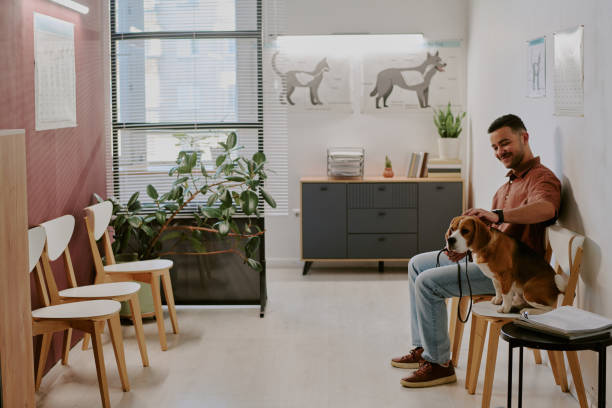
Pets can lift office morale yet they add dander hair and the odd spill. We get the daily juggle of spotless spaces and happy teams. What challenges do pets create in your workspace right now
Start with floors and fabrics since they trap fur and allergens. Regular carpet cleaning and careful floor care cut odors and stains fast. Windows need attention too since pets leave nose prints and smudges. Restroom sanitation standards help us set strong hygiene habits across the office. How often do you refresh high touch zones and soft seating?
Make Your Pet-Friendly Office Shine—Safely and Sustainably
Pets brighten the workday, but keeping the office clean for both animals and people takes care and consistency. At Summit Janitorial, we specialize in commercial cleaning that respects pet safety—from fragrance-free, low-VOC products to HEPA vacuuming, floor care, and restroom sanitation. Whether it’s removing fur from upholstery, tackling pet-related odors, or polishing nose-smudged windows, we help you maintain a fresh and hygienic space for all. Let’s create a schedule that works for your team’s flow and your furry companions. Get a quote or contact us today to build a cleaning plan that’s as thoughtful as your pet policy.
Pet-Friendly Office Cleaning Tips: What Matters Most
Pet comfort matters in every corner of a busy office. We protect animals and people with smart product choices and precise methods. What surfaces or routines feel hardest in your space right now?
The Risks of Conventional Cleaners for Pets
Strong chemicals create avoidable risks for paws, skin, and lungs. We reduce exposure on floors, fabrics, windows, and restrooms where pets sit or walk most.
- Identify phenols
- Identify quats
- Identify ammonia
- Identify bleach
- Identify high VOCs
- Identify essential oils
- Remove phenols that harm cats
- Remove quats that trigger contact irritation
- Remove ammonia that mimics urine scent and drives remarking
- Remove bleach that off-gasses chlorine and chloramines
- Remove high VOCs that inflame airways in small animals
- Remove concentrated essential oils like tea tree or eucalyptus that burden the liver
Numbers to guide safer decisions:
| Hazard or metric | Pet risk summary | Numeric cue | Source |
|---|---|---|---|
| Phenolic disinfectants | Toxic to cats by dermal or oral exposure | Avoid any phenol listed | ASPCA |
| Quaternary ammonium compounds | Skin and eye irritation in dogs and cats | Avoid DDAC BAC when possible | NLM |
| Ammonia cleaners | Respiratory irritation and remarking | Keep 0% ammonia | CDC |
| Bleach + acids | Fumes cause coughing and eye burn | Never mix compounds | CDC |
| VOC content | Airway irritation in enclosed rooms | Target < 50 g/L VOC | Green Seal GS-37 |
| pH range for daily cleaners | Lower burn and paw dryness | Aim pH 6–8 | EPA Safer Choice |
| Disinfectant dwell time | Longer wet times increase exposure | Prefer ≤ 5 min | EPA List N labels |
Do pets rest on carpets or soft seating in your office? We set product choices by the closest contact points first.
Key Criteria for Pet-Safe Products
Clear criteria help us pick safer options that still hit hygiene goals for floors, windows, and restrooms.
- Choose fragrance free
- Choose dye free
- Choose low VOC
- Choose balanced pH
- Choose safer actives
- Choose correct contact time
- Choose rinse or no residue
- Choose closed dilution
- Choose microfiber
- Favor fragrance free cleaners to reduce scent driven stress
- Favor dye free formulas to cut skin reactions
- Favor low VOC products for indoor air quality
- Favor pH 6–8 for daily floor and fabric care
- Favor hydrogen peroxide 0.5% or citric acid for broad soil removal
- Favor labels with ≤ 5 minute dwell time to shorten exposure
- Favor rinse required on food contact and pet zones to remove residue
- Favor closed loop dilution to avoid over concentrate accidents
- Favor microfiber for 99% soil pickup with plain water in high touch areas
Specification targets we apply:
| Criterion | Target value or attribute | Why it matters |
|---|---|---|
| VOC content | < 50 g/L | Supports cleaner indoor air for pets |
| pH daily cleaner | 6–8 | Safer for paws and finishes |
| Disinfectant active | 0.5% hydrogen peroxide or citric acid based | Lower residue and odor |
| Dwell time | ≤ 5 minutes | Less time wet on pet paths |
| Fragrance | None | Fewer triggers for sensitive animals |
| Colorants | None | Less chance of staining and reactions |
| Format | Ready to use or closed dilution | Cuts mix errors |
| Rinse step on pet zones | Yes where label states | Removes leftover film |
Practical moves for common office hotspots:
- Mop floors
- Spot carpets
- Polish windows
- Sanitize restrooms
- Mop floors with neutral cleaner and microfiber in 2 passes for soil then for rinse
- Spot carpets with enzyme cleaner then extract with clean water to cut odors
- Polish windows with low VOC glass cleaner to remove nose prints and smudges
- Sanitize restrooms with peroxide cleaner then rinse handles and latch areas pets touch
What pet behaviors do you see near break rooms or reception right now? We map those patterns to a safe schedule that keeps contact points clean without harsh residues.
Sources: EPA Safer Choice, Green Seal GS-37, CDC, EPA List N labels, ASPCA, National Library of Medicine.
Top Tools and Products Worth Trying
Pet-friendly office cleaning starts with safe tools and clear labels. We focus on floor care, window cleaning, and restroom sanitation to keep pets and people comfortable.
Non-Toxic Surface Cleaners
- Choose fragrance-free, dye-free, low VOC cleaners for desks, floors, and glass. EPA and veterinarians flag phenols, quats, ammonia, and chlorine bleach as pet irritants if ingested or inhaled.
- Use neutral pH 6 to 8 for daily mopping on tile, vinyl, and sealed concrete. Neutral solutions protect finishes after floor stripping, waxing, and polishing.
- Verify EPA Safer Choice or Green Seal claims on SDS sheets for conference rooms, break areas, and soft seating. Safer certifications support low residue and fewer fumes.
- Pick alcohol or hydrogen peroxide disinfectants for restroom sanitation. Follow contact times from the label to meet CDC guidance for high-touch surfaces.
- Keep microfiber cloths for glass, acrylic, and monitor surrounds. Lint-free fibers reduce pet nose smudges on interior windows.
What surface sees the most paw prints in your space
Fur and Dander Control Tools
- Use a HEPA vacuum on carpets, rugs, and entry mats. HEPA filters trap 99.97% of particles at 0.3 microns per EPA.
- Brush chair fabrics with a rubber squeegee or pet hair rake. Short strokes lift embedded hair from cubicle panels and soft seating.
- Run air purifiers with true HEPA near collaboration zones and pet beds. Clean filters on the schedule listed by the manufacturer.
- Place washable mats at entries, feeding spots, and pet rest areas. Mats capture hair and grit that spread across hard floors during traffic.
- Mist anti-static fabric spray on upholstered chairs, then vacuum. Reduced static improves hair release for faster passes.
Which areas collect the most dander by midweek
Odor Management Solutions
- Apply enzymatic cleaners on urine spots in restrooms, corridors, and near pet stations. Enzymes break down urea and proteins rather than masking scents.
- Set sealed trash liners in restrooms and break rooms with daily removal. Frequent removal supports hygiene for occupied floors.
- Use fragrance-free odor absorbers with activated charcoal near litter zones and waste bins. Charcoal captures VOCs without heavy perfumes.
- Mop hard floors with neutral solutions after accidents on vinyl and tile. Neutral products protect finishes after floor polishing.
- Ventilate with increased air exchanges in conference rooms and huddle spaces. ASHRAE and CDC guidance support more air changes for odor and aerosol reduction.
| Tool or metric | Recommended spec | Source |
|---|---|---|
| HEPA filtration | 99.97% capture at 0.3 microns | EPA |
| Cleaner pH for daily floors | 6 to 8 neutral | Facilities standards |
| Product attributes | Fragrance-free, dye-free, low VOC | EPA Safer Choice |
| Odor control media | Activated charcoal adsorption | Indoor air references |
Daily and Weekly Routines That Actually Work
Pet-friendly office cleaning tips work best when they run on a clear rhythm. We keep routines simple, repeatable, and safe for pets and people.
High-Traffic Zones and Pet Areas
We focus on entries, break rooms, and pet stations first, since dirt and dander collect fast here. What spots get the most paw traffic in your space?
- Sweep: Remove grit from entries and pet zones twice daily to cut scratches and spread.
- Vacuum: Use a HEPA vacuum on carpets and mats once daily, increase to twice during shedding season.
- Mop: Damp mop hard floors with a neutral pH cleaner daily to reduce residue and slip risk.
- Disinfect: Wipe pet bowls, crate handles, and waste bins daily with alcohol or hydrogen peroxide on hard, nonporous surfaces, per CDC guidance.
- Refill: Stock pet waste bags and lined bins daily to prevent leaks and odors.
- Inspect: Check for urine spots and treat with an enzymatic cleaner within 15 minutes to stop staining and odor set.
Sources: CDC, EPA
Desks, Keyboards, and Shared Equipment
We keep workstations clean without harsh fumes. How do teams share devices in your office?
- Dust: Lift hair and dander from monitors and desk surfaces daily with a microfiber cloth.
- Wipe: Clean keyboards, mice, and phones daily with 70% alcohol wipes, avoid oversaturation.
- Sanitize: Treat shared touchpoints like conference remotes and copier panels once daily, increase during peak use.
- Store: Keep pet treats and toys off desks to reduce crumbs that attract pests.
- Purge: Empty small desk trash daily to limit food odors that draw pets.
Sources: CDC
Floors, Rugs, and Upholstery
We target fur, dander, and oils that cling to fibers and seams.
- Vacuum: Use a HEPA vacuum on carpets, rugs, and upholstered seating 3 to 5 times per week based on pet volume.
- Extract: Spot-extract spills within 30 minutes, then rinse with clean water to reduce residue.
- Launder: Wash removable rug pads and throw covers weekly in hot water if fabric allows.
- Detail: Edge-vacuum baseboards and under sofas weekly where fur drifts.
- Polish: Clean interior glass weekly to remove nose smudges and paw prints for better light and comfort.
- Refresh: Run an air purifier with a True HEPA filter in pet zones during work hours to capture fine dander.
Sources: CDC, EPA
| Task or Spec | Number | Frequency | Source |
|---|---|---|---|
| Entry and pet-zone sweeping | 2 times | per day | CDC |
| HEPA capture efficiency | 99.97% | at 0.3 µm | EPA |
| Keyboard alcohol concentration | 70% | per use | CDC |
| Carpet and upholstery vacuuming | 3–5 times | per week | CDC |
| Spot treatment window | 15–30 minutes | after spill | CDC |
We document these steps so teams can repeat them across shifts. We adjust cadence based on pet count, shedding season, and foot traffic. What cadence fits your current office flow?
Handling Accidents and Tough Stains
Pet accidents happen even in clean offices. We act fast and use safe methods to protect pets and people. What accident types do you see most in your space?
Urine, Vomit, and Bio-Mess Protocols
- Isolate: Block the area and guide pets away from the spill zone.
- Equip: Wear gloves and eye protection for bio-mess like urine or vomit.
- Blot: Lift liquids with disposable towels. Press. Do not rub.
- Extract: Use a spot extractor on carpets and rugs. Pull moisture from the pad.
- Treat: Apply an enzymatic cleaner for urine and vomit. Cover the full spot and 2 inches around it.
- Dwell: Honor the product contact time on the label. Keep the area wet for full action.
- Rinse: Use clean water on hard floors like vinyl or tile. Mop with a neutral pH cleaner after rinse.
- Neutralize: Use a peroxide based spotter for protein stains like vomit. Test a small area first.
- Dry: Speed dry with fans. Aim for dry to touch in 60 minutes.
- Sanitize: Clean touchpoints near the mess. Focus on door handles and chair arms.
- Dispose: Seal waste in a bag. Remove from the office right away.
- Document: Log date and location. Track repeat spots in pet zones like beds and feeding areas.
We match methods to surface type. We use floor care steps like stripping, waxing, and polishing on schedule for resilient floors after repeated incidents. We follow restroom sanitation standards for bio-mess disposal and hand hygiene. We boost ventilation during cleanup in meeting rooms and open offices. Where do pets rest during the day and do accidents cluster near water bowls or entry mats?
Table: Scale of bio-mess response
| Area type | Size | Notes |
|---|---|---|
| Single workstation | 50–100 sq ft | Spot extract carpet and disinfect touchpoints |
| Open office bay | 1,000–3,000 sq ft | Zone off lanes and dry within 60 minutes |
| Large facility | 94,000 sq ft | Segment by wing and stage floor care and sanitation |
Deodorizing Without Masking Scents
- Ventilate: Open outdoor air dampers or windows where safe. Run HVAC fan for at least 30 minutes.
- Capture: Run HEPA filtration in pet zones like lounges and break areas. Clean filters per schedule.
- Absorb: Place fragrance free odor absorbers with activated charcoal near litter boxes and beds.
- Neutralize: Use enzymatic cleaners on urine tracks on carpets and grout. Reapply if odors persist after dry.
- Launder: Wash pet blankets and washable chair covers at 140°F. Dry fully before use.
- Refresh: Mop hard floors with neutral pH cleaner. Rinse residue that can trap odors.
- Detail: Clean baseboards and under desks. Pet hair and dander collect in those edges.
- Polish: Clean interior windows to remove nose prints and smudges that carry smells and oils.
- Inspect: Use a UV flashlight to find old urine spots on carpets and walls. Treat those before adding absorbers.
We avoid heavy fragrances that only hide smells. We remove the source with enzymatic action and proper rinse. We pair odor work with routine commercial cleaning for floors, windows, and restrooms to keep the office fresh for pets and people. What odor hotspots do you notice first in your office day to day?
Keeping People Comfortable and Compliant
We keep pet-friendly office cleaning practical and people centered. We balance comfort, health, and policy so teams and pets stay safe and productive.
Allergy and Sensitivity Considerations
We plan office cleaning with allergies in mind. We cut dander, hair, and odor at the source, then we verify product safety for people and pets.
- Reduce triggers with HEPA capture, fragrance free products, low VOC formulas, and neutral pH floor care. EPA and AAAAI flag fragrance and VOCs as common irritants for sensitive people and those with asthma.
- Match tools to tasks for comfort and compliance. We pair HEPA vacuums for carpets and rugs, microfiber mops for hard floors, enzymatic cleaners for urine spots, and peroxide based options for restroom sanitation.
- Ventilate pet zones after floor stripping, waxing, or polishing. We keep windows clean to support light and air movement across workstations and pet areas.
- Label and store concentrates per OSHA Hazard Communication. We keep Safety Data Sheets accessible, and we train teams to read signal words and precaution codes.
- Ask questions to set the right thresholds. What allergy triggers do your teams report, and where do pets spend most of the day.
Key data
| Topic | Data point | Source |
|---|---|---|
| Pet allergy prevalence | 10–20% of adults report pet allergies | AAAAI |
| HEPA performance | 99.97% capture at 0.3 microns | EPA |
| Low VOC benefit | Low VOC products reduce indoor irritants for sensitive groups | EPA |
Training, Signage, and Pet Policies
We build simple guardrails that support daily office cleaning and pet comfort. We document steps, then we post clear cues in the space.
- Define zones for pets, feeding, relief kits, and soft seating. Define traffic paths for walkers and carts to limit fur spread and slip risks on freshly mopped floors.
- Post signage at wet floors, restroom sanitation in progress, and window cleaning areas. Post allergen alerts at carpet extraction days and floor finish days.
- Train staff on pet safe chemistry, dilution, PPE, and spill control. Train on OSHA HCS labels, SDS use, and first aid steps for accidental exposure.
- Store cleaning agents in closed cabinets, pet treats in sealed bins, and waste in lined containers. Store leashes and relief supplies near entry points to reduce mess migration.
- Log incidents like bites, slips, urine finds, and broken glass. Log corrective actions, surface types, products used, and drying times for audit trails.
- Set pet rules that support hygiene. Set vaccination and flea control proof, leash use away from wet floors, crate use during carpet extraction, and no pets in restrooms or break room prep zones.
- Schedule floor care after hours for comfort and compliance. Schedule window cleaning and restroom deep cleans when pets are off site if odor sensitivity rises in your team.
- Invite feedback to refine routines. What signs help your team most, and what cleaning windows cause the most disruption.
Budget, Sustainability, and Vendor Choices
Pet-friendly office cleaning stays cost-smart and planet-conscious with the right plan. We align budget, safer chemistry, and vendor screening to support pets and people.
Cost-Saving Tips for Pet-Safe Cleaning
We cut spend without cutting safety, even with pets on site. What cost drivers matter most in your space, like labor, consumables, or equipment?
- Standardize dilutions
- Buy concentrates with 1:64 or 1:128 ratios to reduce cost per gallon and plastic waste
- Switch to microfiber
- Deploy color-coded cloths and flat mops to lower chemical use and boost soil removal
- Upgrade filtration
- Use HEPA vacuums that capture 99.97% of 0.3 µm particles to reduce dander recirculation
- Reduce rework
- Schedule pet-zone cleaning after hours to limit prints and smudges during cure times
- Right-size frequency
- Set tasks by traffic and pet density, like daily bowl sanitation and weekly glass polishing
- Protect floors
- Place 10–15 ft of entry matting to trap grit and cut refinishing cycles
- Track metrics
- Measure cost per 1,000 sq ft and chemical ounces per shift to spot waste
- Focus scope
- Prioritize floor care, window cleaning, and restroom sanitation for health impact
Table: Scale and scope examples
| Item | Example value | Context |
|---|---|---|
| Facility size example | 94,000 sq ft | Large multi-tenant office floor coverage |
| Entry matting length | 10–15 ft | Soil load reduction at primary entries |
| HEPA filtration efficiency | 99.97% | Capture at 0.3 µm for dander control |
| Dilution ratios | 1:64, 1:128 | Concentrate savings and lower packaging |
Eco Credentials and Third-Party Certifications
We verify safer ingredients and performance, then we align products with pet health. What certifications does your current lineup carry across floors, glass, and restrooms?
- Choose safer chemistry
- Prefer EPA Safer Choice products with full ingredient review and low VOC profiles
- Verify performance labels
- Use Green Seal or UL ECOLOGO for cleaners that meet health and environmental standards
- Confirm vacuum standards
- Select vacuums with CRI Seal of Approval and true HEPA for carpet and rug care
- Reduce fragrance load
- Pick fragrance-free and dye-free formulas to limit pet and staff sensitivities
- Audit disinfection
- Apply EPA List N disinfectants and opt for hydrogen peroxide or alcohol bases for pet zones
- Check packaging
- Source concentrates, bulk refills, and reusable sprayers to cut single-use plastic
- Validate training
- Require written SOPs for floor care, window cleaning, and restroom sanitation in pet areas
- Consider community impact
- Favor vendors that keep payroll local to support jobs and regional reinvestment
What eco claims need proof on your SDS and tech data sheets, like VOC content, pH range, or residue testing? What pet-related hotspots deserve certified products first, like feeding stations, soft seating, and entry glass?
Conclusion
A pet friendly office thrives when cleaning is thoughtful consistent and kind to all species. With clear routines smart tools and safer choices we protect health reduce disruption and keep morale high. The goal is simple a fresh welcoming workspace that never puts pets or people at risk.
Let us take the next step together. Start with a short checklist assign owners and review results weekly. Schedule tasks after hours and log what works so we can refine fast. Share feedback across teams and adjust as seasons change. If you need support we can audit products workflows and vendor fit so your cleaning plan stays effective sustainable and budget wise.
Frequently Asked Questions
What are the benefits of a pet-friendly office?
Pets can boost morale, reduce stress, and improve team bonding. They encourage breaks and movement, which can support productivity. With the right cleaning practices—like HEPA filtration, regular mopping, and odor control—you can enjoy the perks while keeping allergens and hygiene in check.
What cleaning challenges do pets create at work?
Common issues include fur, dander, hair on fabrics, paw smudges on windows, spills, and occasional accidents. These can trigger allergies and odors. A structured routine—HEPA vacuuming, spot extraction, neutral pH mopping, and restroom sanitation—helps keep surfaces safe and air fresher.
Which cleaning chemicals should we avoid around pets?
Avoid phenols, quaternary ammonium compounds (quats), ammonia, chlorine bleach, and high-VOC solvents. These can irritate airways, skin, and paws. Choose fragrance-free, dye-free, low-VOC, neutral pH products to reduce risk for both pets and people.
What makes a cleaning product pet-safe?
Look for fragrance-free, dye-free, low-VOC formulas with a balanced (neutral) pH. Check certifications like EPA Safer Choice or Green Seal. Ensure residue rinses clean, and avoid aerosols where possible. Patch-test soft surfaces and follow dwell times and label directions.
How do we manage allergens like dander and fur?
Use HEPA vacuums and air purifiers, clean intake vents, and vacuum carpets, rugs, and upholstery regularly. Damp-dust high-touch areas, mop hard floors with a neutral cleaner, and wash pet beds and blankets routinely. Keep grooming supplies and lint rollers handy.
What’s the best way to control pet odors?
Remove the source, don’t mask it. Use enzymatic cleaners on urine or bio-mess, run HEPA air purifiers, and place fragrance-free odor absorbers with activated charcoal. Increase ventilation and avoid perfume-heavy sprays that can irritate pets and sensitive staff.
How should we clean pet accidents (urine or vomit)?
Isolate the area, wear gloves, blot and extract, then treat with an enzymatic cleaner. Rinse or neutralize per label, and ensure proper drying with airflow. For porous surfaces, repeat treatment. Dispose of waste safely. Maintain ventilation and document the incident.
What daily cleaning tasks work for pet-friendly offices?
Sweep entries and pet zones, vacuum carpets and mats with a HEPA machine, mop hard floors, empty trash, disinfect pet bowls, wipe high-touch surfaces, polish obvious window smudges, and check for urine spots. Refresh soft seating and sanitize restrooms.
What should our weekly routine include?
Deep vacuum rugs and upholstery, launder pet bedding, spot-extract stains, detail mop edges, clean windows and glass partitions, descale fixtures, sanitize restrooms thoroughly, change HVAC pre-filters if needed, and audit supplies to maintain pet-safe products.
How do we keep high-touch areas hygienic without harsh fumes?
Use fragrance-free, low-VOC cleaners and alcohol or hydrogen peroxide disinfectants as appropriate. Wipe keyboards, desk surfaces, phones, door handles, and shared equipment. Follow dwell times, use microfiber cloths, and ventilate to minimize residue and odors.
What tools are most effective for pet-friendly office cleaning?
HEPA vacuums, air purifiers, microfiber mops and cloths, neutral pH surface cleaners, enzymatic spot removers, alcohol or hydrogen peroxide disinfectants, and fragrance-free odor absorbers with activated charcoal. Keep a spill kit for bio-mess and a squeegee for windows.
How should we clean windows with pet smudges?
Use a streak-free glass cleaner or diluted alcohol solution with a microfiber cloth or squeegee. Focus on lower panels where pets touch. Avoid ammonia-based products around sensitive staff and pets. Wipe frames and sills to remove dander buildup.
How do we sanitize restrooms safely for pets and people?
Use alcohol or hydrogen peroxide disinfectants, clean from high to low, and ensure proper dwell times. Focus on faucets, handles, dispensers, and floors. Keep spaces ventilated and avoid strong fragrances. Refill soap and paper regularly to support hygiene.
How can we support staff with allergies or sensitivities?
Adopt HEPA capture, fragrance-free and low-VOC products, and run air purifiers near pet zones. Create pet-free areas and clear desk policies. Schedule cleaning after hours, communicate product use, and allow feedback to adjust routines and reduce irritants.
What policies and training help keep the office clean?
Set a pet policy (vaccinations, grooming, accidents protocol), train staff on pet-safe cleaners, label dilution stations, and document routines. Schedule deeper cleaning after hours, assign zone responsibilities, and keep an incident log to ensure compliance and consistency.
How can we manage costs without compromising safety?
Standardize product dilutions, use reusable microfiber, upgrade to HEPA filters to reduce dusting, and buy concentrates. Choose EPA Safer Choice or Green Seal products that work at low doses. Audit waste, right-size dispensers, and maintain equipment for longer life.
What should we consider when selecting vendors or products?
Prioritize eco-credentials (EPA Safer Choice, Green Seal), transparent SDS, low-VOC and fragrance-free options, and local suppliers when possible. Request performance data, training support, and take-back or refill programs to reduce waste and ensure ongoing compliance.