


Sanitizing Shared Office Equipment: Best Practices for a Healthier Workplace

Seasonal Deep Cleaning Plans for Offices: Year-Round Workplace Health
September 11, 2025
Eco-Friendly Cleaning Products: A Complete Guide
October 17, 2025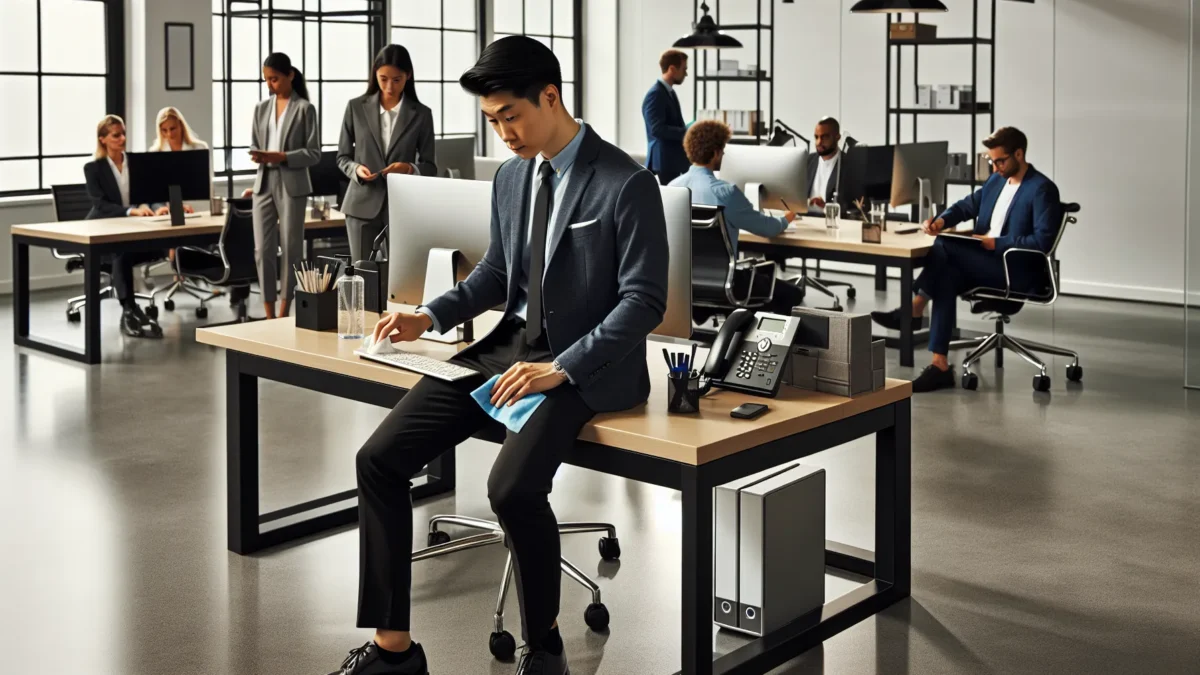
We’ve all noticed how quickly germs can make their rounds in a busy office. From keyboards to phones, many hands pass over shared tools every day. Have you ever wondered just how clean your desk area really is? Cross-contamination can happen in an instant, yet it’s easy to overlook the items we touch most often. As we focus on creating a welcoming workplace for everyone, let’s talk about straightforward steps we can all take to keep commonly used equipment truly clean. After all, who doesn’t want to feel safer, healthier, and just a bit more comfortable while at work?
Keep Shared Office Equipment Clean and Germ-Free
Protect your team’s health and comfort with Summit Janitorial. Our commercial cleaning services include expert sanitization for shared office equipment—from keyboards and phones to printers and conference tables. We use EPA-approved disinfectants and proven methods to reduce germs, boost morale, and create a safer, more welcoming workspace. Ready to keep your office spotless and healthy? Contact us today or get a quote to get started.
Why Sanitizing Shared Equipment Matters
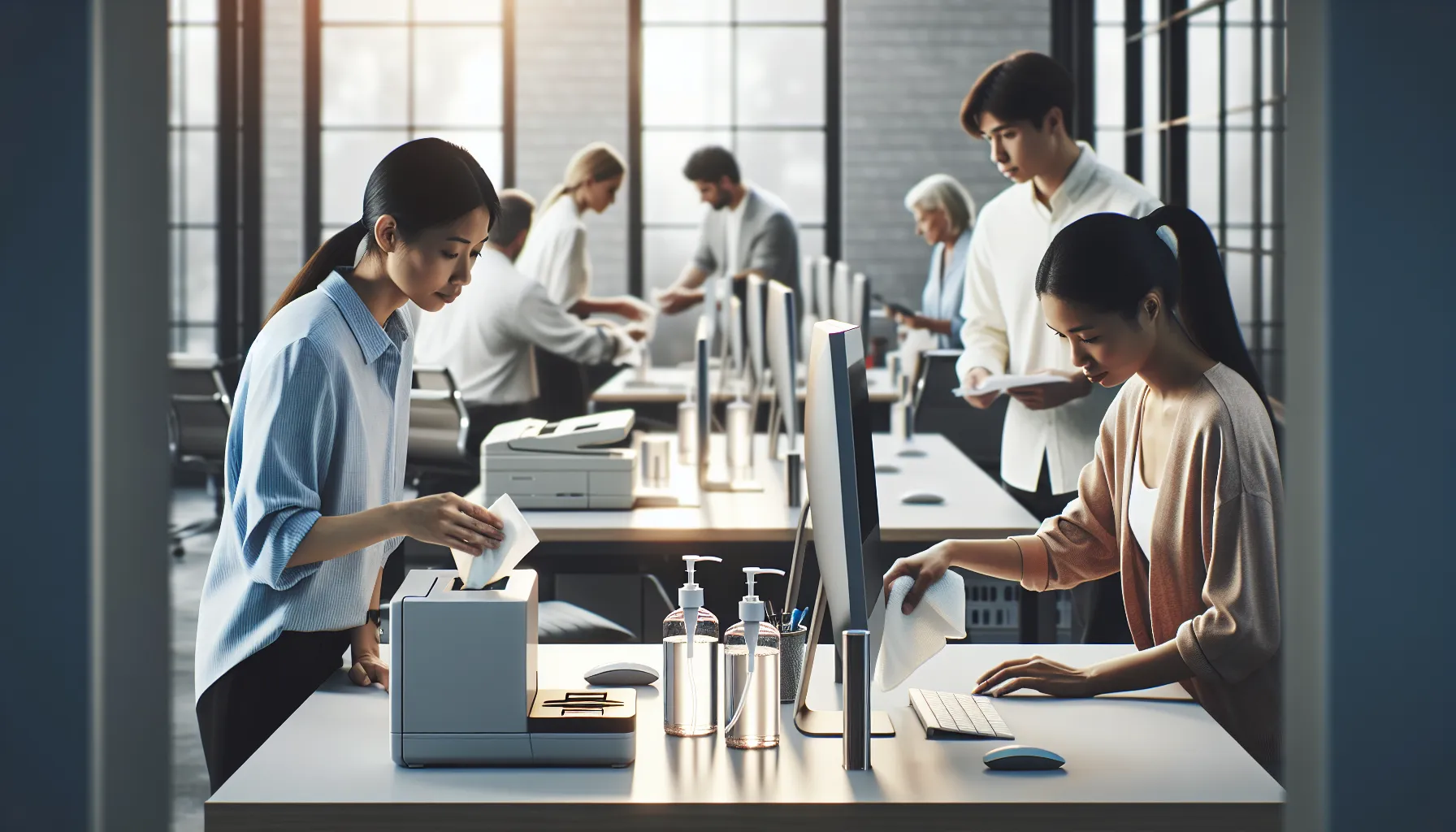
Sanitizing shared office equipment isn’t just a matter of ticking a box. The health of our teams and visitors relies on it. We know that viruses and bacteria can survive for hours, sometimes even days, on surfaces like computer mice, copiers, and shared desks. That’s a big reason cleaning needs to be part of our daily habits, not just an afterthought.
Regular sanitizing helps cut down on the spread of illnesses, think colds, the flu, and more serious viruses. This isn’t only about physical health. When we walk into a clean space, it feels more inviting. There’s a sense of comfort that everyone values, from leadership to the newest team member. Maintaining a hygienic office is also important for our reputation, especially if clients or visitors come through regularly. Wouldn’t we all prefer being remembered for professionalism rather than clutter and fingerprints?
Let’s not underestimate peace of mind either. When we work together to keep surfaces clean, it shows care for everyone in the office. It’s a simple act with a big payoff: fewer sick days, higher morale, and a workplace that feels welcoming inside and out.
Common Office Equipment That Requires Sanitization
Think about your typical workday. Which items do you and your teammates touch over and over again? There are a few high-traffic items that deserve attention:
- Keyboards and mice: These are among the most frequently handled objects. Because hands rarely get washed before use, they can harbor plenty of germs.
- Phones (desk and mobile): Whether making a quick call or checking a message, phones are magnets for bacteria.
- Copiers, printers, and fax machines: Buttons and touch screens see a constant stream of users, so daily wiping makes a difference.
- Conference room remotes and AV controls: Shared devices in meeting rooms are easy to forget but are often touched by many.
- Shared desks, tables, and counter surfaces: Break rooms and reception areas are gathering spots for germs and crumbs alike.
We shouldn’t neglect smaller items, either. Staplers, pens, and touchpads are all part of a network of commonly used office tools. By keeping a mental checklist of these frequently touched items, we can better protect ourselves and each other.
Step-By-Step Guide to Effective Sanitizing
A solid cleaning routine doesn’t need to be complicated. Here’s our recommended process for sanitizing shared office equipment:
1. Wash Your Hands First
Starting with clean hands reduces the risk of spreading germs onto surfaces during cleaning.
2. Unplug and Power Down Equipment
If you’re about to clean electronics, turn them off and unplug them. This protects both you and the equipment.
3. Use the Right Cleaner
A disinfectant wipe or spray that kills 99.9% of germs will do the trick for most equipment. Always read the manufacturer’s recommendations before spraying anything directly onto a device.
4. Clean High-Touch Areas Thoroughly
Wipe down commonly touched surfaces, buttons, handles, screens, and keyboards. Pay special attention to corners and crevices where dirt tends to collect.
5. Allow Surfaces to Air-Dry
Letting disinfected areas air-dry gives the cleaner time to work. Avoid wiping away residue before it has a chance to sanitize.
6. Wash Hands Again
Once finished, wash your hands to remove any germs you picked up along the way.
This step-by-step method makes sanitizing less of a chore and more of an easy habit.
Recommended Cleaning Supplies and Products
With so many cleaning options out there, how do we know which ones are best for the job? Here are a few practical recommendations:
- Disinfectant wipes: These are easy to use and widely available. Look for ones approved by the EPA for effectiveness against viruses.
- Microfiber cloths: Perfect for screens and delicate surfaces, they can be washed and reused. Pair with an alcohol-based cleaner for germs.
- Alcohol-based sprays (at least 70% alcohol): Safe for many electronics when applied sparingly and wiped dry.
- Disposable gloves: Useful for those with sensitive skin or for a deep clean, just remember to dispose of them properly.
- Soft brushes or compressed air: For loosening crumbs and dust from keyboards and other nooks before sanitizing.
If your workspace wants to take things up a notch, consider professional janitorial services. These specialists use approved disinfectants and detailed procedures, especially in environments needing extra care like healthcare spaces. We’ve seen how partnering with experts can dramatically boost cleanliness and boost everyone’s confidence in their safety.
Strategies for Encouraging Regular Sanitization
Building a consistent cleaning habit takes a little creativity and lots of encouragement. Here’s what works for us:
- Clear signage: Place friendly reminders near equipment (think: “Wipe before you type.”) to spark action without being overbearing.
- Easy access to supplies: Make disinfectant wipes and hand sanitizer available at every workstation. When it’s convenient, people are more likely to use them.
- Scheduled cleaning breaks: Set aside short blocks during the workday for everyone to tidy up shared spaces. When we schedule it, it becomes part of our routine, just like meetings.
- Positive reinforcement: Celebrate teams who keep their areas sparkling clean. Recognition, whether through a shout-out or a small reward, can help motivate consistent action.
- Training and updates: Brief demonstrations or refreshers on cleaning techniques go a long way, especially if new products or procedures are introduced.
By keeping it simple and encouraging, we foster a culture where everyone does their part to maintain cleanliness.
Addressing Common Challenges and Mistakes
Even with the best intentions, there can be obstacles to keeping our shared equipment clean. What are some of the usual slip-ups? Let’s look at a few, and how to avoid them:
- Skipping high-traffic items: It’s easy to remember keyboards but forget conference room remotes or copier touchscreens. Keeping a written list of priority items helps fill these gaps.
- Using the wrong cleaning products: Not all wipes and sprays are safe for electronics. Always check the manufacturer’s advice before starting, and avoid harsh chemicals that could damage surfaces.
- Inconsistent effort: Cleaning sporadically leaves room for germs to spread. Setting and sticking to a schedule creates better results.
- Neglecting personal hygiene: No matter how clean our desks, skipping handwashing can reintroduce germs quickly. Make it part of the process, both before and after cleaning.
- Not letting surfaces dry: Wiping off disinfectant too soon can limit effectiveness. Waiting the recommended time is well worth it.
Addressing these challenges openly helps everyone feel supported to do their best, and reminds us that keeping our office safe is a team effort.
Conclusion
Shared office equipment doesn’t need to be a source of worry. With regular sanitizing, a bit of know-how, and accessible supplies, we all play a part in making our workplace healthier and more welcoming. When we commit to simple habits together, we’re not just reducing the spread of germs, we’re showing respect for our colleagues and care for our own health. Let’s keep raising the bar for cleanliness in our offices, one wipe at a time.
Frequently Asked Questions About Sanitizing Shared Office Equipment
Why is sanitizing shared office equipment important?
Sanitizing shared office equipment helps reduce the spread of germs, viruses, and bacteria in the workplace, leading to fewer sick days and a healthier, more comfortable environment for employees and visitors.
What are the most commonly missed items when sanitizing shared office equipment?
Frequently missed items include conference room remotes, copier touchscreens, staplers, and pens. It’s important to keep a checklist to ensure all high-touch shared tools are cleaned regularly.
How often should shared office equipment be sanitized?
Shared office equipment should be sanitized daily, especially high-traffic items like keyboards, phones, and printer buttons. More frequent cleaning may be necessary during flu season or in high-occupancy offices.
What is the best way to sanitize electronics such as keyboards and phones?
Power down and unplug devices, then use EPA-approved disinfectant wipes or sprays with at least 70% alcohol. Avoid spraying liquids directly onto electronics and allow surfaces to air-dry for maximum effectiveness.
Can poor sanitizing habits affect office morale and reputation?
Yes, neglecting to sanitize shared equipment can lead to increased illness, lower morale, and a negative impression on clients or visitors. Consistent cleaning practices support a positive workplace image and employee well-being.
Are there professional services available for sanitizing office equipment?
Yes, professional janitorial services can be hired to ensure thorough cleaning and disinfection of shared office equipment, particularly in environments that require higher standards of hygiene.