


Pandemic-Ready Cleaning Procedures for Safer Public Spaces

Disinfection Protocols for Shared Workspaces: Safety Guide
July 17, 2025
Compliance Cleaning Standards for FDA Facilities: cGMP SOPs
August 25, 2025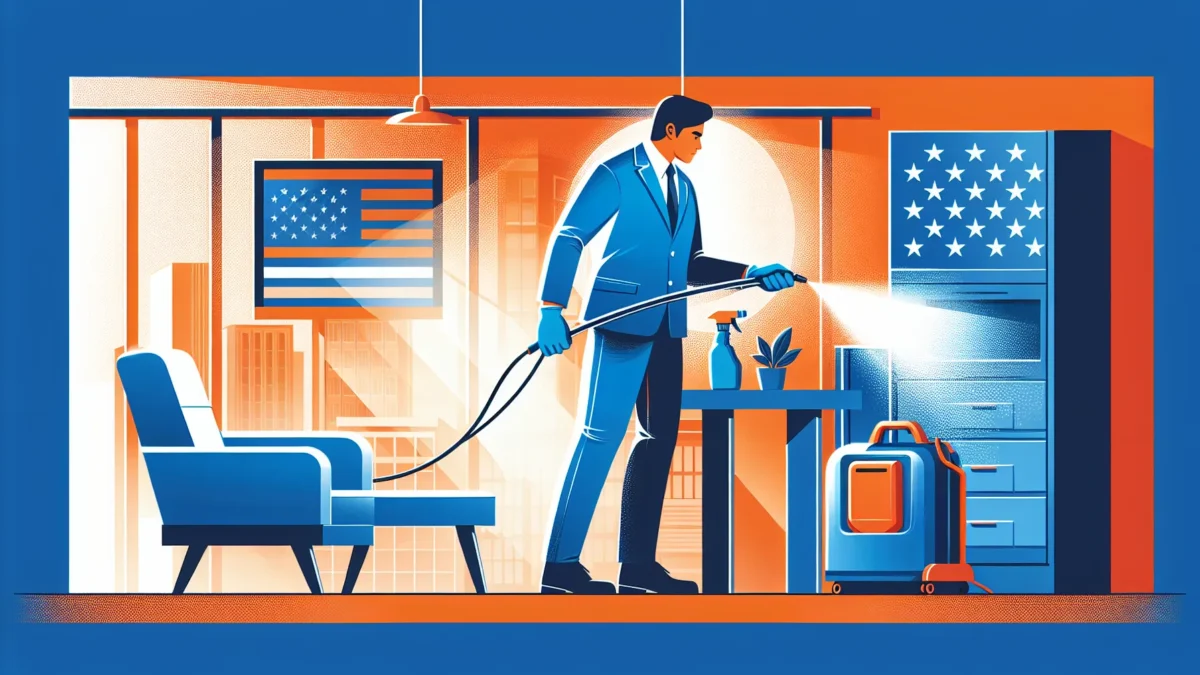
The global pandemic has reshaped how we think about cleanliness and hygiene. Spaces that once required routine cleaning now demand more thorough and consistent measures to protect health and safety. Have you ever wondered if your cleaning practices are truly meeting these heightened standards?
We understand the challenges of maintaining a clean environment while addressing new health concerns. From disinfecting high-touch surfaces to creating safer shared spaces, adopting advanced cleaning procedures is essential. How prepared are your spaces to handle these evolving expectations?
By focusing on proactive measures and adapting to higher sanitation needs, we can create environments that feel safer and more welcoming for everyone. Let’s explore how thoughtful cleaning practices can make a meaningful difference.
Elevate Your Cleaning Standards with Proven Pandemic-Ready Solutions
Health and safety are more important than ever, and Summit Janitorial is here to help your facility meet today’s higher expectations. Our commercial cleaning services are built for resilience—featuring pandemic-ready protocols like high-touch surface disinfection, air quality support, and advanced technologies including electrostatic spraying. Whether you manage an office, school, or medical space, our trained professionals deliver peace of mind through consistent, expert sanitation. Want to ensure your space is truly prepared? Get a quote or contact us today.
Understanding Pandemic-Ready Cleaning Procedures
Pandemic-ready cleaning practices address heightened cleanliness and sanitation needs during global health challenges. These procedures prioritize creating safer environments for everyone.
What Are Pandemic-Ready Cleaning Procedures?
Pandemic-ready cleaning procedures refer to enhanced methods focusing on sanitation and disinfection. These practices target high-touch surfaces, such as doorknobs, elevator buttons, and desks, using effective disinfectants known to combat pathogens. They incorporate techniques like electrostatic spraying and UV-light disinfection to enhance coverage in harder-to-reach areas. Regular cleaning schedules are increased, and staff follow strict protocols to reduce cross-contamination risks. How do these steps influence your daily or work settings?
Importance Of Pandemic-Ready Cleaning In Public Spaces
Public spaces face high levels of foot traffic, increasing the chances of germs spreading quickly. Pandemic-ready cleaning is essential to limit potential outbreaks and foster trust among visitors. An effective cleaning plan combines frequent sanitation, air quality improvements through ventilation systems, and proper waste disposal. High-traffic areas like restrooms and lobbies require special attention to uphold health standards. Do your current protocols address these concerns in shared environments?
Key Components Of Pandemic-Ready Cleaning Procedures
Building confidence in a safe environment requires strategic cleaning procedures. These steps focus on detailed sanitation, proper product use, and maintaining healthy air quality.
High-Touch Surface Cleaning
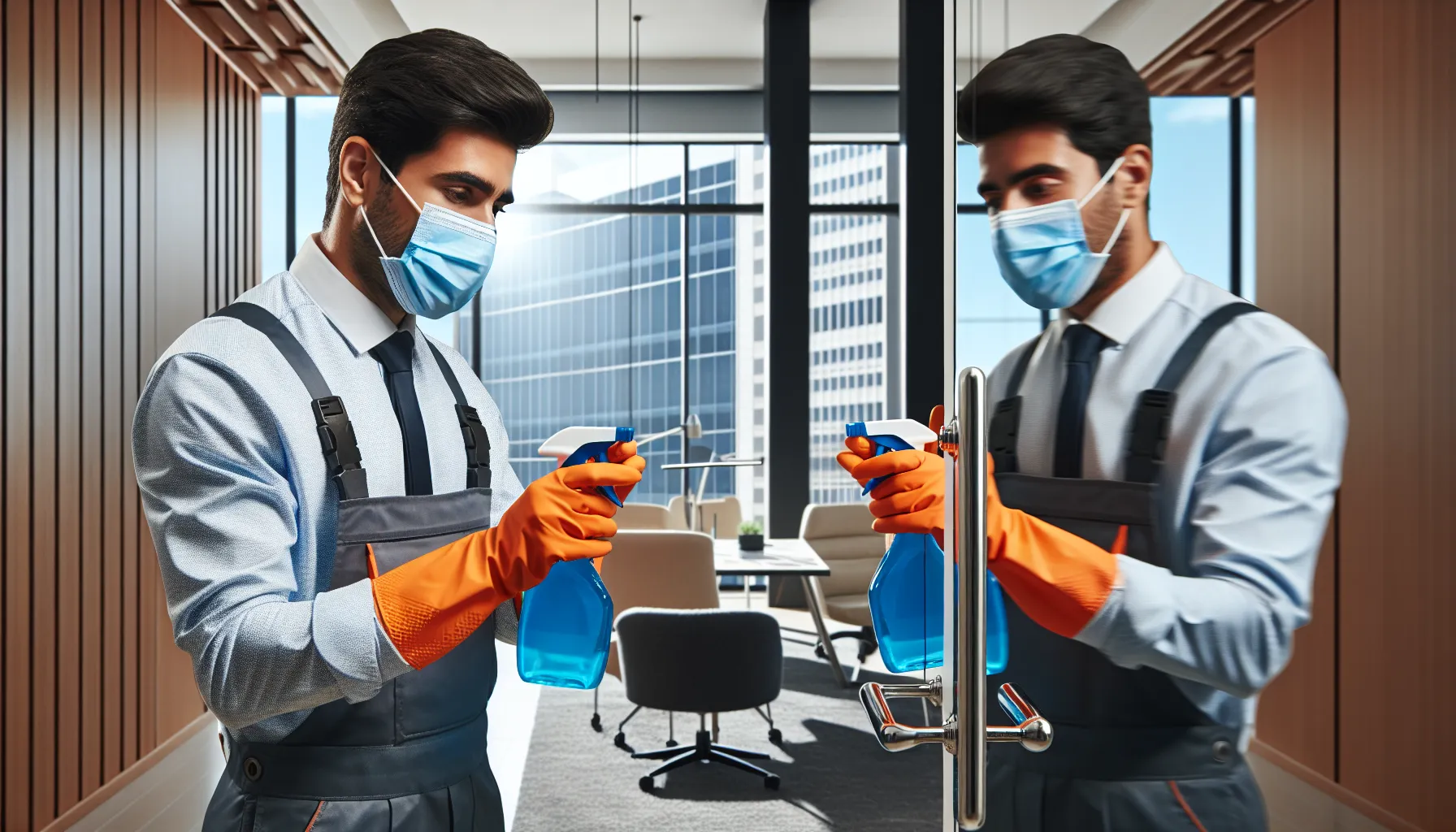
Frequent cleaning of high-touch surfaces strengthens health safety efforts. Commonly touched spots include door handles, elevator buttons, and light switches. These areas collect germs quickly and increase their spread if overlooked. Consistent schedules for sanitizing these surfaces can help reduce infection risks. What high-touch areas could benefit from extra attention in your space?
Proper Use Of Disinfectants
Using disinfectants correctly helps achieve effective results. Beyond choosing EPA-approved products, it’s important to follow specific guidelines, such as proper dilution and surface contact time. Misuse can reduce disinfectant effectiveness or even pose health risks. Have you reviewed the instructions for your cleaning products recently?
Ventilation And Air Quality Management
Good air circulation reduces airborne germs. Effective practices include maintaining HVAC systems, using HEPA filters, and keeping spaces ventilated with fresh air. These measures help improve indoor air safety, especially in crowded or enclosed areas. What steps could improve the airflow in your spaces?
Best Practices For Implementing Pandemic-Ready Cleaning
Effective pandemic-ready cleaning builds trust and promotes health and safety in shared spaces. By refining methods and adapting to changing needs, we can support cleaner environments where people feel protected.
Training Staff And Building Awareness
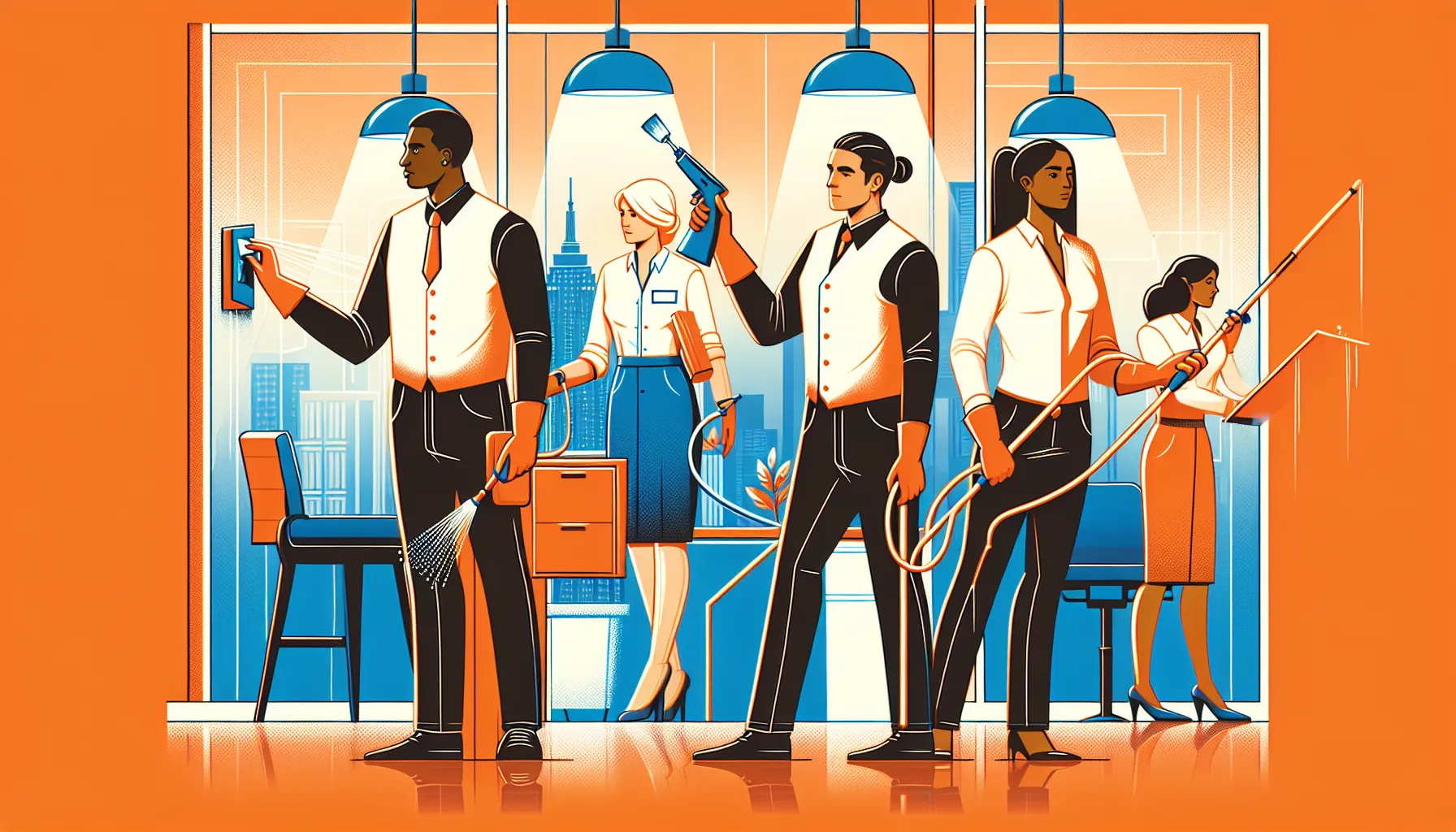
Educating cleaning teams is critical for consistent and thorough sanitation. Staff should be trained on sanitizing procedures, disinfection techniques, and proper use of cleaning agents. Regular workshops and refresher sessions help maintain a high standard of expertise. How familiar is your team with disinfection protocols? Providing clear guidelines ensures everyone understands their role in health-focused cleaning.
Raising awareness extends beyond staff. Educating occupants or visitors about safety measures reinforces shared accountability. Displaying visible signs about cleaning schedules and promoting hand hygiene practices can enhance confidence in your space’s safety.
Frequency Of Cleaning And Monitoring Practices
Increasing the frequency of cleaning is essential during health crises. High-touch surfaces like doorknobs, light switches, and elevator buttons should be disinfected multiple times daily. Can current cleaning routines handle the traffic and activities in your space? Adopting a schedule that aligns with use levels helps address possible infection risks effectively.
Monitoring cleaning outcomes is equally important. Using checklists or digital tracking tools can help maintain accuracy and track completed tasks. Routine inspections ensure standards are met and any overlooked areas are addressed immediately.
Use Of Advanced Cleaning Technologies
Advanced technologies elevate cleaning efficiency and coverage. Electrostatic sprayers distribute disinfectant evenly on surfaces, reducing missed spots. UV-light disinfection kills microbes in high-traffic zones, especially in healthcare or public facilities. Are these technologies part of your current approach? Investing in innovation improves results, boosting health protection.
Air quality systems also contribute to safer indoor environments. Upgrading HVAC systems and using HEPA filters remove airborne particles and pathogens. Combined with surface sanitation, these steps create a cleaner, safer atmosphere suitable for today’s needs.
Challenges And Considerations
Effective pandemic-ready cleaning comes with several obstacles that require thoughtful solutions. By addressing these challenges, we can create cleaner, safer environments while maintaining efficiency and budget balance.
Addressing Supply Chain Issues
Supply chain disruptions can limit access to essential cleaning supplies, such as disinfectants and disposable gloves. How can we minimize the impact of these shortages? Planning ahead is crucial. Stockpiling critical items and identifying multiple suppliers can reduce reliance on a single source. Using versatile products that cover multiple cleaning needs helps manage inventory more effectively. Clear communication with suppliers can also provide early updates about potential delays or alternatives.
Balancing Costs With Effectiveness
Some enhanced cleaning methods can strain budgets, especially during extended health crises. What strategies can help maintain high standards without overspending? Opting for quality-over-quantity approaches increases cost efficiency. For example, purchasing concentrated disinfectants saves on long-term costs by yielding more applications. Investing in durable cleaning tools minimizes frequent replacements. Tracking usage patterns also identifies areas where adjustments can lower expenses without sacrificing sanitation quality.
Adapting To Evolving Health Guidelines
Changing public health recommendations can complicate cleaning protocols. How can we stay compliant while maintaining practical operations? Proactive staff training ensures teams are always equipped with relevant skills. Regular updates to checklists keep procedures aligned with new standards. Engaging with reputable sources, such as health organizations, helps us access reliable, timely information. Flexibility in our approach enables quick adjustments to cleaning plans when guidelines shift.
The Future Of Pandemic-Ready Cleaning Procedures
The demand for advanced cleaning protocols is reshaping how we approach hygiene across industries. Evolving expectations call for innovative methods to protect public health and create safer environments.
Innovations In Cleaning Practices
New developments in cleaning technologies are making sanitation more effective and efficient. Electrostatic sprayers, for example, deliver disinfectant evenly across surfaces, providing better coverage in less time. Similarly, UV-light disinfection systems actively target harmful pathogens without harsh chemicals. These tools help maintain cleanliness in high-traffic areas like offices and healthcare facilities.
Data-driven systems also play a role in monitoring cleaning efficiency. Smart sensors can track space usage and identify high-touch areas needing attention. Incorporating this technology optimizes cleaning schedules, minimizing unnecessary effort while addressing critical zones.
Long-Term Adoption In Various Sectors
Many industries now prioritize sanitation in ways that were previously overlooked. In healthcare facilities, daily disinfection of patient rooms and equipment is non-negotiable. Retail spaces and public transportation hubs increasingly focus on visible cleaning practices, reassuring customers and passengers of their safety.
Education and office spaces rely on regular disinfection of desks, common areas, and ventilation systems to limit germ transmission. These practices, once associated with temporary crises, are becoming the new standard for maintaining healthier environments. How can these sectors strike a balance between thoroughness and practicality while adhering to these methods?
Conclusion
Pandemic-ready cleaning procedures are no longer optional; they’re essential for safeguarding health and fostering trust in shared spaces. By embracing advanced technologies, prioritizing high-touch areas, and ensuring proper staff training, we can meet the evolving demands of hygiene and sanitation.
These enhanced practices not only reduce infection risks but also set a higher standard for cleanliness across industries. As we continue to navigate changing health landscapes, consistent and proactive cleaning efforts will remain key to creating safer, more welcoming environments for everyone.
Frequently Asked Questions
1. What are pandemic-ready cleaning procedures?
Pandemic-ready cleaning procedures are enhanced cleaning and disinfection methods designed to reduce the spread of germs during a global health crisis. They focus on frequent sanitation of high-touch surfaces, proper disinfectant use, and advanced technologies like UV-light disinfection and electrostatic sprayers.
2. Why is frequent cleaning of high-touch surfaces important?
High-touch surfaces, such as door handles and elevator buttons, are hotspots for germ transmission. Frequent cleaning reduces the risk of infections, ensuring safer shared spaces, especially in high-traffic environments.
3. How do advanced cleaning technologies improve sanitation?
Technologies like electrostatic sprayers and UV-light disinfection ensure better coverage and efficiency in killing germs. These tools make cleaning faster and more effective, particularly in large or busy areas.
4. What role does air quality play in pandemic-ready cleaning?
Maintaining good air quality is essential for reducing airborne contaminants. This involves proper ventilation, regular HVAC maintenance, and using HEPA filters to enhance indoor air safety.
5. How can staff be prepared for pandemic-ready cleaning?
Staff training is crucial for effective cleaning. Regular sessions should focus on proper product usage, disinfecting techniques, and adherence to evolving health guidelines.
6. What are some common challenges in pandemic cleaning?
Challenges include supply chain disruptions, balancing costs with effectiveness, and keeping up with evolving health protocols. Stockpiling supplies and prioritizing quality over quantity can help address these issues.
7. What industries benefit most from pandemic-ready cleaning?
Industries like healthcare, retail, education, and public transportation benefit significantly as they need to maintain high hygiene standards in high-traffic and shared spaces.
8. How can cleaning outcomes be monitored effectively?
Using checklists, regular inspections, and data-driven tools like smart sensors can help track cleaning efficiency and ensure high sanitation standards.
9. What are the future trends in pandemic-ready cleaning?
Innovations like data-driven cleaning systems, smart sensors, and visible cleaning practices are shaping the future of sanitation. These methods boost efficiency and reassure users of health and safety.
10. Can pandemic-ready cleaning be budget-friendly?
Yes, by using versatile cleaning products, efficient technologies, and focusing on high-impact areas, organizations can maintain effectiveness while managing costs.