


Disinfection Protocols for Shared Workspaces: Safety Guide

Cleaning Compliance for Healthcare Facilities: Best Practices
July 17, 2025
Pandemic-Ready Cleaning Procedures for Safer Public Spaces
July 17, 2025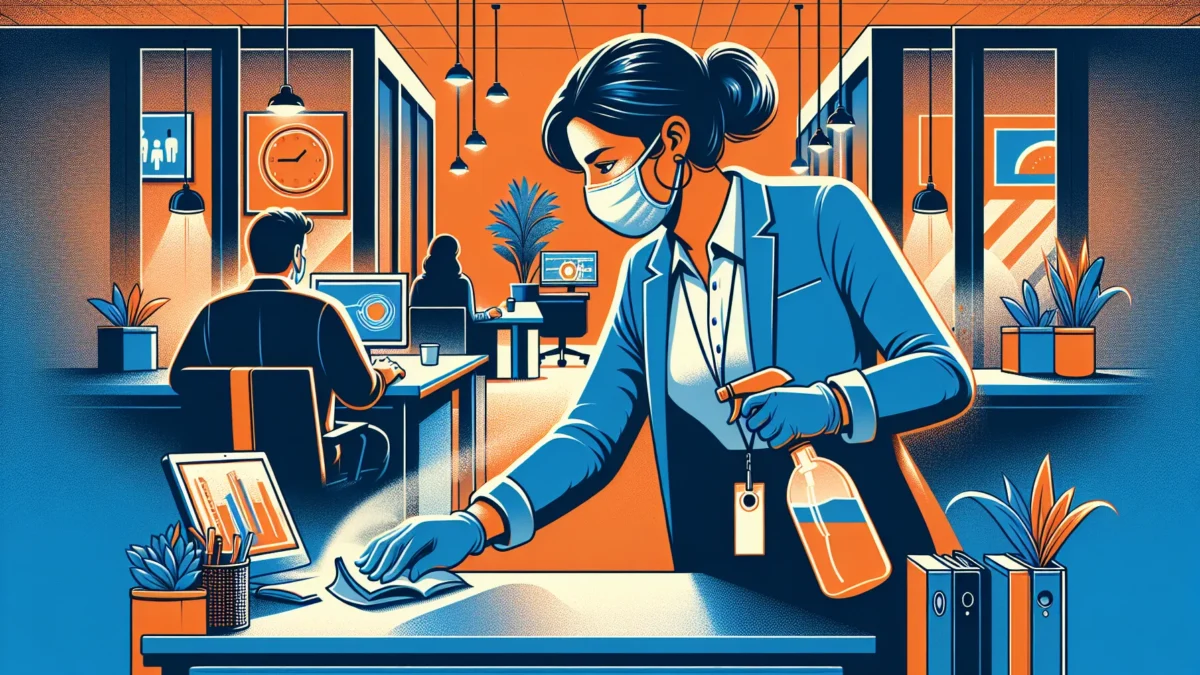
Shared workspaces bring people together, fostering collaboration and creativity. But with so many individuals using the same areas daily, keeping these spaces clean and safe is essential. Germs can spread quickly in high-traffic environments, making proper disinfection practices more important than ever.
How do we create a workspace that feels both productive and protected? It starts with consistent and effective disinfection protocols. By focusing on high-touch surfaces and common areas, we can reduce the risk of illness while promoting a healthier environment for everyone.
A clean workspace isn’t just about appearance—it’s about creating a space where people feel comfortable and cared for. Let’s explore practical steps to maintain cleanliness and protect the well-being of those who share these vital spaces.
Protect Shared Workspaces with Proactive Disinfection Solutions
Shared offices deserve more than just a tidy appearance—they need consistent disinfection to keep everyone healthy and productive. At Summit Janitorial, we specialize in commercial cleaning that targets high-touch surfaces, improves indoor air quality, and meets evolving hygiene standards. Whether it’s desks, restrooms, or common areas, our expert team creates safer environments using EPA-approved products and smart scheduling strategies. Want peace of mind that your workspace is truly clean? Get a quote or contact us to get started today.
Importance Of Disinfection Protocols For Shared Workspaces
Shared workspaces see frequent use by multiple individuals throughout the day. This constant activity increases the risk of germ transmission, making disinfection a critical process for maintaining a healthy environment. Without proper protocols, illnesses can spread quickly, reducing productivity and impacting well-being.
High-touch surfaces, such as doorknobs, desks, and keyboards, act as hotspots for germs. Regular and thorough cleaning of these areas limits the chances of contamination. Are disinfection practices part of your daily routine? If not, implementing them can significantly reduce the spread of harmful pathogens.
Air quality also plays a role in workplace hygiene. Contaminants in the air settle on shared surfaces, creating more opportunities for germ transfer. Using cleaning methods that consider airborne particles creates a healthier indoor atmosphere for everyone.
Restroom cleanliness remains a top concern in shared spaces. Deep sanitation of these facilities helps protect users from germs that thrive in damp, high-traffic areas. Is your restroom cleaning program addressing these risks effectively?
Disinfection protocols go beyond cleaning visible debris. They target bacteria and viruses that aren’t always seen but can cause harm. Consistent practices reassure employees and visitors that their health is a priority, fostering trust and confidence within the workspace.
Would your current cleaning measures meet health and safety standards? Reviewing and adapting your approach ensures comprehensive coverage of all risk zones within shared work areas.
Key Elements Of Effective Disinfection Protocols

Effective disinfection protocols create safer shared workspaces by focusing on clear, actionable steps. They prioritize the health of every individual using the space. What should disinfection guidelines include to promote maximum safety and trust?
Cleaning Versus Disinfection
Cleaning removes dirt and debris from surfaces, while disinfection kills harmful germs and bacteria. While both processes are essential, they serve different purposes in workspace hygiene. Cleaning prepares surfaces for disinfection, allowing disinfectants to work effectively. Are your surfaces being properly cleaned before disinfection takes place?
Choosing The Right Disinfectants
Choosing disinfectants with EPA-approved active ingredients targets specific germs and viruses effectively. Reading labels helps identify products suitable for high-touch surfaces like keyboards, desks, and phones. Disinfectants with shorter dwell times may optimize workflow without compromising germ control. Which products align best with your workspace’s needs?
Frequency Of Disinfection
Frequent disinfection of high-contact areas reduces germ buildup and lowers infection risks. Think about door handles or shared equipment that multiple people touch daily. Establishing schedules, such as daily deep cleaning for desks and weekly restroom sanitation, keeps contamination under control. Are the most used surfaces cleaned often enough in your workspace?
Strategies For Implementing Disinfection Protocols
Disinfection protocols in shared workspaces address both health and comfort. Effective strategies focus on high-touch surfaces, structured scheduling, and employee involvement to keep environments safe and welcoming.
High-Touch Surface Areas To Prioritize
High-touch surfaces accumulate germs quickly. These include desks, keyboards, doorknobs, light switches, and shared devices like printers. By disinfecting these areas regularly, we reduce the risk of contamination. What surfaces in your workspace see the most use? Identifying these spots helps target high-risk areas efficiently.
Creating A Disinfection Schedule
A clear schedule supports consistent cleaning practices. High-use areas might need daily attention, while less-used spots can follow a weekly plan. For example, desks and common tables benefit from nightly disinfection, while breakroom appliances and restrooms might require deep cleaning twice a week. Have you considered the frequency needed for different areas in your workspace? Structured plans minimize overlooked zones.
Educating Employees On Protocols
Involving employees strengthens protocol implementation. Clear instructions on using disinfectant sprays, wipes, and hand sanitizers build engagement. Hosting brief training sessions or providing easy-to-follow guides can make protocols simple and approachable. Do your staff understand the vital role they play in maintaining cleanliness? Awareness fosters shared responsibility.
Technology And Innovations In Disinfection
Advancements in cleaning technology have transformed how we approach workspace hygiene. Incorporating innovative tools and methods can enhance disinfection efforts, creating safer and healthier environments.
Automation And Disinfection Devices
Automated systems, such as UV-C light devices and electrostatic sprayers, provide effective solutions for disinfecting large areas quickly. UV-C devices emit short-wavelength ultraviolet light to destroy bacteria and viruses on surfaces and in the air. Electrostatic sprayers dispense disinfectants in fine, charged droplets that uniformly cover high-contact areas like desks and door handles. These technologies minimize manual effort while increasing cleaning precision. Have you considered how automation could address challenges in your workspace disinfection?
Touchless disinfection devices add a layer of safety by reducing physical contact. Examples include automatic hand sanitizing stations and self-cleaning door handles with antimicrobial coatings. Integrating these devices into common spaces, such as lobbies and meeting rooms, can limit contamination risks.
Eco-Friendly Disinfection Options
Sustainable cleaning products are gaining attention for reducing environmental impact without compromising safety. Plant-based disinfectants, free from harsh chemicals like chlorine and ammonia, offer a non-toxic option for cleaning shared spaces. Using biodegradable formulas also helps reduce chemical residues on surfaces, making them safer for frequent human contact.
Steam cleaning provides another eco-conscious method. High-pressure steam effectively sanitizes surfaces, eliminating microorganisms without the need for chemical agents. This method is particularly effective for upholstered furniture and carpeting often found in break rooms and lounge areas. Are there opportunities to incorporate these greener options into your disinfection routine?
Reusable cleaning tools, such as microfiber cloths, support sustainable practices. These cloths trap dirt and bacteria more effectively than disposable alternatives, reducing waste over time. Prioritizing eco-friendly solutions demonstrates a commitment to health and environmental responsibility, fostering confidence among workspace users.
Challenges And Solutions In Maintaining Disinfection Protocols
Keeping shared workspaces disinfected involves managing various challenges while addressing health and safety concerns. Tackling these obstacles requires practical approaches to create safer environments.
Overcoming Compliance Issues
Meeting recommended disinfection standards often feels overwhelming, particularly in spaces with high traffic or diverse usage. Guidelines might seem unclear or too rigid, leaving room for inconsistencies in adherence. We focus on simplifying these protocols by breaking them into manageable steps. Are the responsibilities clear for everyone involved?
Training helps bridge these gaps. Regular workshops or concise instructions ensure employees understand both the how and the why behind disinfection. Visual cues, like checklists or posters near high-touch areas, provide quick reminders. Communication remains key—how can we support team members to make these protocols an ongoing part of their routine?
Balancing Cost And Effectiveness
Allocating resources for disinfection can strain budgets, especially when balancing quality and cost effectiveness. High-quality products or advanced cleaning tools might appear unattainable for some. However, adopting smarter purchasing strategies reduces unnecessary expenses.
Bulk procurement of EPA-approved disinfectants or using multi-purpose products decreases waste and cost. Reusable materials like microfiber cloths lower the need for constant replacements. Could shifting towards scheduled cleanings, based on traffic patterns, optimize spending without compromising cleanliness?
Investing thoughtfully in tools, like touchless devices, addresses both budget concerns and health priorities. Introducing such solutions often lessens the frequency of manual cleaning, saving time and resources in the long run. What simple adjustments can make a significant difference in your workspace?
Conclusion
Maintaining effective disinfection protocols in shared workspaces is essential for creating a safe, healthy, and welcoming environment. By prioritizing high-touch areas, leveraging innovative cleaning technologies, and incorporating eco-friendly practices, we can protect everyone who uses these spaces.
A well-structured approach that includes employee education, clear guidelines, and sustainable solutions ensures both health and efficiency. When we commit to consistent and thoughtful disinfection efforts, we foster trust, boost productivity, and demonstrate our dedication to well-being and environmental responsibility.
Frequently Asked Questions
1. Why is disinfection important in shared workspaces?
Disinfection is crucial in shared workspaces to prevent the spread of germs and bacteria on high-touch surfaces. It reduces the risk of illness, promotes a healthier environment, and ensures the comfort and safety of employees and visitors.
2. What are high-touch surfaces, and why focus on them?
High-touch surfaces, like doorknobs, desks, and keyboards, have frequent physical contact, making them hotspots for germs. Prioritizing their disinfection lowers the risk of germ transmission significantly.
3. How often should shared workspaces be disinfected?
High-touch surfaces should ideally be disinfected daily. Restrooms and other high-traffic areas may require more frequent cleaning schedules, such as weekly deep cleaning.
4. What is the difference between cleaning and disinfection?
Cleaning removes dirt, debris, and visible impurities from surfaces. Disinfection, on the other hand, kills harmful germs and bacteria on surfaces, going beyond cleaning for improved hygiene and safety.
5. What should I look for in a disinfectant?
Choose EPA-approved disinfectants with active ingredients that target common pathogens. Multi-purpose and eco-friendly disinfectants can provide sustainable, effective solutions.
6. How can employees support disinfection protocols?
Training employees about proper disinfection methods and providing clear instructions and reminders ensure active involvement. Encourage participation through regular education and visual reminders.
7. Are there eco-friendly disinfection options available?
Yes! Plant-based disinfectants, steam cleaning, and reusable tools like microfiber cloths are eco-friendly options. These reduce chemical use and support sustainable practices while maintaining effectiveness.
8. What technologies can enhance disinfection efforts?
Advanced technologies like UV-C light devices and electrostatic sprayers can disinfect large areas efficiently. Touchless devices, such as automatic sanitizing stations, further minimize contamination risks.
9. How do I balance cost and effectiveness in cleaning?
Invest in bulk purchasing of EPA-approved products and use multi-purpose disinfectants. Touchless devices and reusable cleaning tools can save costs while ensuring health standards are met.
10. What are the common challenges in maintaining disinfection?
Compliance and cost management are common challenges. Simplify guidelines, train employees, use effective communication, and establish structured schedules to ensure consistent disinfection across workspaces.