


Cleaning Compliance for Healthcare Facilities: Best Practices

Day Porter Services for Offices: Keep Your Workplace Spotless
July 17, 2025
Disinfection Protocols for Shared Workspaces: Safety Guide
July 17, 2025
Maintaining cleanliness in healthcare facilities isn’t just about appearances—it’s about protecting lives. With strict regulations and high stakes, creating a clean and safe environment is critical to patient care and overall health outcomes. But how do we meet these rigorous standards while addressing the specific needs of such sensitive spaces?
From sanitized restrooms to spotless floors, every corner of a healthcare facility plays a role in infection control. The challenge lies in balancing thorough cleaning practices with efficiency, all while adhering to compliance requirements. Are we doing enough to keep these spaces as safe as they need to be?
Let’s explore how proper cleaning practices and compliance standards come together to safeguard patients, staff, and visitors. Whether it’s routine maintenance or specialized sanitation, every effort counts in creating a healthier and safer environment.
Protect Patient Health with Compliant, Professional Cleaning
Healthcare facilities demand the highest standards of cleanliness, and Summit Janitorial is equipped to deliver. Our expert commercial cleaning services prioritize infection control, regulatory compliance, and patient safety at every step. With trained staff, EPA-approved products, and customizable protocols, we help you meet OSHA, CDC, and local standards while maintaining a sanitary, welcoming environment for patients and staff alike. Ready to safeguard your facility with proven cleaning solutions? Get a quote or contact us today.
Importance Of Cleaning Compliance For Healthcare Facilities
Adhering to cleaning standards in healthcare environments safeguards patient health and prevents infection outbreaks. Regulatory compliance isn’t just about meeting guidelines; it directly impacts the well-being of patients, staff, and visitors. These facilities face heightened risks due to constant exposure to pathogens, making stringent cleaning protocols critical.
How do we minimize hazards in spaces where lives are at stake? Proper sanitation practices reduce cross-contamination, lower healthcare-acquired infection (HAI) rates, and create a safer environment. Studies show that effective cleaning can decrease infection rates by up to 30%, illustrating its role as a protective measure.
Disinfection protocols address high-touch areas like door handles, bed rails, and medical equipment where bacteria easily spread. Regular monitoring and documentation of cleaning processes help maintain compliance while identifying areas for improvement. This attention to detail reinforces trust in the facility’s commitment to health and safety.
Have you ever considered the long-term effects of neglecting proper cleaning standards? Non-compliance risks ranging from penalties to reputational damage can arise. More importantly, lapses in cleanliness compromise care quality, potentially costing lives. Consistently meeting sanitation requirements demonstrates a commitment to prioritizing health in these critical spaces.
Key Regulations And Standards
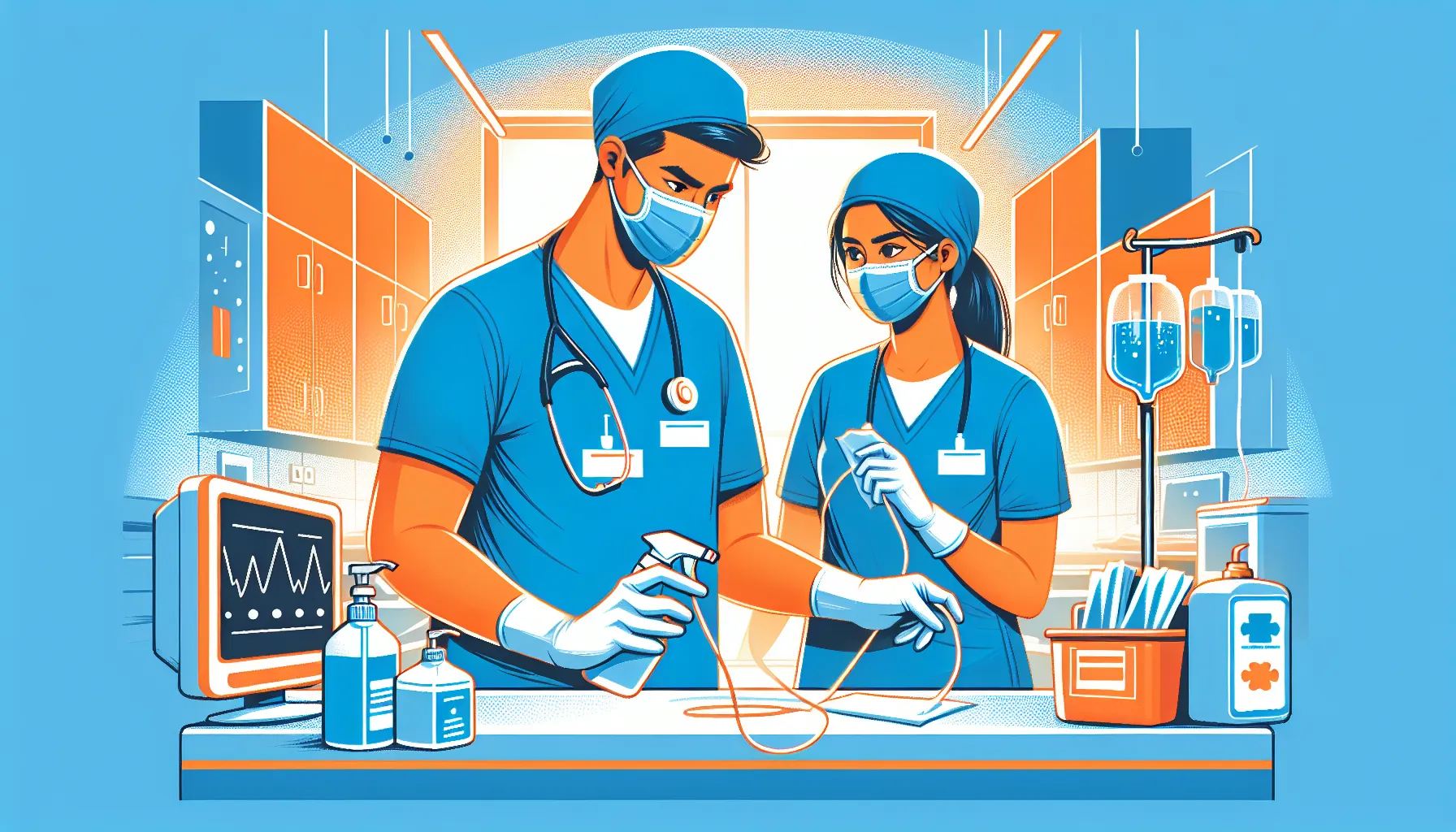
Healthcare facilities operate under stringent cleanliness standards to protect patients, staff, and visitors. Compliance with these regulations minimizes infection risks and promotes a safe environment. What are the critical rules guiding these practices?
OSHA Guidelines
The Occupational Safety and Health Administration (OSHA) mandates protocols to maintain cleanliness and safety. These include handling hazardous materials, proper waste disposal, and the use of personal protective equipment (PPE). Facilities must train employees on bloodborne pathogens to minimize exposure risks. Are your staff consistently following these procedures?
CDC Recommendations
The Centers for Disease Control and Prevention (CDC) provides cleaning guidelines to prevent infections. Recommendations cover disinfection techniques for high-touch surfaces and proper handling of contaminated laundry. Emphasizing routine cleaning and sterilization helps reduce healthcare-associated infections (HAIs). How closely do your protocols align with these standards?
State And Local Regulations
State and local authorities often impose additional cleaning requirements for healthcare facilities. These regulations address specific community hazards and may include stricter disinfection practices or detailed cleaning logs. Staying informed about local mandates avoids non-compliance and its consequences. Do you regularly review these requirements?
Challenges In Ensuring Cleaning Compliance
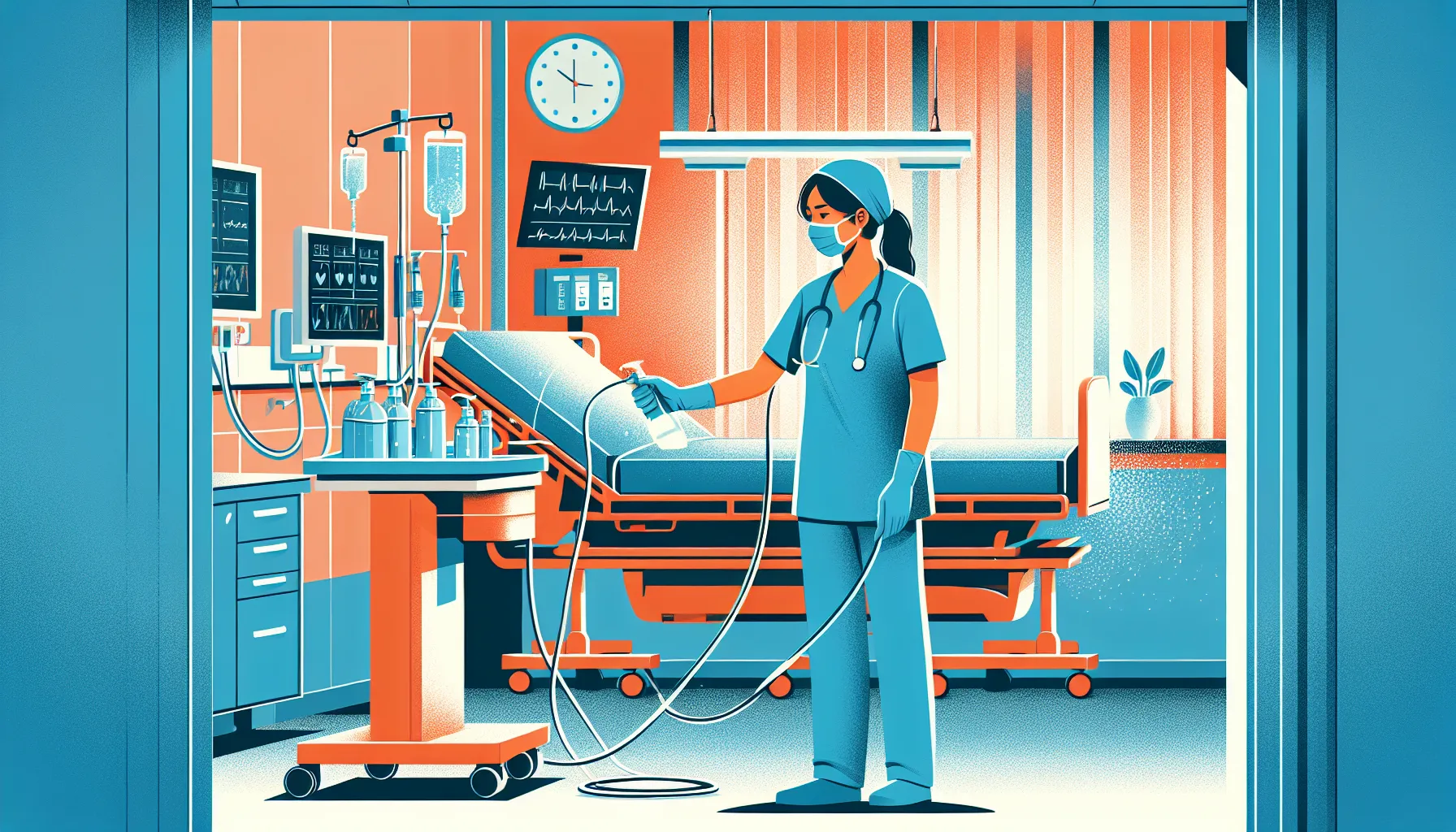
Maintaining cleaning compliance in healthcare facilities presents multiple obstacles. These environments require stringent cleaning practices to protect patients, staff, and visitors, yet meeting these standards can be a complex process.
Common Issues Faced By Healthcare Facilities
Healthcare facilities often struggle with high pathogen exposure, creating a persistent risk of infection. High-touch surfaces, such as doorknobs and bed rails, are particularly prone to contamination. Are cleaning schedules frequent enough to prevent health risks in these areas?
Training gaps among cleaning staff can lead to inconsistent disinfectant application. Without proper education on protocols, some employees may unknowingly skip vital steps. Do all team members fully understand compliance guidelines and the importance of their role?
Limited resources can hinder effective practice. Budget constraints may reduce access to quality cleaning products or tools. Staff shortages may stretch employees too thin to maintain optimal standards. How can facilities balance financial limitations with safety priorities?
Keeping up with changing regulations requires constant awareness. National, local, and even state guidelines set by federal agencies and health organizations evolve regularly. Are facilities allocating enough time to monitor updates and adjust processes accordingly?
Impact Of Non-Compliance
Failing to meet cleaning standards impacts safety and operational reputation. Studies reveal that insufficient cleaning contributes to higher rates of healthcare-acquired infections (HAIs), which affect 1 in 31 hospital patients daily in the US. Could stronger compliance reduce these preventable infections?
Non-compliance can lead to steep financial penalties and legal consequences. Poor audit results may jeopardize accreditation or funding. Would such risks outweigh the costs associated with detailed compliance efforts?
Reputational harm is another outcome. Public trust diminishes when facility hygiene is questioned, deterring potential patients. Can healthcare centers afford to compromise their standing?
Every facility must prioritize creating a clean, safe environment. Recognizing and addressing these challenges is essential to maintaining compliance in any healthcare setting.
Best Practices For Achieving Cleaning Compliance
Healthcare settings demand rigorous cleaning practices to protect patient safety and meet regulatory standards. Adopting clear strategies helps facilities reduce risks and maintain compliance effectively.
Staff Training And Education
Educating cleaning staff on protocols and hygiene practices strengthens compliance efforts. Training should address proper disinfection techniques, safety precautions, and identifying high-risk areas like patient rooms and restrooms. For example, regular workshops on CDC cleaning guidelines can help staff stay updated.
Are staff members aware of the latest cleaning technologies or the proper use of personal protective equipment (PPE)? Providing hands-on demonstrations and accessible resources fosters confidence and consistency in their work.
Regular Audits And Inspections
Conducting frequent inspections identifies compliance gaps before they become issues. Scheduled audits monitor adherence to cleaning checklists and gauge service quality. Addressing overlooked areas, such as under equipment or corners of flooring, ensures thoroughness.
Do we evaluate cleaning records and adjust protocols based on findings? Creating feedback loops allows real-time changes that align with inspection results, driving better outcomes.
Use Of Approved Cleaning Products And Equipment
Using EPA-certified cleaning products and industry-standard equipment eliminates pathogens effectively. Products should target bacteria and viruses common in healthcare environments. Multipurpose disinfectants streamline processes but choosing surface-specific solutions, like those designed for floors or glass, enhances outcomes.
Are staff using tools that improve efficiency without compromising results? For instance, color-coded microfiber cloths reduce cross-contamination, while HEPA-filter vacuums improve air quality. Proper storage and routine maintenance of equipment extend performance and maintain reliability.
The Role Of Technology In Cleaning Compliance
Technology plays an essential part in improving cleaning standards in healthcare facilities. By integrating advanced tools, we can simplify compliance and strengthen protocols effectively.
Automation And Monitoring Systems
Automated systems help streamline cleaning processes and improve accuracy. For example, touchless disinfection devices effectively sanitize surfaces without manual labor, reducing human error. Monitoring tools track cleaning tasks in real time, ensuring no area is overlooked. Software solutions can create digital schedules and send alerts for routine or high-risk cleanings, keeping each task on track.
How do you currently verify that every surface has been cleaned? UV markers and ATP monitoring systems allow us to validate cleanliness scientifically, providing measurable results. These tools, combined with automated tracking, offer a transparent record of cleaning activity.
Benefits Of Data-Driven Compliance
Data collection empowers management to make informed decisions. Sensors in smart equipment log cleaning duration, frequency, and intensity, helping identify gaps or potential risks. With detailed records, we can provide evidence of adherence to cleaning regulations during inspections.
Predictive analytics derived from cleaning data enhance resource allocation. For instance, high-traffic zones requiring frequent sanitization can be identified, preventing contamination. How could understanding task patterns improve efficiency in your facility? Advanced insights allow us to implement more effective and targeted cleaning strategies.
By adopting technology-driven solutions, we’re setting a confident path toward maintaining safer healthcare environments.
Conclusion
Maintaining cleaning compliance in healthcare facilities is a critical responsibility that directly impacts patient safety and overall care quality. By prioritizing proper sanitation practices, adhering to regulations, and leveraging advanced technologies, we can create safer environments for everyone who enters these spaces.
The commitment to cleanliness isn’t just about meeting standards; it’s about fostering trust and ensuring the well-being of patients, staff, and visitors. Let’s continue to embrace best practices, invest in education, and adopt innovative solutions to uphold the highest levels of safety and compliance in healthcare settings.
Frequently Asked Questions
Why is cleanliness crucial in healthcare facilities?
Cleanliness in healthcare facilities is essential to prevent the spread of infections, safeguard patient health, and ensure the safety of staff and visitors. It plays a critical role in reducing healthcare-acquired infections (HAIs) and meeting regulatory compliance standards.
What are healthcare-acquired infections (HAIs) and how can they be prevented?
HAIs are infections patients acquire during medical care. They can be prevented through proper cleaning and disinfection protocols, focusing on high-touch surfaces, and adhering to compliance standards recommended by organizations like the CDC.
What are the consequences of non-compliance with cleaning standards in healthcare?
Non-compliance can lead to increased infection rates, financial penalties, legal risks, reputational damage, and compromised care quality. It also jeopardizes the health and safety of patients and staff, making compliance a top priority.
What role do regulations play in healthcare cleaning practices?
Regulations like OSHA guidelines and CDC recommendations outline protocols for safe waste disposal, disinfection, and the use of personal protective equipment (PPE). Adhering to these standards reduces infections and ensures patient and staff safety.
How can healthcare facilities ensure cleaning compliance?
Facilities can ensure compliance through staff training, regular cleaning audits, adoption of EPA-certified cleaning products, proper documentation, and staying informed about evolving regulations. Comprehensive protocols and proper resource allocation are also key.
What challenges do healthcare facilities face regarding cleaning compliance?
Challenges include high pathogen exposure, limited resources, insufficient staff training, and keeping up with regulatory updates. Overcoming these hurdles requires prioritizing education, technology, and continuous assessments.
Why is staff training important in maintaining cleaning standards?
Proper training ensures cleaning staff understand hygiene practices, protocols, and the use of cleaning technologies. Educated staff can effectively reduce infection risks and maintain compliance.
What role does technology play in improving cleaning compliance?
Technology, such as touchless disinfection devices and real-time monitoring systems, improves efficiency and accuracy in cleaning processes. Data-driven insights from these tools help facilities maintain higher cleanliness standards.
How often should healthcare facilities perform cleaning audits?
Regular audits, ideally monthly or quarterly, help identify compliance gaps and ensure thorough cleaning. Frequent audits also maintain regulatory adherence and promote continuous improvement in sanitation practices.
What are some best practices for disinfection in healthcare settings?
Focus on high-touch areas, use EPA-approved disinfectants, follow CDC guidelines, ensure proper waste disposal, and monitor cleaning procedures. Combining these practices enhances sanitation and reduces infection risks.