


Janitorial Training Program Standards: Ensuring Quality and Safety

Facility Cleaning Risk Assessment Checklist: Ensure Safety & Cleanliness
September 11, 2025
Post-Construction Cleaning Services for Businesses: Complete Guide
September 11, 2025
Clean spaces don’t just happen—they’re the result of dedicated teams who know exactly what they’re doing. That’s why strong janitorial training program standards matter so much. We all want to walk into buildings that look spotless and feel safe, but have you ever wondered what goes into preparing cleaning professionals for this important work?
Our expectations are higher than ever, especially when it comes to hygiene and safety. Effective training programs help staff feel confident and motivated, which leads to better results for everyone. How do we make sure these programs set people up for success? Let’s explore what makes a janitorial training program truly effective and why it matters to us all.
Elevate Your Cleaning Standards with Expert Training
Empower your cleaning staff and boost service quality by partnering with Summit Janitorial. Our comprehensive commercial cleaning training programs follow industry-leading standards to enhance safety, consistency, and client satisfaction. We focus on building confident, well-equipped teams who understand proper cleaning techniques, safety protocols, and customer care, ensuring every space is maintained to the highest level. Ready to invest in a skilled team that delivers spotless, reliable results every time? Contact us today or get a quote to get started.
Understanding Janitorial Training Program Standards
Janitorial training program standards set clear expectations for quality and safety in cleaning services. These standards help us create repeatable methods that lead to consistent results for clients every day. They help each team member know exactly what’s expected so no detail is overlooked on any shift.
Accredited standards from leading industry groups focus on health, sanitation, safety, and ethical conduct. We use these benchmarks to design training that builds competence, accountability, and pride in our work. For example, training covers how to clean different surfaces safely, use equipment properly, and handle chemicals correctly. What challenges have you faced in keeping cleaning routines consistent and effective?
Ongoing assessments are part of any strong janitorial training program. Regular skill checks and refresher sessions help each cleaner stay sharp and updated on best practices. Does your current cleaning routine include ongoing opportunities for feedback and growth?
Quality checks are another key piece of standardization. By measuring results against set guidelines, we spot training needs quickly and make improvements that matter. This approach leads to fewer complaints and better outcomes for every property. How important is reliable service to your building’s daily operation?
Transparent standards in training also build trust with clients. When each professional follows the same guidelines, we create a safe, hygienic space that meets today’s expectations for cleanliness. Do you feel more comfortable working with teams that are open about their skill-building and performance review processes?
Key Components of Effective Janitorial Training
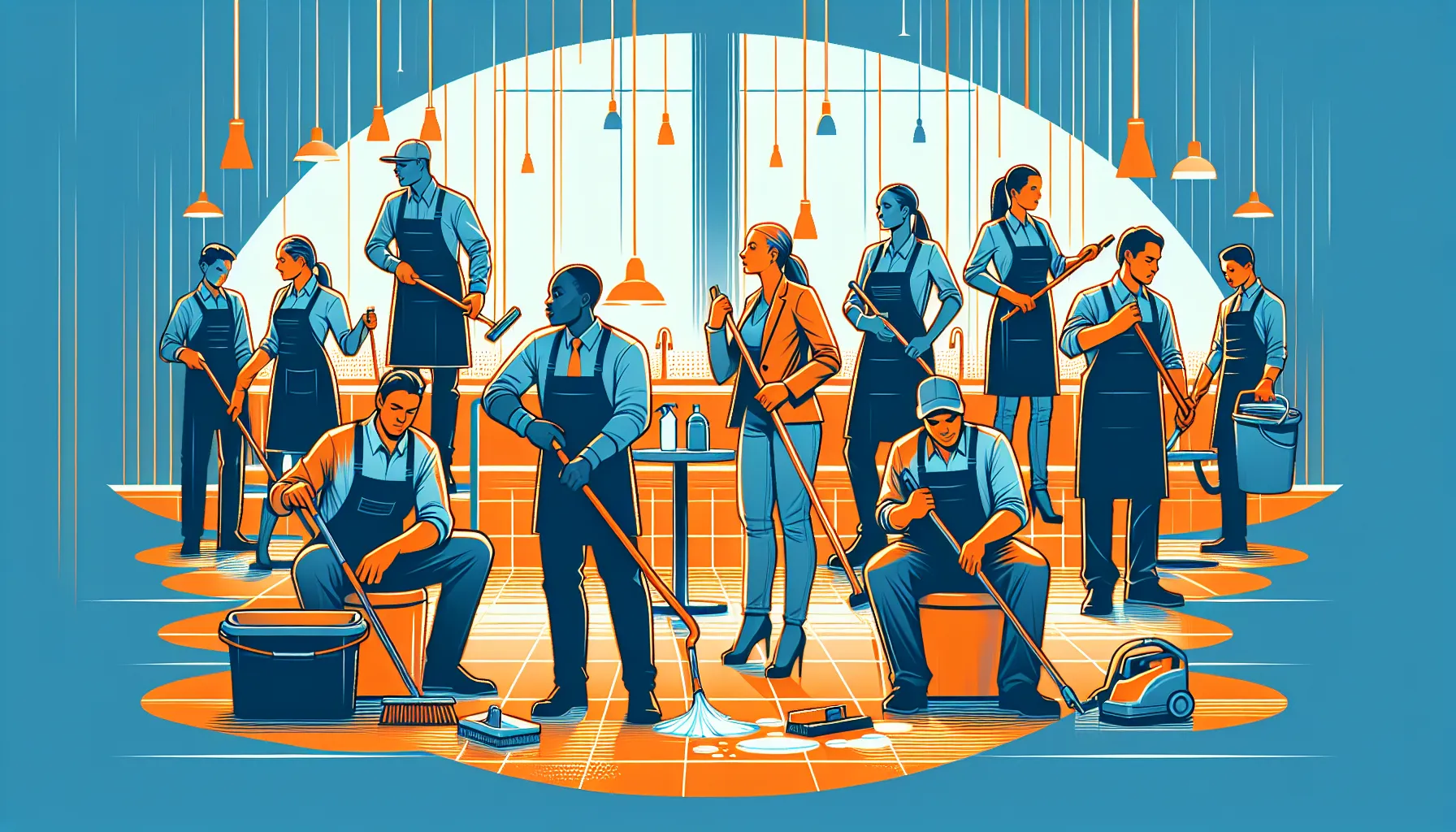
A strong janitorial training program covers practical cleaning methods, safety knowledge, and client service. Think about your daily operations—how often do skill gaps impact cleaning quality or safety? These core areas create consistency across teams and give everyone the confidence to handle challenges.
Core Cleaning Techniques
Training on core cleaning techniques forms the foundation of effective service. Staff learn how to clean surfaces like floors and windows, including how to handle carpet care, waxing, and restroom sanitation. Practical sessions help reinforce these methods. For example, staff might practice removing tough stains from high-traffic areas or applying polish evenly to tile surfaces. Consistency in technique leads to a cleaner environment each day.
Safety and Compliance Procedures
Clear procedures around safety and compliance are a must for any training program. Cleaning involves chemicals and equipment that carry risks. Our teams study how to read labels, wear personal protective gear, and store substances safely. Routine checks and reminders keep safety front of mind. Has your staff ever faced uncertainty with new products or materials? Ongoing education reduces risk and builds a culture of vigilance.
Customer Service Skills
Excellent janitorial work depends on positive client relationships. Training in customer service covers friendly communication, handling feedback, and respecting client spaces. Teams practice responding to requests and adapting cleaning routines as needed. Why do some teams form better relationships with clients? Consistency in staff assignments and open interaction help foster trust year after year. Each interaction offers a chance to build credibility and satisfaction.
Setting Benchmarks for Training Program Quality
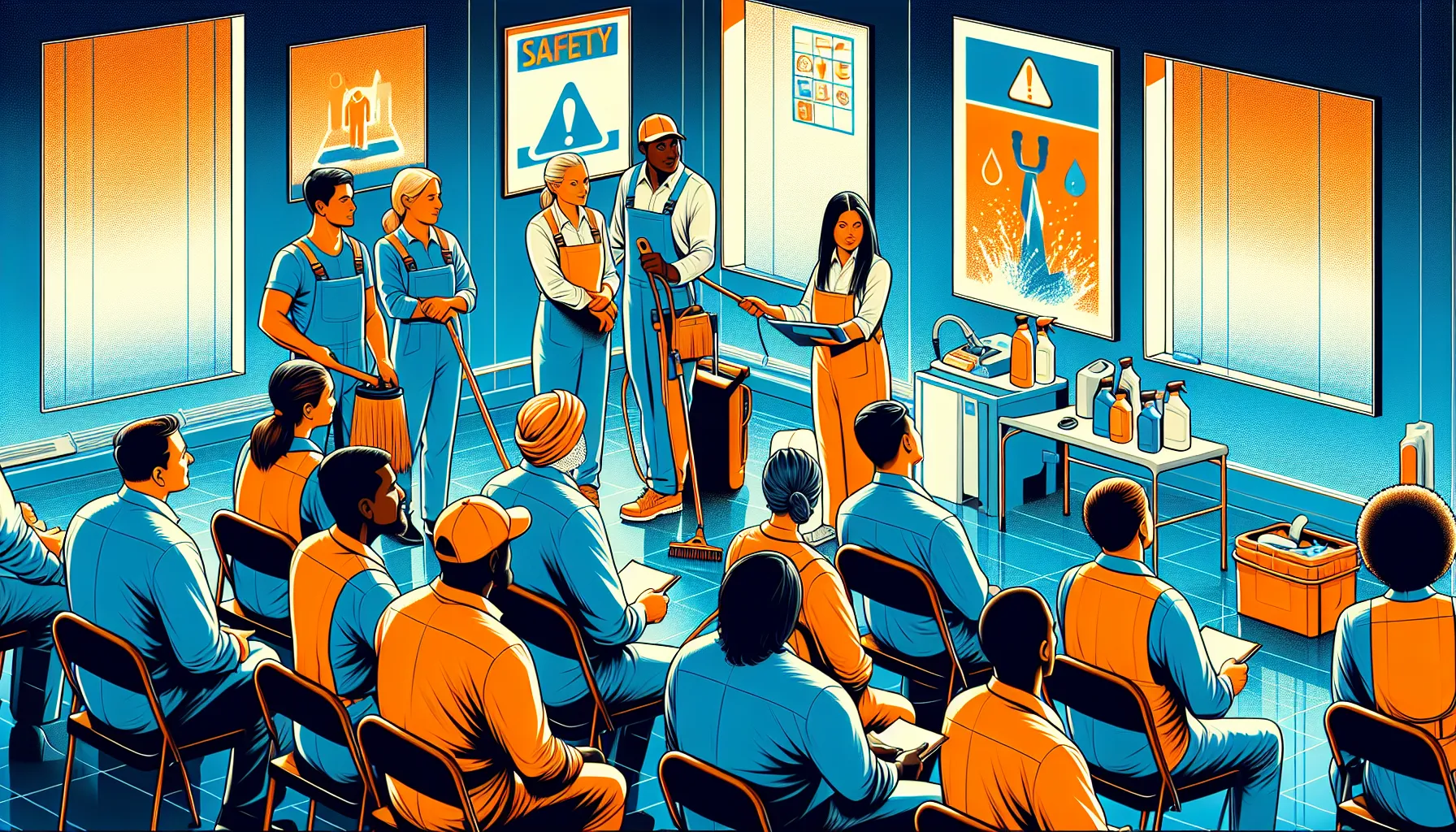
Establishing strong benchmarks for janitorial training programs helps us deliver consistent, high-quality cleaning services. These benchmarks guide us in maintaining safety, quality, and reliability, so everyone feels confident in what we do. Have you ever wondered how training standards translate to clean, secure spaces day after day?
Certification and Accreditation Requirements
Certification and accreditation set clear requirements for janitorial training success. Industry-recognized certificates, such as those from cleaning or safety organizations, show that our team meets strict health and safety guidelines. Accredited training covers fundamental skills like using equipment safely and handling chemicals correctly. We use this structure to give staff a clear path to professional development. Certifications also signal to clients that every cleaner has proven knowledge and skills. How important is formal certification to your peace of mind?
Ongoing Training and Evaluation
Ongoing training and regular evaluation help improve the results we deliver. Our team receives refresher training to maintain skills and stay updated on new techniques or safety rules. Evaluations give us the chance to address areas for improvement and celebrate achievements. By making learning continuous, our cleaners remain alert and informed—ready to meet clients’ changing needs. Are you interested in seeing how ongoing training shapes cleaning standards over time?
Benefits of Adhering to Janitorial Training Program Standards
Adhering to established janitorial training program standards brings concrete value to cleaning teams and the spaces they serve. Let’s explore how these standards support safer, cleaner environments and higher satisfaction for both staff and clients. How might clear training protocols shift the way your team feels about their daily work?
Improved Workplace Safety
Meeting janitorial training standards makes work safer for everyone. Staff members learn to identify hazards with greater accuracy, from chemical labeling in storage rooms to keeping equipment in proper working order. When everyone uses safe handling techniques and wears protective gear as instructed, workplace accidents become less frequent. According to the Occupational Safety and Health Administration (OSHA), businesses see injury rates drop by up to 40% after implementing structured safety training programs. Would you feel more confident knowing your team could handle safety concerns on the spot?
Enhanced Service Quality
Following training standards directly improves service quality. Employees practice reliable cleaning methods, know how to clean specialized floor types, and deliver spotless windows and sanitized restrooms each time. Consistent service leads to fewer missed tasks and higher cleanliness scores, making a positive impression on anyone entering the facility. Regular refresher courses and skill checks keep everyone performing their best. How important is it for your space to consistently reflect the standards you promise clients or visitors?
Conclusion
When we invest in robust janitorial training program standards we’re not just meeting industry requirements—we’re building a foundation for excellence. These standards help us deliver safer environments and foster lasting trust with our clients.
Staying committed to ongoing training and quality benchmarks ensures our teams are always equipped to handle new challenges. With the right training in place we can confidently promise clean healthy spaces that exceed expectations every time.
Frequently Asked Questions
What is janitorial training and why is it important?
Janitorial training teaches cleaning staff proper techniques, equipment use, and safety protocols. It’s vital because it ensures consistent cleaning quality, boosts staff confidence, and helps meet safety and hygiene standards.
What are the key elements of an effective janitorial training program?
Effective programs cover practical cleaning methods, safety procedures, equipment handling, chemical management, and customer service skills. Ongoing training and assessment are also crucial for maintaining high standards.
How do training standards impact janitorial services?
Clear standards set expectations for quality and safety, help create repeatable cleaning methods, and hold team members accountable. This leads to more consistent and reliable cleaning results.
What types of certifications are available for janitorial staff?
There are industry-recognized certifications that demonstrate staff have met specific health and safety guidelines. These may include general cleaning certification, chemical handling, or specialized surface care certifications.
Why are ongoing training and assessments important for janitorial teams?
Ongoing education and regular evaluations ensure staff stay updated on the latest techniques, adapt to new safety rules, and keep delivering high-quality, safe cleaning services.
What are the main benefits of adhering to janitorial training standards?
Adhering to standards improves workplace safety, reduces accidents, ensures consistent cleaning results, and increases satisfaction for both clients and cleaning staff.
How do janitorial training programs improve client satisfaction?
Well-trained staff consistently meet cleanliness expectations, communicate better with clients, and build trust through professionalism and reliable service delivery.
What role does customer service play in janitorial training?
Customer service skills help staff build positive relationships with clients, respond to concerns quickly, and maintain open communication, all of which increase client satisfaction.