


Office Cleaning for Allergy Reduction: Tips for a Healthier Workplace

Dust Control Solutions for Warehouses: Keep Your Facility Clean
September 11, 2025
Disposal of Hazardous Cleaning Materials: Safe and Legal Methods
September 11, 2025
Allergies can make even the most inviting office feel uncomfortable. Many of us spend hours at our desks, only to notice sneezing, itchy eyes, or headaches that seem to appear out of nowhere. Have you ever wondered if your office environment might be making your symptoms worse?
We understand how frustrating it is to work in a space that triggers allergies. Dust, pollen, and even lingering cleaning chemicals can build up on floors, carpets, and shared surfaces. What steps can we take to create a cleaner, healthier workplace where everyone can breathe easier?
Let’s explore how thoughtful office cleaning routines can help reduce allergens and support well-being for everyone on the team.
Create a Healthier, Allergy-Friendly Office with Summit Janitorial
Is your office triggering allergy symptoms like sneezing, itchy eyes, or headaches? Summit Janitorial offers professional cleaning services designed to reduce allergens in your workplace. From HEPA-filter vacuuming and hypoallergenic products to proper ventilation strategies and microfiber dusting, we create cleaner environments that support your team’s health and productivity. Breathe easier and help your employees stay focused and comfortable throughout the day. Get a quote or contact us today to start building a low-allergen office cleaning plan.
The Importance of Office Cleaning for Allergy Reduction
Office cleaning directly affects allergy levels in workspaces. Dust mites, pet dander, pollen, and mold build up on surfaces, floors, and carpets. Regular cleaning routines remove these particles, helping us breathe easier throughout the day. Have you noticed sneezing fits or itchy eyes at your desk? These symptoms often signal allergen exposure right where we work.
Vacuuming carpets and rugs with HEPA filters traps pollen and dust before they recirculate. Wiping hard surfaces with microfiber cloths removes particles without pushing them into the air. Using fragrance-free, hypoallergenic products decreases the risk of chemical sensitivities.
Air quality improves as we clean windows, sanitize high-touch areas like desks and phones, and pay attention to ventilation. Clean restrooms and common areas keep bacteria, mold spores, and moisture at bay, reducing triggers for those sensitive to allergens. Would employees feel more comfortable and less distracted if irritation levels dropped?
Developing a cleaning routine that addresses floors, windows, restrooms, and high-traffic zones builds a welcoming atmosphere where everyone can focus. Caring about these details means fewer sick days and higher productivity, especially for team members dealing with allergies year-round. Which areas in your office need the most attention to support everyone’s well-being?
Common Allergens Found in Office Spaces
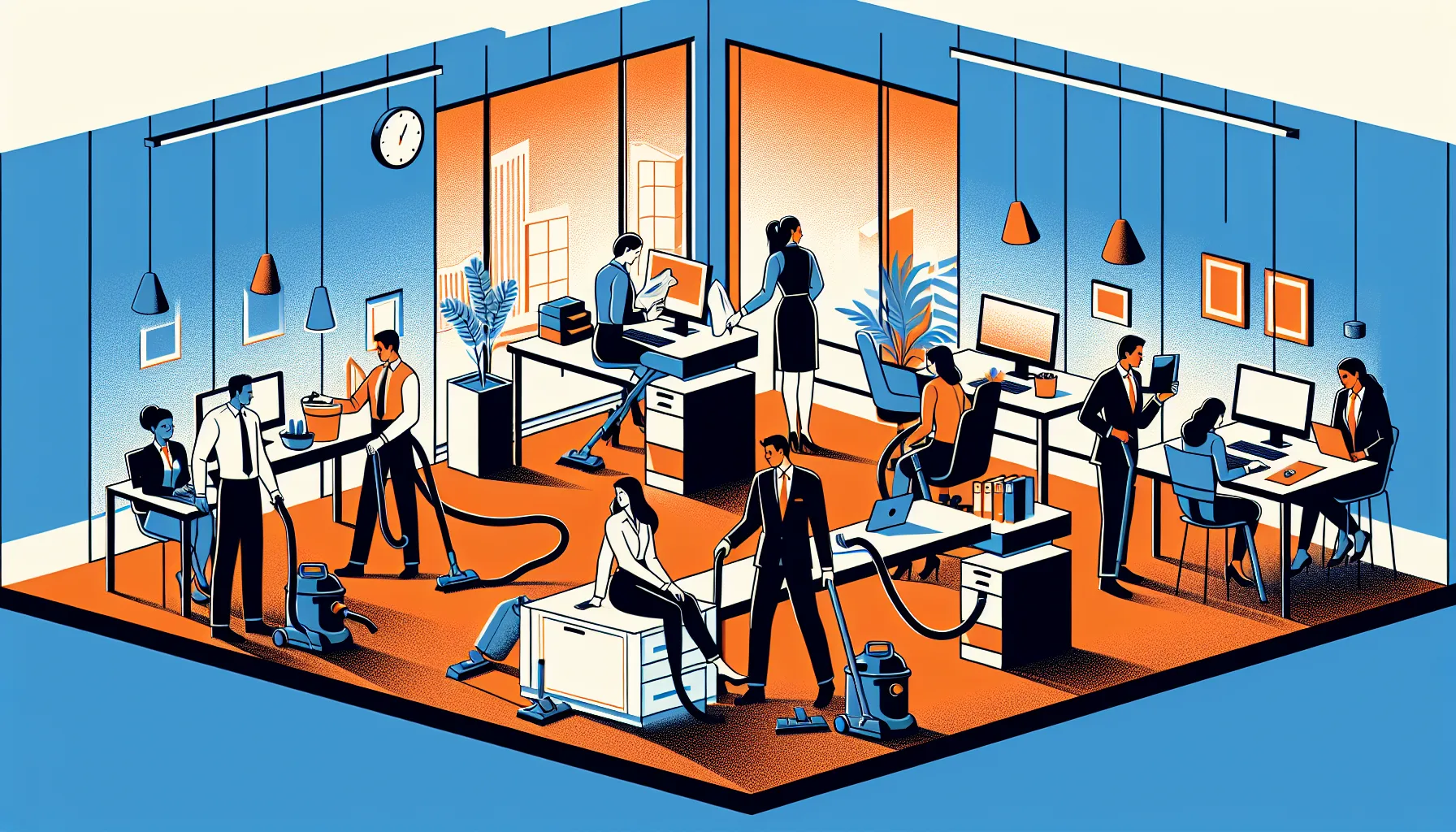
Many offices host allergens that affect comfort and productivity. Do you notice more sneezing or headaches at your desk than at home? These triggers often hide in places we’ve overlooked.
Dust and Dust Mites
Dust and dust mites collect on desks, carpets, and electronics. Even with regular cleaning, they return quickly, especially in carpeted offices and on soft chairs. Dust mites thrive in humidity and can cause persistent symptoms like sniffles or itchy eyes. Routine vacuuming with HEPA filters and wiping with damp microfiber cloths prevents dust buildup and removes allergen particles from surfaces. Noticing more dust on desks or monitors? That usually means it’s time for cleaning.
Mold and Mildew
Mold and mildew often thrive in damp spaces like restrooms, kitchens, or near windows. These fungi send spores into the air, causing symptoms for those who are sensitive. High humidity or unseen leaks can increase growth. We always inspect corners, under sinks, and behind appliances for any dark spots or musty smells. What areas in your office are sometimes damp or overlooked during cleaning?
Pollen and Outdoor Allergens
Pollen travels inside through open doors or on clothing and shoes, even in urban settings. It settles on window sills, carpets, and air ducts. Offices near parks or with open windows can see higher pollen levels during certain times of year, leading to sneezing and watery eyes. Regular cleaning of entryways and windows, plus checking air filters, greatly reduces pollen indoors. When pollen counts rise outside, do you feel symptoms while working inside?
Pet Dander and Other Irritants
Pet dander comes from skin particles on employees’ clothes, even if pets never visit the building. Other irritants—such as cleaning chemicals, perfumes, or printer toner—can also hurt indoor air quality. We recommend using fragrance-free, hypoallergenic cleaning products and keeping common workspaces clear of clutter. Do you sometimes notice strong smells or find that certain products bother your breathing? Recognizing irritants helps us clean more thoughtfully, protecting everyone’s health.
Effective Office Cleaning Strategies for Allergy Reduction
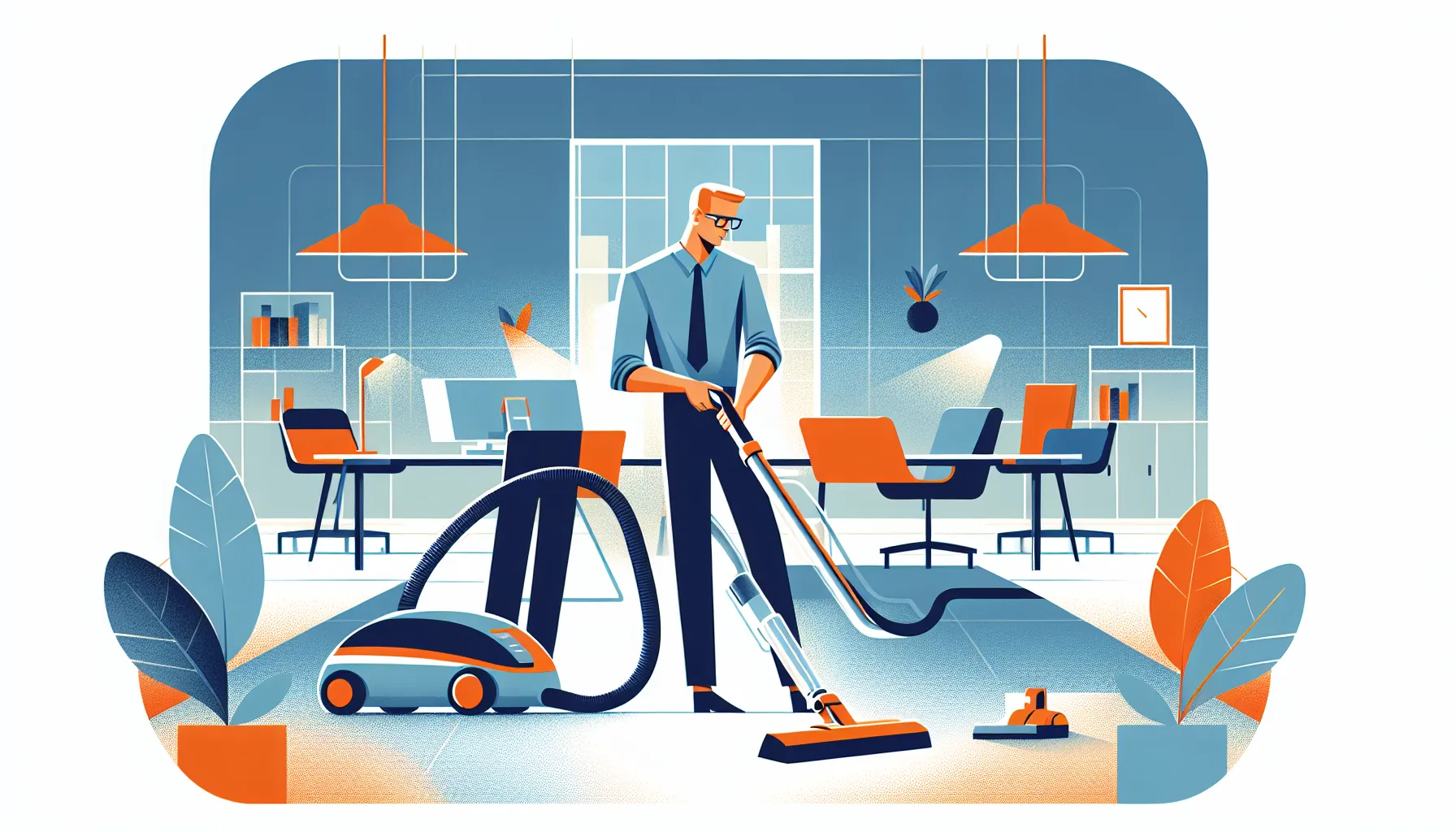
Many people spend hours each day in their offices, so a cleaner workspace directly affects comfort and well-being. Have you noticed employees experiencing frequent allergy symptoms like watery eyes or sneezing? Let’s focus on strategies that help minimize these issues and promote a healthier, more productive environment.
Regular Dusting and Vacuuming Techniques
Routine dust removal lowers the presence of common allergens. Using microfiber cloths, we trap dust particles instead of moving them around. High-touch zones—such as desks, phones, and keyboards—collect allergens steadily, so we clean them several times each week.
Vacuuming carpets and upholstery with HEPA filter machines removes dust mites and pollen without expelling them back into the air. We schedule vacuuming at least twice a week in shared spaces and recommend daily sessions in heavily trafficked areas. Has your office considered rotating vacuum schedules to keep floors consistently clean?
Proper Ventilation and Air Purification
Proper airflow cuts down on airborne allergens. We open windows when weather permits and avoid blocking vents with furniture or clutter. Office air filters need changing quarterly or as directed by the manufacturer, reducing the buildup of dust and mold spores.
Installing air purifiers with HEPA filters helps capture particles like pollen, mold, and pet dander. For extra benefit, placing purifiers in meeting rooms and break areas helps those who spend longer periods in these spots. What methods does your workspace use to boost indoor air quality?
Selecting Allergy-Friendly Cleaning Supplies
Choice of cleaning products has a big impact on allergy reduction. We switch to fragrance-free and hypoallergenic cleaners to lessen chemical irritants that make symptoms worse. When looking at new supplies, we review ingredient lists carefully, prioritizing those that don’t contribute harsh odors or volatile organic compounds.
Reusable cleaning tools such as washable mop heads and microfiber cloths cut down on residual debris left behind by disposable options. Are your cleaning supplies contributing to better air quality, or could changes still reduce irritation for your team?
Best Practices for Maintaining a Low-Allergen Office Environment
Maintaining a low-allergen environment helps everyone breathe easier and stay productive. What changes could make your workspace feel cleaner and more comfortable?
Employee Awareness and Participation
Allergy reduction works best when everyone helps keep the space clean. We encourage open discussions about sensitivities. Providing simple instructions—like using fragrance-free sprays and keeping personal spaces tidy—makes participation easy. Posting reminders about hand hygiene and desk cleaning supports collective efforts. Are there allergy triggers in your area others might not notice? Sharing these details can benefit the entire group.
Choosing Allergen-Proof Office Decor and Materials
Office decor choices make a real difference in allergy control. Smooth surfaces such as metal, glass, and laminate reduce dust buildup compared to textured fabrics. Low-pile carpets, washable blinds, and vinyl or leather seating trap fewer allergens, making cleaning more effective. Plants selected with care bring life to an office, but those that shed pollen or promote mold growth can cause problems. Could switching to hypoallergenic decor help your team feel better? Simple swaps, like replacing drapes with blinds or using easily washable rugs, reduce allergen load and create a healthier space for everyone.
Conclusion
Prioritizing allergy reduction through smart office cleaning isn’t just about comfort—it’s about showing we care for our team’s well-being. When we embrace effective cleaning habits and make thoughtful choices about our work environment we’re investing in the health and productivity of everyone.
Let’s continue to work together to keep our office as allergen-free as possible so all of us can breathe easier and stay focused on what matters most.
Frequently Asked Questions
What are common allergens found in office environments?
Common office allergens include dust mites, pollen, pet dander, mold, and chemical irritants from cleaning products or perfumes. These can accumulate on surfaces and in the air, triggering allergy symptoms for sensitive individuals.
How does regular office cleaning help reduce allergies?
Regular office cleaning removes dust, allergens, and irritants that cause allergy symptoms. Using HEPA filter vacuums and microfiber cloths ensures allergens are trapped rather than redistributed, leading to improved air quality and fewer allergy triggers.
Which cleaning products are best for minimizing allergy symptoms?
Fragrance-free, hypoallergenic cleaning products are best for minimizing allergy symptoms. These products reduce chemical irritants and sensitivities, making the office safer for employees with allergies or chemical sensitivities.
What role does office decor play in allergy control?
Office decor can impact allergen levels. Choosing smooth, easy-to-clean surfaces and hypoallergenic materials reduces dust buildup and allergen retention, making the workspace easier to keep clean and allergy-friendly.
How can improving air quality help with workplace allergies?
Improving air quality by using air purifiers, opening windows, and maintaining ventilation helps remove airborne allergens. This leads to cleaner indoor air and reduces the risk of allergy symptoms among employees.
Are there simple ways employees can help maintain a low-allergen office?
Yes, employees can help by keeping their desks clean, following hygiene reminders, and minimizing clutter that collects dust. Increased awareness and participation in cleaning routines contribute to a healthier shared workspace.
What areas of the office should be cleaned most frequently to reduce allergens?
High-touch areas like desks, keyboards, door handles, restrooms, and shared spaces should be cleaned regularly. Regular dusting, vacuuming, and sanitizing these spots help control allergen buildup effectively.
How often should vacuuming and dusting be done in the office?
Vacuuming and dusting should be done at least weekly, or more often in high-traffic areas. Using vacuums with HEPA filters and microfiber cloths helps trap and remove allergens efficiently.
Why are HEPA filters recommended for office cleaning?
HEPA filters trap tiny allergen particles that standard vacuums miss. Using HEPA filter vacuums prevents allergens from being released back into the air, making office cleaning much more effective for allergy control.
What are the benefits of a low-allergen office environment?
A low-allergen office reduces employee sick days, boosts comfort, and increases productivity. By minimizing allergies and irritants, the workplace becomes healthier and more welcoming for everyone.