


Disposal of Hazardous Cleaning Materials: Safe and Legal Methods

Office Cleaning for Allergy Reduction: Tips for a Healthier Workplace
September 11, 2025
Facility Cleaning Risk Assessment Checklist: Ensure Safety & Cleanliness
September 11, 2025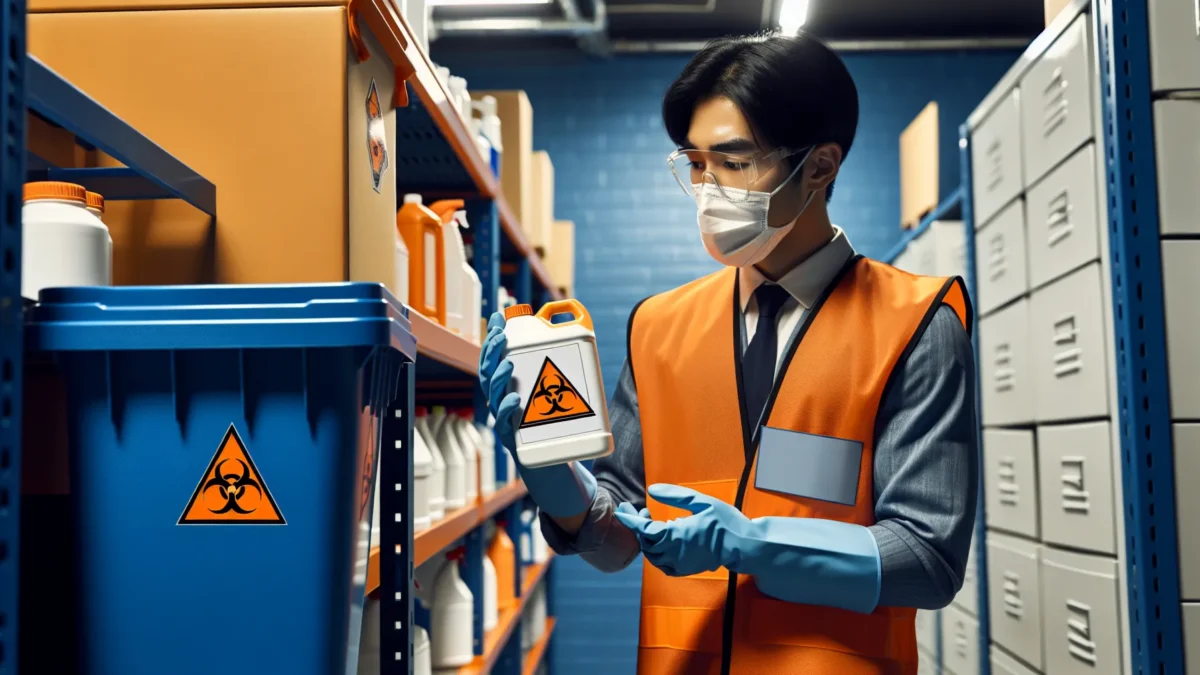
Every day, cleaning professionals handle powerful chemicals to keep spaces safe and sanitary. But what happens when it’s time to throw those materials away? Proper disposal of hazardous cleaning products isn’t just a box to check—it protects our health, our communities, and the environment.
We know it can be confusing to figure out the safest way to get rid of these substances. Are you ever unsure about which products need special handling or where to take them? You’re not alone. Regulations and best practices can seem overwhelming, especially with so many different types of cleaners and disinfectants on the market.
Let’s explore why safe disposal matters and how we can all make informed choices. Understanding the right steps helps us avoid risks and stay compliant with local rules. Have you ever wondered what small changes could make a big difference in your cleaning routine?
Protect Your Team and the Environment with Safe Disposal Practices
Ensure your facility stays compliant and your staff stays safe by partnering with Summit Janitorial for expert guidance on handling and disposing of hazardous cleaning products. Our experienced team follows strict commercial cleaning standards to minimize risks, prevent pollution, and keep your workplace healthy. Ready to build a safer cleaning routine and protect your community? Contact us today or get a quote to get started.
Understanding Hazardous Cleaning Materials
Many cleaning products contain chemicals that can harm people, animals, or the environment if handled carelessly. How many times have we looked at bottles in our supply closet and wondered what makes some products risky? These products often include items like bleach, ammonia-based cleaners, disinfectants, and degreasers. Various industries—healthcare, industrial, or commercial offices—use such products for essential cleaning results.
Some hazardous cleaning materials release fumes that irritate airways or skin. Others, like certain disinfectants, can pollute water systems when poured down drains. Labels and safety data sheets often highlight hazards using signal words such as “danger,” “warning,” and “caution.” Isn’t it best when information is easy to find and straightforward to read?
Knowing which materials present a hazard starts with understanding their component chemicals and reading manufacturer instructions. Regulations for these substances vary by state and municipality, adding another layer that can be confusing. Have you ever felt unsure whether a cleaner in your hands requires special disposal steps?
Sorting hazardous materials from non-hazardous ones helps us avoid accidental exposure or environmental contamination. Examples include separating caustic bathroom cleaners, paint thinners, and expired pesticides from regular soap and floor cleaners. Thoughtful identification and awareness make it easier to store, use, and dispose of products responsibly. What steps do you usually take to keep your staff and environment safe?
Why Proper Disposal Is Important
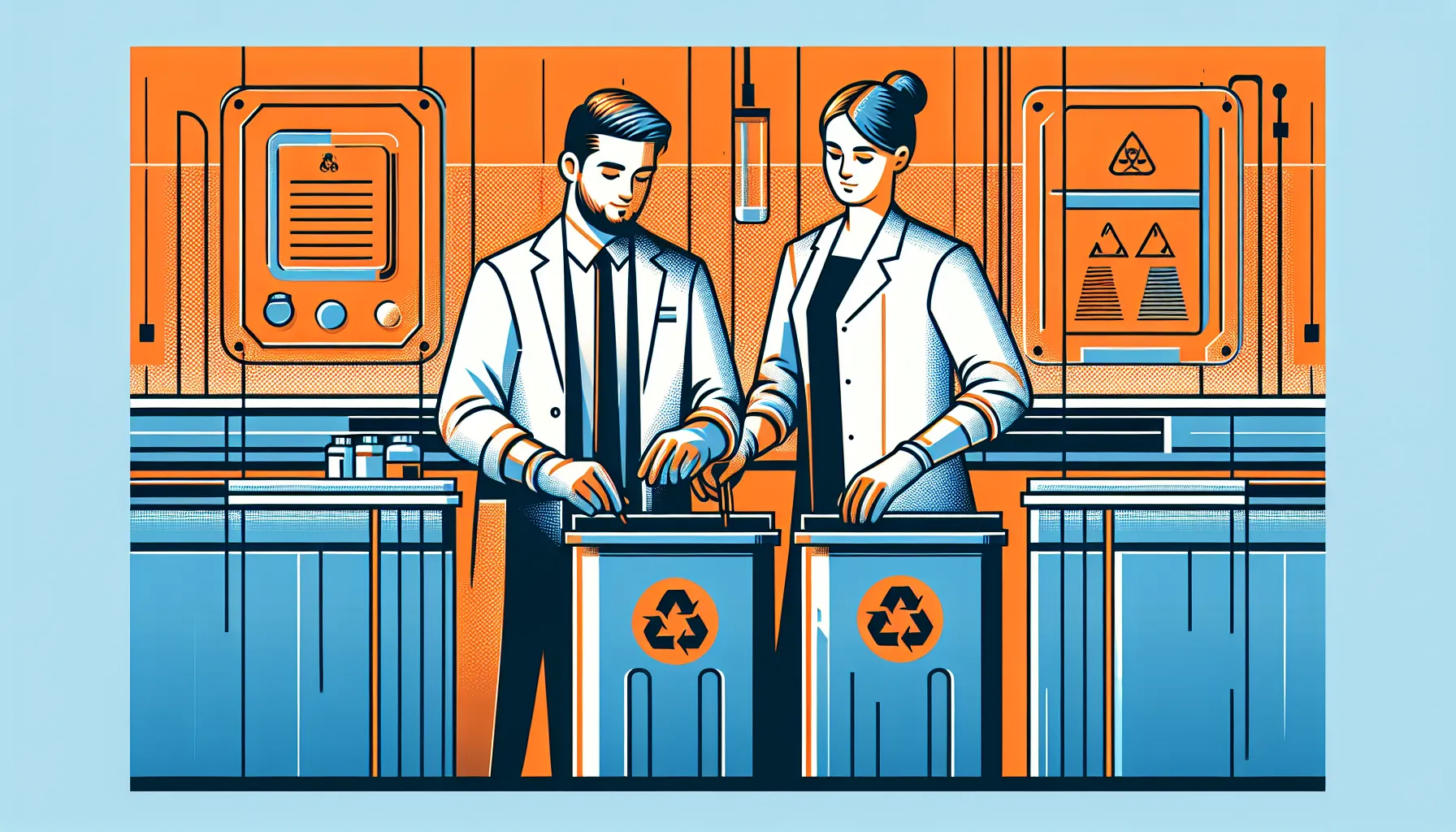
Proper disposal of hazardous cleaning materials keeps people and the environment safe. Chemicals like bleach or ammonia-based cleaners can release harmful fumes or leach into water systems if thrown out with regular trash. Have you ever wondered how these chemicals might affect your local community if they’re poured down the drain or tossed in the landfill? Unintentional exposure to these substances can cause health problems for cleaning staff, building occupants, pets, and even children.
Following correct disposal steps helps us comply with local and federal regulations. Many areas have specific rules because cleaning chemicals can pollute groundwater or create unsafe conditions at waste management sites. Ignoring these rules often leads to fines or legal action. Are you confident that your cleaning routine avoids these risks?
Environmental effects matter too. Improperly discarded chemicals may harm aquatic life or plants. This impact can last for years. Taking small, careful steps each day protects our water, air, and soil for future generations.
Feeling uncertain about which products are hazardous? Reading product labels, using official guidelines, or consulting with environmental agencies gives us useful guidance. Open communication helps everyone in our teams feel supported and informed. How do we know which chemicals require special attention? When in doubt, it’s best to handle any strong cleaners or disinfectants with care and seek expert input on disposal.
Awareness and teamwork set the standard for safe workplaces and healthier communities. When we prioritize proper disposal, we reassure building users—students, faculty, and staff—that their space remains clean and safe.
Common Types of Hazardous Cleaning Materials
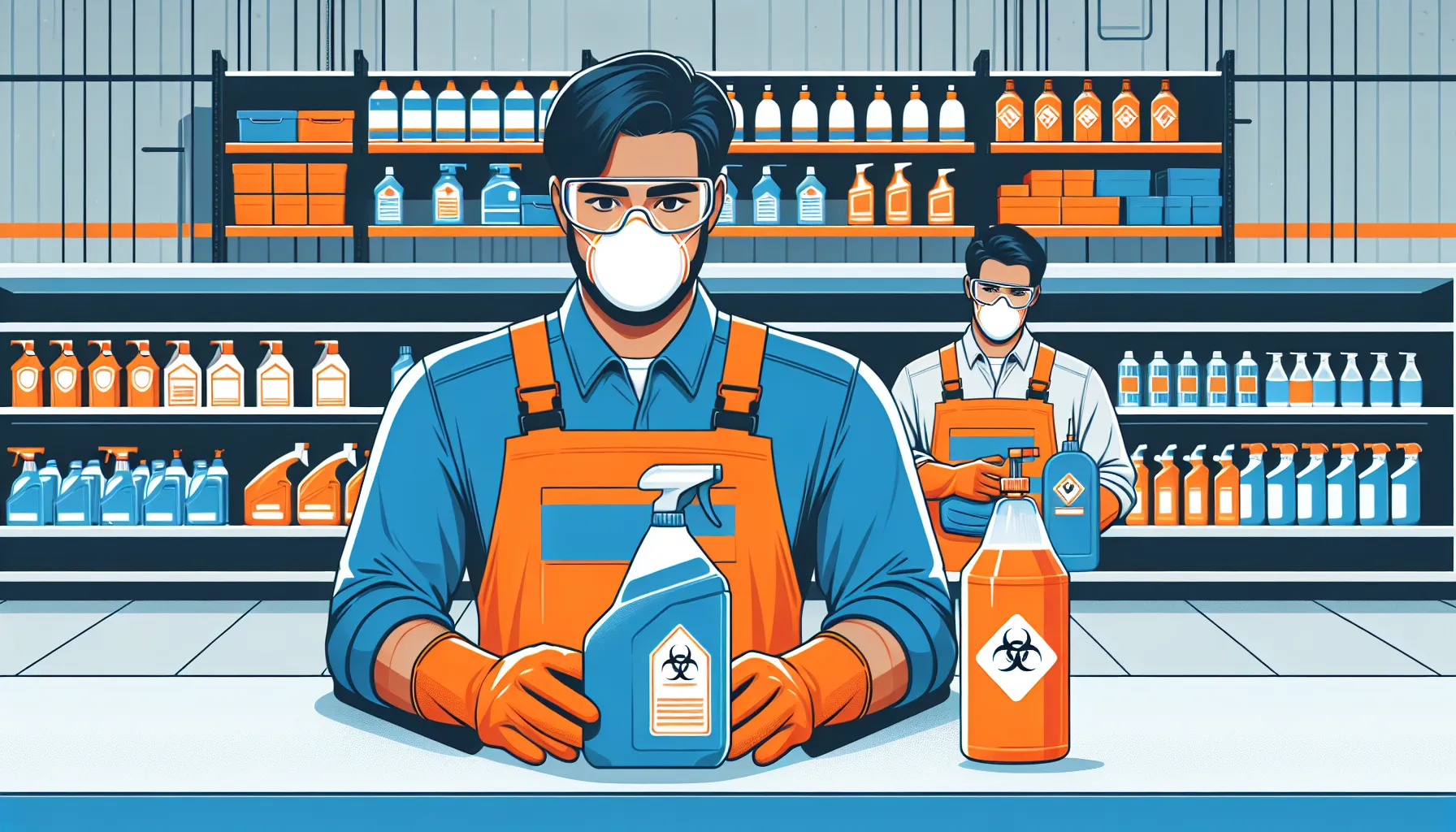
Many workplaces use cleaning materials that can be hazardous to health and the environment. Understanding what these materials are makes safe handling and disposal much less complicated. Do you ever wonder if the products we use every day pose hidden risks?
Solvents and Degreasers
Solvents and degreasers, such as mineral spirits or acetone, often clean oil, paint, or sticky residues from surfaces. These chemicals can release strong fumes, irritate skin, and pollute water if poured down drains. They can catch fire easily if stored or thrown out improperly. Have you checked which solvents are in your cleaning supplies?
Acids and Bases
Acids and bases appear in products like toilet bowl cleaners, drain openers, and descalers. Examples include hydrochloric acid, sulfuric acid, and sodium hydroxide. They can burn skin, damage eyes, and corrode pipes. Mixing acids and bases, even in small amounts, creates dangerous reactions. How confident are you in identifying acidic or alkaline products?
Disinfectants and Bleaches
Disinfectants and bleaches commonly contain chlorine, ammonia, or quaternary ammonium compounds. These kill germs but produce fumes that harm lungs and can cause chemical burns. Some disinfectants react badly with other chemicals. Do you read labels to spot these ingredients before disposal?
| Hazardous Cleaning Material | Common Examples | Potential Risks |
|---|---|---|
| Solvents & Degreasers | Mineral spirits, acetone | Fumes, flammability, water pollution |
| Acids & Bases | Hydrochloric acid, lye | Burns, corrosive damage, toxic reactions |
| Disinfectants & Bleaches | Chlorine bleach, ammonia | Fumes, burns, toxic gas formation |
Safe Handling Before Disposal
Safe handling of hazardous cleaning materials protects people and the environment, long before any waste reaches a disposal site. Are you confident your team has steps in place to manage these risks at every stage? Let’s look at essential ways to minimize hazards before disposal.
Personal Protective Equipment
Personal protective equipment (PPE) shields staff from exposure to chemicals like bleach, ammonia, or caustic acids. We recommend gloves made of nitrile or neoprene for most cleaning agents, goggles for splash protection, and disposable aprons or coveralls in high-risk tasks. Sturdy, closed-toe shoes add extra safety. Changing out contaminated gear right away cuts down on accidental contact. Open-ended conversations within your team about comfort and fit for protective gear can prompt new solutions and boost compliance.
Storage and Labeling
Proper storage and clear labeling lower the chance of accidents before disposal. Assigning a dedicated, ventilated space for hazardous wastes helps reduce exposure to dangerous fumes. Use leak-proof containers, and keep incompatible substances (like ammonia products and bleach) apart to avoid chemical reactions. Labels should display the chemical name, hazard symbols, and accumulation start date. Do your containers invite confusion or offer all the right details at a glance? Invite your team to share feedback on clarity—fresh eyes often spot an overlooked gap.
Methods for Disposal of Hazardous Cleaning Materials
Disposing of hazardous cleaning materials protects public health and our environment. We can rely on several organized methods that simplify the process and offer peace of mind. How do you currently handle leftover chemicals or used cleaning agents? Let’s look at practical approaches many cleaning professionals use to manage hazardous waste safely.
Household Hazardous Waste Collection
Household hazardous waste collection sites accept products like strong cleaners, bleaches or degreasers. These facilities follow strict environmental guidelines, so materials get treated or neutralized properly. Collection days happen throughout the year in many municipalities, reducing the risk of harm from improper disposal. Have you checked your local waste authority’s schedule for upcoming collection events?
Community Recycling Programs
Some communities offer recycling programs tailored for hazardous materials, including solvents or chemical containers. These programs recycle or safely dispose of hazardous components, minimizing landfill impact. Residents and professionals usually drop off accepted items at designated centers or during special events. Participation rates average 30-50% in cities that promote these programs, making a significant environmental difference. How might access to local recycling increase your team’s confidence in waste management?
Manufacturer Take-back Programs
Manufacturers sometimes offer take-back programs for specific hazardous cleaning materials. These programs involve returning unused products, empty containers or expired chemicals directly to the producer, who handles safe disposal. Take-back initiatives reduce environmental risks and simplify compliance with disposal regulations. Have you ever checked the label or manufacturer’s website for collection options? Many professionals find these solutions straightforward and effective for items such as refillable containers or specialty concentrates.
Environmental and Legal Implications
Disposing of hazardous cleaning materials directly affects both the environment and our legal responsibilities. Chemicals like strong disinfectants or solvent-based cleaners can damage soil, water, and air if discarded improperly. Pollutants from these substances enter waterways, harm aquatic organisms, and threaten the safety of our ecosystems. Have you noticed fish kills or algae blooms in local water sources? Often, these incidents trace back to chemical pollution.
Many cleaning agents fall under strict environmental regulations. Federal laws, like the Resource Conservation and Recovery Act (RCRA), classify some cleaning products as hazardous waste. State and municipal rules often add more requirements. Do you stay updated with local waste management guidelines or check for recent changes? Following these standards helps us avoid pollution while supporting community health.
Legal risks increase when hazardous materials aren’t handled correctly. Violations bring fines that start at hundreds of dollars and can reach several thousand per incident, depending on severity and location. Authorities might require detailed records of chemical use and disposal. Do you have a process for tracking these records in your workplace?
Taking practical action protects us from legal trouble and limits our environmental impact. Using community hazardous waste collection programs, working with approved disposal facilities, or participating in recycling efforts all contribute to safer outcomes. How do you make decisions about which disposal method fits best with your facility or team?
Handling chemical waste remains a shared responsibility. Staying informed and asking questions help us keep our spaces compliant and our natural surroundings safe.
Tips for Reducing Hazardous Waste
Reducing hazardous cleaning waste starts with smart choices in our product selection and usage. Picking cleaning agents with fewer hazardous ingredients helps limit harmful leftovers. Have we reviewed product labels for safer alternatives, such as low-VOC cleaners or biodegradable disinfectants? Choosing wisely at the start often leads to less risk and easier disposal down the line.
Using only what’s needed prevents excess waste. Portion control goes a long way—have we measured out chemicals accurately for every task? Refilling smaller bottles from larger containers also cuts down on unused leftover products. It feels good to only stock what we use frequently.
Reusing and recycling containers, when allowed by local regulations, shrinks waste streams as well. Rinsing out and repurposing approved containers—such as sturdy plastic jugs or spray bottles—keeps them out of the trash. Which items in our daily routines could we safely reuse or recycle instead of discarding after one use?
Proper storage extends product life. Keeping chemicals in dry, cool, and well-marked places guards against spoilage or accidental mixing. Well-organized storage means fewer wasted supplies and a safer facility.
Training staff builds a shared approach to waste reduction. Clear, simple instructions help us handle chemicals correctly and spot ways to use less. Involving everyone—have we asked staff for their ideas about reducing leftovers or streamlining ordering? Open conversations often reveal helpful shortcuts.
By making these small changes, we help our teams feel confident and informed while making our workplaces a little safer. What practical steps could we put in place today to cut back on hazardous waste together?
Conclusion
When we take responsibility for hazardous cleaning materials and their disposal we protect more than just our immediate surroundings. Every step we take toward safer handling and disposal supports healthier communities and a cleaner environment for everyone.
Let’s stay proactive by keeping up with regulations seeking out disposal resources and sharing knowledge with our teams. Together we can make a positive impact—one safe disposal at a time.
Frequently Asked Questions
What are hazardous cleaning products?
Hazardous cleaning products are chemical cleaners, disinfectants, and solvents that can harm people, animals, or the environment if not handled or disposed of properly. Common examples include bleach, ammonia-based cleaners, acids, and solvents like acetone or mineral spirits.
Why is proper disposal of hazardous cleaning materials important?
Proper disposal protects human health, prevents environmental pollution, and ensures compliance with regulations. Incorrect disposal can lead to toxic exposure, water system contamination, and fines or legal issues for individuals and businesses.
How can I identify if a cleaning product is hazardous?
Check the product label and safety data sheets (SDS) for hazard warnings. Products with terms like “corrosive,” “flammable,” or “toxic,” or those listing dangerous chemicals such as chlorine or ammonia, are hazardous.
What are the risks of improper disposal of hazardous cleaning products?
Improper disposal can release toxic chemicals into the air, soil, or water, harming people, pets, and wildlife. It can also lead to chemical burns, fires, or dangerous chemical reactions.
Are there laws regulating the disposal of hazardous cleaning products?
Yes, both federal and local regulations govern hazardous waste disposal, such as the Resource Conservation and Recovery Act (RCRA). Failing to comply with these regulations can result in fines or legal action.
Where can I safely dispose of hazardous cleaning materials?
Use household hazardous waste collection sites, community recycling programs, or manufacturer take-back programs. Check with your local waste management authority for approved disposal facilities and guidelines.
Can empty containers of hazardous cleaning products be thrown in the regular trash?
Not always. Some empty containers may still contain residue that can be harmful. Follow local regulations or manufacturer instructions for proper disposal or recycling of these containers.
What personal protective equipment (PPE) should be used when handling hazardous cleaning products?
Wear gloves, safety goggles, and protective clothing to minimize contact with harmful chemicals and reduce the risk of exposure or injury.
How can cleaning professionals reduce hazardous waste?
Use products with fewer hazardous ingredients, measure chemicals accurately to prevent excess use, reuse or recycle containers when allowed, and store chemicals properly to extend their shelf life and prevent accidents.
Why is it important to train staff about hazardous cleaning materials?
Proper training ensures staff know how to handle, store, and dispose of hazardous materials safely, reducing the risk of accidents, health hazards, and legal issues in the workplace.