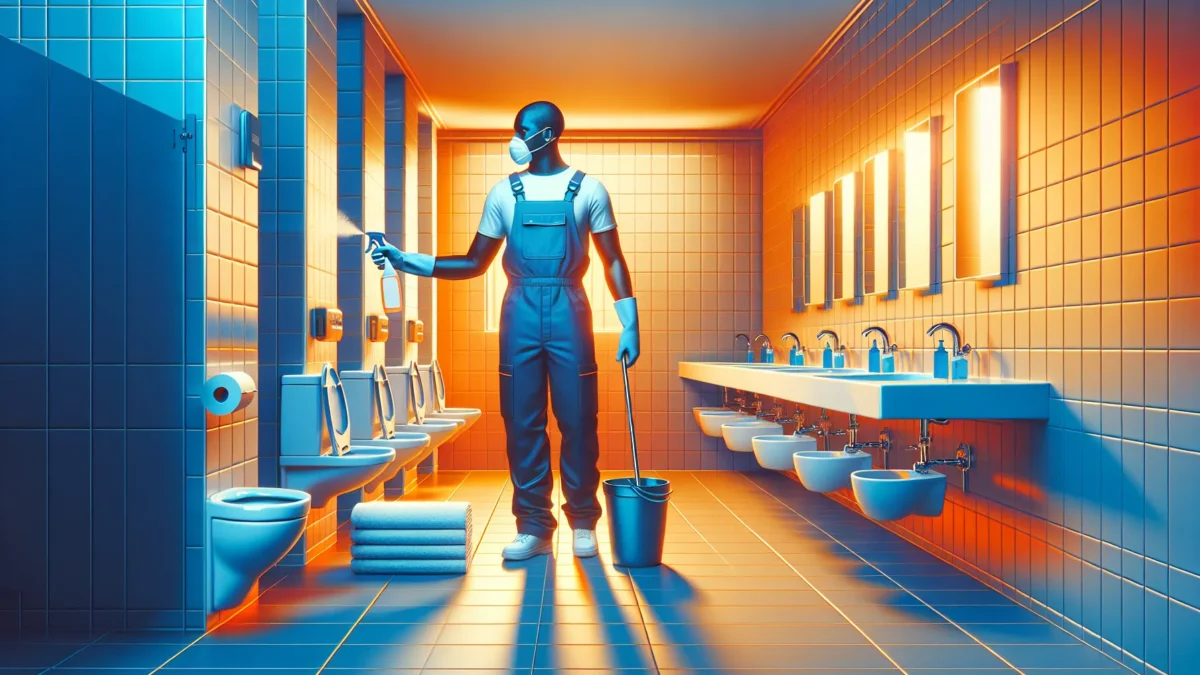
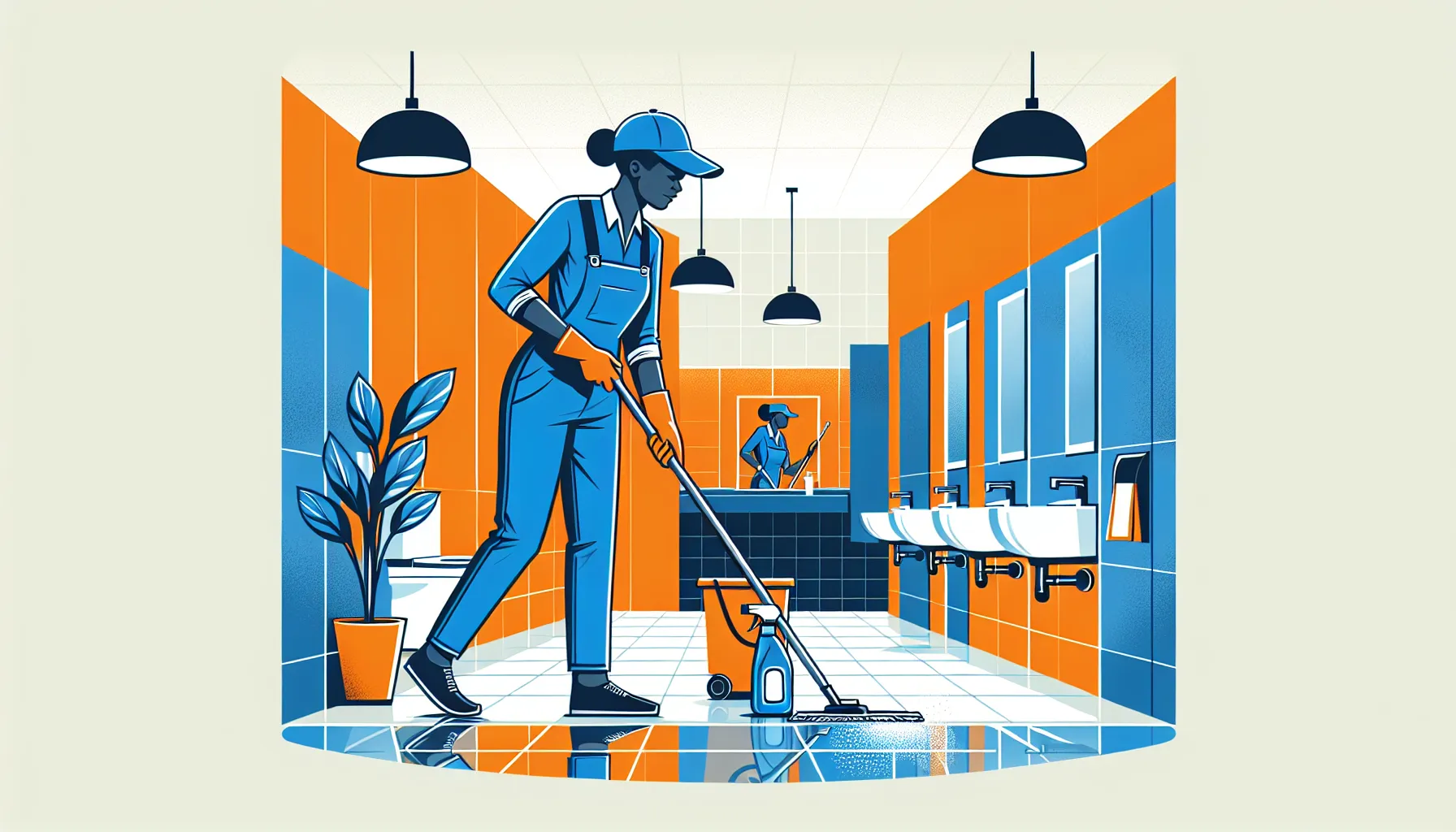
Restrooms are more than just a necessity in commercial spaces—they’re a reflection of cleanliness and care. A spotless, well-maintained restroom leaves a lasting impression on employees, clients, and visitors alike. But achieving that level of sanitation requires more than a quick wipe-down or occasional attention.
Have you ever wondered how to maintain restrooms that not only look clean but also promote a healthy environment? From preventing unpleasant odors to reducing the spread of germs, proper restroom sanitation is essential for creating a space that feels safe and welcoming. Let’s explore practical tips to keep your commercial restrooms in top condition, ensuring they meet the highest standards of hygiene and comfort.
Impress Visitors and Protect Health with Expert Restroom Sanitation
First impressions start in the restroom—and Summit Janitorialhelps ensure yours is always spotless, sanitary, and well-stocked. Our expert commercial cleaningteam delivers high-touch disinfection, odor control, and consistent maintenance to meet the needs of high-traffic facilities. With flexible scheduling and modern sanitation techniques, we keep your restrooms fresh, safe, and reflective of your business’s commitment to care. Want restrooms that make a lasting impression for all the right reasons? Get a quoteor contact ustoday.
Importance Of Restroom Sanitation
Sanitation in commercial restrooms reflects directly on the health and professionalism of your space. Restrooms used regularly by employees, customers, or tenants can quickly become breeding grounds for harmful bacteria if not properly cleaned. Prioritizing their cleanliness protects public health and demonstrates care for all who use your facilities.
Dirty or poorly maintained restrooms can create lasting negative impressions. A clean, fresh-smelling environment fosters trust and reinforces the image of a well-managed establishment. Would you feel confident returning to a business if their restrooms were unsanitary?
Proper restroom sanitation reduces the likelihood of infections spreading. High-touch areas like faucets, door handles, and toilet seats accumulate germs quickly. Frequent deep cleaning and disinfection minimize risks while enhancing comfort and peace of mind for users.
Cleanliness also affects long-term maintenance. Regular sanitation prevents the buildup of grime, mold, and unpleasant odors that can cause damage over time. Investing in consistent cleaning routines helps protect fixtures and flooring, saving costs in repair or replacement. What steps could you take today to improve your facility’s restroom hygiene?
Key Challenges In Maintaining Restroom Hygiene
Maintaining restroom hygiene in commercial spaces poses several challenges that require consistent attention and proper management. High foot traffic often leads to quickly accumulating dirt, odors, and germs, creating conditions that are harder to manage without frequent cleaning.
Identifying and addressing high-touch surfaces like door handles, faucets, and dispensers can be demanding. These areas are typically hotspots for bacteria and viruses. Regular disinfection processes minimize risks but require careful scheduling to avoid disrupting restroom usability.
Restrooms often experience issues with plumbing, such as clogged toilets or sinks, which contribute to unpleasant odors and unsanitary conditions. Quick responses to such issues help maintain cleanliness but depend on having efficient processes in place.
Supply shortages or improper stocking of essentials like soap, hand towels, and toilet paper impact user experience and cleanliness standards. Anticipating restroom needs and replenishing supplies regularly prevents such issues.
Air quality is another factor often overlooked. Poor ventilation can lead to lingering odors, making the space unwelcoming. Installing and maintaining proper ventilation systems keeps restrooms fresh and odor-free.
Considering how to maintain cleanliness throughout the day can feel overwhelming without a clear plan. What strategies do you think work best for managing hygiene in high-traffic areas?
Effective Commercial Restroom Sanitation Tips
A clean restroom makes a lasting impression on visitors and supports a safe, hygienic environment. Implementing practical strategies simplifies keeping these spaces spotless and healthy.
Establish A Cleaning Schedule
Frequent cleaning prevents dirt and bacteria from accumulating. Create a detailed schedule that includes tasks like mopping, disinfecting, and restocking supplies. How often do you assess restroom conditions and address high-traffic needs? Regular intervals throughout the day work best for busy facilities.
Use The Right Cleaning Supplies
Choosing proper cleaning solutions contributes to effective sanitation. Use disinfectants approved for killing germs and eco-friendly options where possible. Stock supplies like sponges, mops, and sprays dedicated to restroom areas. Are you providing your staff with cleaning tools suitable for different surfaces?
Train Staff On Proper Procedures
Equip your team with the knowledge needed for thorough cleaning. Train them to use cleaning products correctly, handle waste safely, and address spills promptly. When everyone understands their responsibilities, maintaining clean restrooms becomes manageable. What steps are you taking to support your cleaning staff’s efforts?
Focus On High-Touch Areas
High-touch surfaces like door handles, faucet knobs, and toilet flush levers are breeding grounds for germs. Frequent disinfection minimizes contamination risks. Encourage staff to sanitize these hotspots more often. Are these critical areas receiving the attention they deserve in your cleaning routine?
Implement Regular Inspections
Scheduled inspections help maintain cleaning standards. Supervisors can check for overlooked tasks, assess stock levels, and identify maintenance issues like plumbing leaks. Inspections also provide opportunities to make adjustments as needed. How could regular checks improve your restroom upkeep?
Role Of Technology In Restroom Sanitation
Integrating technology in restroom sanitation offers practical solutions to common hygiene challenges. Advanced tools can enhance efficiency, minimize human error, and create safer, cleaner environments.
Touchless Fixtures And Dispensers
Touchless fixtures and dispensers reduce the risk of germ transfer on high-touch surfaces. By using motion-sensor faucets, soap dispensers, and paper towel holders, restrooms can maintain hygiene standards more consistently. These devices dispense just the right amount of water, soap, or paper, helping to manage resources while promoting cleanliness. Do you currently use touchless solutions in your restrooms? If not, consider the positive impact they can have on both hygiene and resource efficiency.
Hands-free flush systems also play a significant role. They eliminate direct contact with surfaces prone to harbor bacteria, reducing the spread of pathogens. Installing these systems can improve the user experience by providing a cleaner, more modern restroom environment.
Automated Cleaning Systems
Automated cleaning systems, such as self-cleaning toilet seats and floor scrubbers, simplify maintenance efforts. These systems operate with precise timing and coverage, ensuring thorough sanitation without gaps. For example, some toilets sanitize their surfaces between uses, addressing the challenge of maintaining hygiene in high-traffic locations. Automated dispensers can release cleaning agents for floors at scheduled intervals, keeping restrooms clean with less manual intervention.
Smart restroom monitoring systems go a step further by tracking cleanliness levels. These devices alert staff to issues like low soap levels or high usage areas requiring extra attention. How would your maintenance routine benefit from such proactive alerts? Incorporating these tools can reduce downtime and elevate user satisfaction.
Benefits Of Proper Restroom Sanitation
Proper restroom sanitation improves the environment within commercial spaces, making them more welcoming and health-focused. Maintaining high cleanliness standards impacts both visitors and employees in meaningful ways.
Improved Customer Experience
A clean restroom leaves a positive and lasting impression. Visitors associate well-maintained facilities with professionalism and care. When restrooms are spotless, stocked with essential supplies, and free from odors, customers feel valued and comfortable. This level of attention boosts trust and satisfaction with the business.
Neglected restrooms, on the other hand, can lead to discomfort and negative reviews. After all, if someone sees grime or empty dispensers, would they feel confident in the rest of the establishment? Clean conditions help eliminate such concerns, making each visit pleasant and stress-free.
Enhanced Employee Health And Safety
Sanitized restrooms directly contribute to workplace health. Regular cleaning reduces bacteria and germs on high-touch surfaces like faucets, doorknobs, and flush handles. This minimizes the spread of common illnesses, creating a safer environment for everyone.
Poor restroom hygiene can also lead to slippery floors or clogged plumbing, increasing accident risks. Routine cleaning addresses potential hazards and keeps facilities functional. Employees working in sanitary conditions are more likely to feel respected and maintain productivity, knowing their well-being is prioritized.
Conclusion
Maintaining exceptional restroom sanitation in commercial spaces is more than just a daily task—it’s a commitment to health, professionalism, and user satisfaction. By prioritizing cleanliness, leveraging modern technology, and staying proactive with maintenance, we can create restrooms that leave a lasting positive impression.
A clean and well-equipped restroom reflects the care and attention we put into our establishments. Let’s continue to set high standards, ensuring our restrooms remain safe, welcoming, and efficient for everyone who steps through the door.
Frequently Asked Questions
Why is restroom cleanliness important in commercial spaces?
Maintaining clean restrooms reflects the overall care and professionalism of a commercial establishment. It ensures a healthier environment, reduces the spread of germs, and leaves a positive impression on visitors and employees.
How does poor restroom hygiene impact businesses?
Neglected restrooms can lead to health risks, unpleasant odors, negative reviews, and loss of trust among customers. They may create an unprofessional image and affect employee morale and productivity.
What are the biggest challenges in restroom sanitation?
High foot traffic, dirty high-touch surfaces, plumbing issues, supply shortages, poor ventilation, and maintaining cleanliness throughout the day are common challenges.
How can businesses maintain restroom sanitation consistently?
Businesses should establish a detailed cleaning schedule, use proper supplies, train staff, frequently disinfect high-touch areas, and conduct regular inspections to maintain hygiene standards.
Why is ventilation essential in restrooms?
Good ventilation prevents unpleasant odors and promotes better air quality, creating a more comfortable and welcoming space for visitors.
How can technology improve restroom hygiene?
Technologies like touchless dispensers, automated cleaning systems, and smart monitoring tools reduce germ transfer, minimize manual errors, and streamline maintenance to enhance overall cleanliness.
What are the benefits of touchless restroom fixtures?
Touchless fixtures reduce germ transfer, improve resource efficiency, and enhance user experience by minimizing the need for direct contact with surfaces.
How often should high-touch areas in restrooms be cleaned?
High-touch surfaces like door handles, faucet knobs, and flush buttons should be disinfected multiple times a day, especially in high-traffic restrooms.
Can regular cleaning reduce maintenance costs in restrooms?
Yes, frequent cleaning prevents grime buildup, extends the lifespan of fixtures, reduces the risk of repairs, and helps avoid costly maintenance in the long term.
How does restroom cleanliness affect employee well-being?
A clean restroom promotes employee health, reduces the spread of germs, and fosters a safer and more productive workplace. It also shows respect and care for staff.
What supplies are essential for restroom sanitation?
Key supplies include disinfectants, eco-friendly cleaning solutions, hand soap, toilet paper, paper towels, and functional cleaning tools like mops and scrubbers.
How can smart restroom monitoring systems help businesses?
These systems track cleanliness levels, alert staff to maintenance needs, and optimize cleaning processes, ensuring restrooms remain sanitary and efficient throughout the day.