


Industrial Degreasing Techniques: Effective Methods Explained

Sustainable Janitorial Supply Options for a Greener Future
July 17, 2025
Commercial Restroom Sanitation Tips for Clean, Safe Spaces
July 17, 2025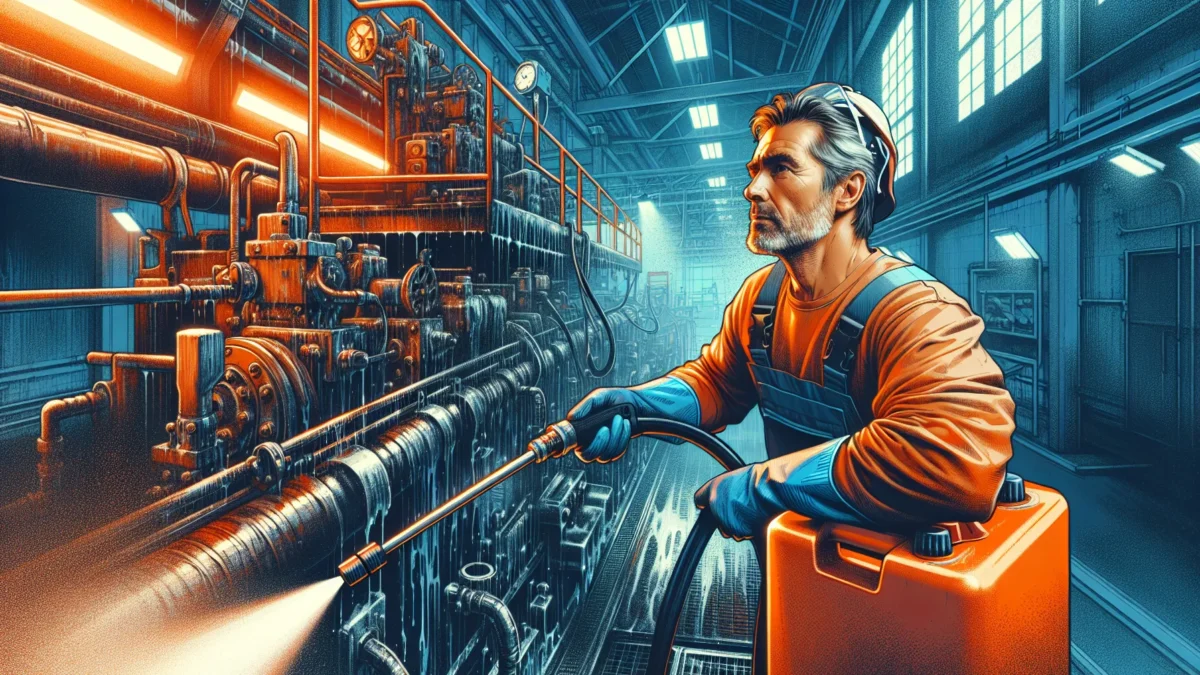
Grease and grime can be some of the toughest challenges in industrial settings. Whether it’s heavy machinery, production floors, or equipment, maintaining cleanliness isn’t just about appearances—it’s critical for safety, efficiency, and longevity. But how do we effectively tackle stubborn residues without damaging surfaces or disrupting operations?
Industrial degreasing requires more than just standard cleaning methods. It calls for strategies that address specific materials, contaminants, and operational needs. From advanced solvents to high-pressure systems, the right techniques can make all the difference. Are you looking for solutions that balance effectiveness with environmental responsibility?
In this article, we’ll explore effective industrial degreasing techniques, breaking down what works and why. Let’s dive into the methods that help businesses maintain clean, safe, and efficient environments.
Cut Through Grease—The Smart Way to Keep Your Facility Running Clean
At Summit Janitorial, we specialize in industrial-strength commercial cleaning solutions designed to safely and effectively eliminate grease, grime, and contaminants from machinery, floors, and equipment. Whether you need solvent-based treatments, water-based degreasing, or high-pressure cleaning, our team delivers proven results tailored to your operation’s needs—without disrupting productivity. Ready to improve safety and performance while extending equipment life? Get a quote or contact us today to schedule your customized degreasing service.
Understanding Industrial Degreasing Techniques
Industrial degreasing techniques address the buildup of grease, oil, and other contaminants that accumulate on machinery, equipment, and surfaces. These methods are essential for maintaining operational efficiency and safety in facilities. By using the right techniques, businesses can reduce downtime and extend the lifespan of their equipment.
Solvent-Based Degreasing
Solvent-based degreasers dissolve oil and grease residues. These solutions are effective for removing stubborn contaminants and are commonly applied to metal parts and machinery. Specific solvents vary in strength, with some designed for heavy-duty cleaning and others for more delicate surfaces. Proper disposal of used solvents is critical to meeting environmental regulations.
Water-Based Degreasing
Water-based degreasers combine cleaning agents with water to safely break down grease. These are ideal for environments where minimizing chemical exposure is preferred, such as food production facilities or areas with sensitive equipment. They are biodegradable in most cases, posing less environmental impact, and offer an alternative to traditional solvent-based options.
Manual Degreasing
Manual cleaning involves scrubbing surfaces with brushes or cloths. This method works well for smaller components or areas requiring careful handling. Combining manual effort with degreasers enhances effectiveness and allows operators to target hard-to-reach spots. Wearing appropriate protective gear during manual degreasing prevents chemical exposure.
Automated Degreasing
Automated systems use machines to clean large volumes of parts quickly. Immersion tanks, ultrasonic cleaners, or conveyor belt systems streamline the process in high-demand operations. These systems maintain consistent cleaning quality and reduce labor costs. Investing in automation helps operations keep up with production demands without sacrificing cleanliness.
High-Pressure Degreasing
High-pressure washers apply water or cleaning solutions at strong force to dislodge grease and dirt. This technique suits heavy equipment like engines or construction vehicles, where large surfaces or thick buildup must be addressed. Adjustable pressure settings allow customization for different tasks, reducing the risk of damage.
Choosing the Right Technique
Selecting the appropriate degreasing method depends on factors like the type of contaminants, surface materials, and environmental considerations. Asking questions about cleaning frequency, waste management, and compatibility with facility needs helps refine the decision-making process. Combining methods where appropriate delivers optimal results while meeting specific facility requirements.
Types Of Industrial Degreasing Techniques
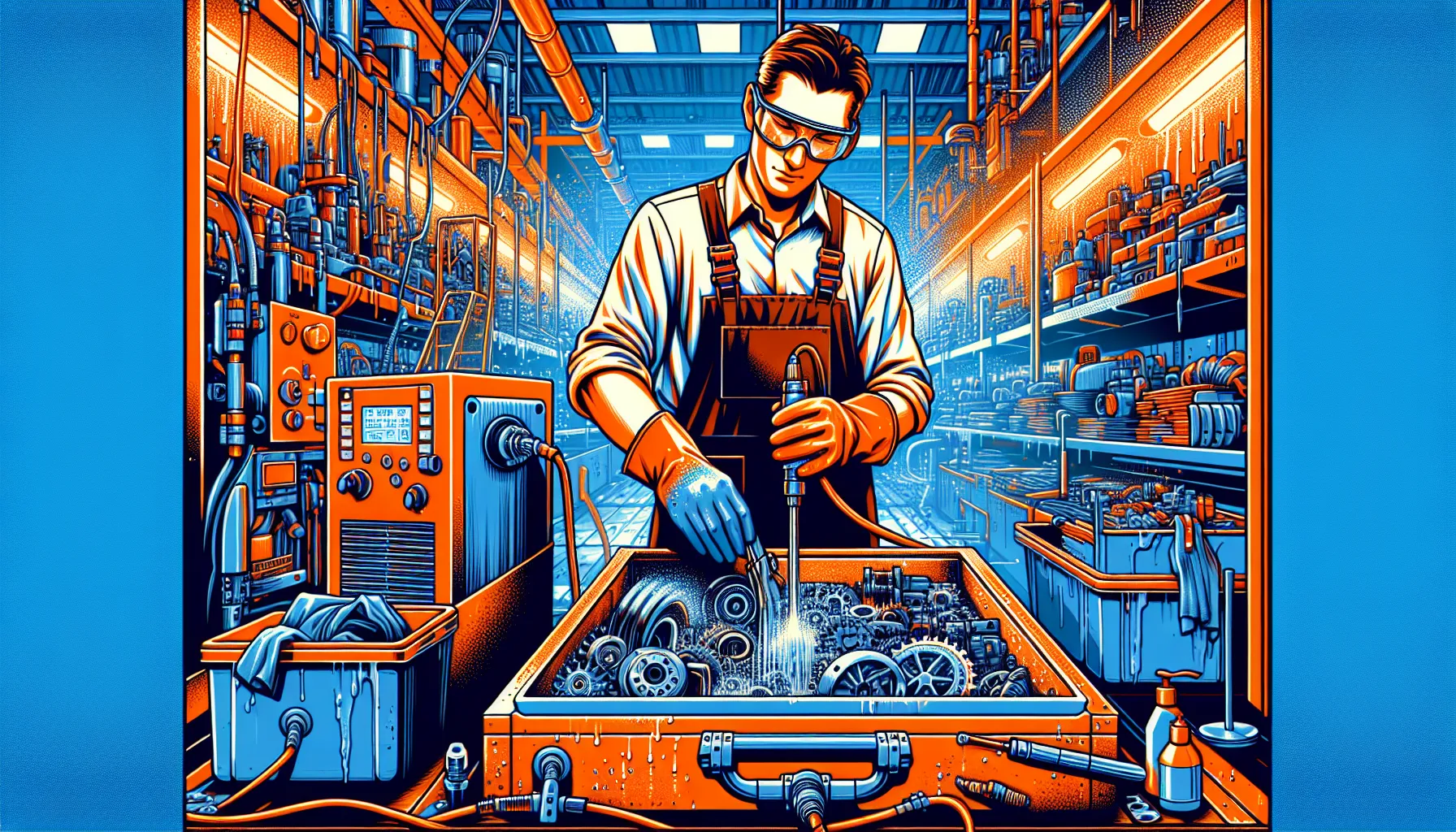
Grease and grime buildup presents challenges in industrial cleaning that demand specific methods. Let’s explore effective degreasing techniques suited to different needs and circumstances.
Solvent-Based Degreasing
Solvent-based degreasing uses chemical solutions to break down oil, grease, and other contaminants. These solvents are ideal for heavy-duty cleaning tasks, effectively dissolving stubborn residues on machinery and tools. They’re especially useful in environments where water-based methods might not suffice. However, proper handling and ventilation are critical to avoid exposure risks and ensure compliance with safety standards.
Aqueous Degreasing
Aqueous degreasing combines water with detergents or cleaning agents to tackle grease effectively. It serves as a safer, more environmentally friendly alternative in settings where minimizing chemical usage is a priority. These solutions often operate with heated water or mechanical agitation, making them suitable for sensitive surfaces. For industries requiring safer and greener methods, this technique works well.
Ultrasonic Degreasing
Ultrasonic degreasing employs high-frequency sound waves to clean intricate or delicate parts. The vibrations generate microscopic bubbles in a cleaning solution that remove dirt and grease from hard-to-reach areas. This method is highly effective for precision parts, such as those found in electronics or medical equipment. It offers an efficient, thorough way to clean complex components without causing damage.
Vapor Degreasing
Vapor degreasing involves applying heated solvents in their vapor state to remove contaminants. This method thoroughly cleans surfaces, especially those with intricate shapes, without leaving residues. It’s commonly used for metal components or parts requiring a dry, residue-free finish. The closed-system design of vapor degreasing equipment also limits solvent loss and maximizes efficiency.
What combination of these techniques would best meet your industrial cleaning challenges?
Advantages And Disadvantages Of Key Techniques
Different industrial degreasing methods come with their own benefits and challenges. Choosing the right one can significantly impact efficiency, safety, and environmental performance. Let’s explore how each method measures up in key areas.
Efficiency And Cost Considerations
Some methods provide faster results but can be expensive, while others are budget-friendly but more time-consuming. Solvent-based degreasing rapidly dissolves oil and grease but involves higher material and disposal costs. Water-based solutions offer a cost-efficient alternative, though they may require longer cleaning cycles for tougher buildup. High-pressure systems clean large surfaces quickly but need higher energy input.
Manual cleaning is affordable upfront but time-intensive for large-scale removal. Automated systems excel in time efficiency for high-volume tasks but have significant initial investment costs. What’s your priority, speed or affordability? Evaluating these factors helps match the technique to your budget and operational needs.
Environmental Impact
Degreasing impacts aren’t limited to the immediate workspace. Solvent-based methods often contain volatile organic compounds, presenting disposal challenges and regulatory restrictions. Water-based and aqueous techniques reduce harmful chemical use, though still requiring proper wastewater management. Vapor degreasing minimizes liquid waste but generates airborne emissions.
Ultrasonic degreasing stands out with minimal byproduct generation, although sourcing biodegradable cleaning agents can further enhance eco-friendliness. What steps can we take to make cleaning practices more environmentally mindful while maintaining effectiveness? Striking this balance requires thoughtful planning.
Safety Concerns
Every method poses potential safety risks, emphasizing the need for proper precautions. Handling solvent-based solutions can expose workers to toxic fumes and skin irritation without adequate ventilation or protective equipment. High-pressure systems risk surface damage and operator injury if used improperly.
Water-based and ultrasonic methods are generally safer but don’t eliminate risks entirely. Steam and heated liquid can lead to burns, and vibrations in ultrasonic tanks demand careful handling. Do the techniques we choose prioritize both worker well-being and operational safety? Identifying hazards early fosters a safer work environment.
Selection Criteria For Industrial Degreasing Techniques
Choosing the right industrial degreasing technique involves evaluating several critical factors. Effective methods depend on specific operational needs, materials, and contaminants. By focusing on core considerations, we help create a safer and cleaner work environment.
Material Compatibility
Material properties determine which degreasing method works best. For example, solvent-based degreasers remove heavy oil effectively but may damage soft plastics. Non-corrosive, water-based solutions are better suited for sensitive surfaces such as aluminum. Before selecting a technique, we assess the material’s resistance to chemicals, heat, and abrasion to avoid unintended damage. Are the materials in your operation prone to chemical reactions or surface degradation?
Industry-Specific Requirements
Different industries demand varied cleaning needs. In food processing, degreasers must comply with safety and hygiene standards. Aerospace operations often rely on precision cleaning for intricate parts, while automotive facilities need methods to manage thick grease buildup. We recommend identifying contaminants and operational standards specific to your industry before finalizing a technique. Does your industry have strict compliance guidelines or sensitive equipment to protect?
Maintenance And Scalability
Routine maintenance impacts the ongoing costs and performance of a degreasing method. Automated systems streamline cleaning but require regular upkeep. Manual methods may offer more control but increase labor costs for large-scale operations. Scalability also matters in environments where demand fluctuates. Larger facilities might benefit from systems that can adapt to increased workloads. How do your operational demands affect the cleaning solution you choose?
Emerging Trends And Innovations
Technology is transforming industrial degreasing, introducing methods that are cleaner, faster, and safer. Industries are adopting eco-friendly alternatives, aiming to reduce environmental impact while maintaining high performance. For instance, bio-based solvents, derived from renewable resources, are replacing traditional solvents to minimize harmful emissions. These solutions meet both cleaning requirements and sustainability goals.
Automation is another significant trend. Advanced robotic cleaning systems are improving efficiency, especially in large-scale operations where consistency is crucial. These systems minimize human labor and reduce exposure to potentially hazardous cleaning agents. How can integrating automation enhance your cleaning processes?
Nanotechnology is creating new possibilities in degreasing. Nano-coatings applied to surfaces prevent grease buildup, reducing the frequency of cleaning cycles. This technology is particularly useful in industries where downtime costs are high. Could nanotechnology reduce maintenance needs in your operations?
Digital monitoring tools are making equipment cleaning more precise. Sensors now track surface cleanliness, ensuring accurate application of degreasers and avoiding unnecessary product waste. Adopting such tools enhances overall cleaning quality and minimizes costs over time.
Innovations continue to address industry-specific challenges. In aerospace, ultrafine cleaning methods like plasma-assisted degreasing meet stringent standards for delicate components. In food processing, biodegradable agents align with health and safety regulations. What methods would best serve your industry requirements and objectives?
Conclusion
Selecting the right industrial degreasing technique is essential for maintaining safety, efficiency, and sustainability in any operation. As industries evolve, so do the methods and technologies available to tackle grease and grime effectively.
By staying informed about advancements like eco-friendly solutions, automation, and industry-specific innovations, we can ensure our cleaning processes align with both operational goals and environmental responsibilities. Choosing the most suitable approach not only enhances performance but also supports long-term success.
Frequently Asked Questions
What is industrial degreasing, and why is it important?
Industrial degreasing refers to the process of removing grease, oil, and grime from equipment, surfaces, and machinery in industrial settings. It is important because it ensures safety, increases efficiency, prolongs equipment lifespan, and reduces the risk of accidents caused by slippery residues or equipment malfunction.
What are the common industrial degreasing techniques?
Common techniques include solvent-based degreasing, water-based degreasing, manual scrubbing, automated systems, high-pressure methods, aqueous degreasing, ultrasonic cleaning, and vapor degreasing. The choice depends on factors like the type of contaminants, material compatibility, and environmental considerations.
How do solvent-based and water-based degreasers differ?
Solvent-based degreasers quickly dissolve heavy grease and oils but may involve higher costs and safety risks, while water-based degreasers use water and cleaning agents for a safer, eco-friendly approach, though they may require more time for heavy-duty cleaning.
Are automated degreasing systems better than manual methods?
Automated degreasing systems improve efficiency, consistency, and reduce labor demands, making them ideal for high-demand operations. Manual methods, however, are better for targeted cleaning tasks or areas with delicate parts that need precision.
What are some eco-friendly degreasing options?
Eco-friendly options include water-based degreasers, bio-based solvents, biodegradable agents, and aqueous degreasing. These methods reduce environmental impact by minimizing emissions, toxic chemicals, and hazardous waste.
What safety precautions are necessary for industrial degreasing?
Safety precautions include wearing personal protective equipment (PPE), ensuring proper ventilation, following manufacturer instructions, and using non-flammable, non-toxic degreasers when possible. Workers must also be trained in handling chemicals and equipment.
How do I choose the best degreasing technique for my industry?
Consider factors like material compatibility, the type of contaminants, cleaning standards required for your industry (e.g., food safety or aerospace precision), cost, and scalability. Evaluate both performance and environmental impact before making a decision.
What are the benefits of ultrasonic degreasing?
Ultrasonic degreasing uses high-frequency sound waves to clean intricate details and hard-to-reach areas. It is gentle on delicate parts, highly effective for precision cleaning, and often used in industries like aerospace and electronics.
How does nanotechnology improve industrial degreasing?
Nanotechnology prevents grease buildup by applying nano-coatings that repel dirt and oils, reducing the frequency of cleaning. It can also enhance surface protection, improve efficiency, and lower maintenance costs over time.
What are the latest trends in industrial degreasing?
Emerging trends include the use of bio-based solvents, automation through robotic cleaning systems, nanotechnology coatings to prevent grease, and digital tools for precise monitoring of cleanliness. These innovations enhance safety, efficiency, and sustainability.