

Facility Cleaning Risk Assessment Checklist: Ensure Safety & Cleanliness

Disposal of Hazardous Cleaning Materials: Safe and Legal Methods
September 11, 2025
Janitorial Training Program Standards: Ensuring Quality and Safety
September 11, 2025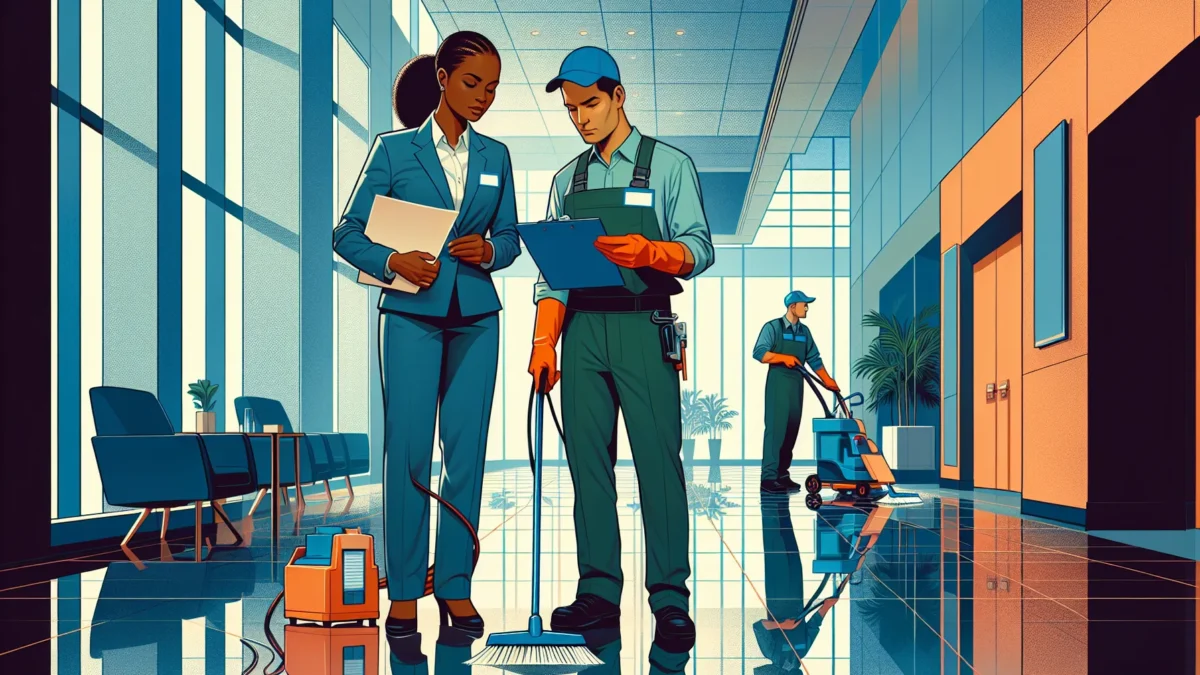
Keeping facilities clean and safe isn’t just about appearances—it’s about protecting everyone who walks through the door. We know that every building faces different challenges, from high-traffic floors to restrooms that need extra attention. Have you ever wondered how to spot potential risks before they become bigger problems?
A facility cleaning risk assessment checklist helps us focus on what matters most: health, safety, and efficiency. By using a clear checklist, we can identify hazards, prioritize tasks, and make sure nothing gets overlooked. What concerns do you have about your facility’s cleaning routine? Let’s explore how a simple checklist can give us peace of mind and a cleaner, safer environment for everyone.
Strengthen Safety with a Facility Cleaning Risk Assessment Checklist
Protect your building’s occupants and boost cleaning efficiency by partnering with Summit Janitorial. Our experienced team uses detailed commercial cleaning risk assessments to spot hazards early, prioritize tasks, and maintain a healthy environment for everyone who walks through your doors. Ready to safeguard your facility and streamline your cleaning routine? Contact us today or get a quote to get started.
Understanding Facility Cleaning Risk Assessment
Effective facility cleaning risk assessment focuses on identifying hazards and evaluating cleaning routines. We look at every area, from high-traffic entryways to less-frequented utility rooms. Are you noticing frequent spills in certain zones, or have you observed unusual buildup in restrooms after busy periods? These observations lay the groundwork for a solid risk assessment.
Cleaning risks in a facility often come from overlooked details. Floors with different surfaces—carpet, tile, vinyl—may need specialized cleaning techniques to prevent slips. Have staff ever mentioned needing special products or extra time for certain areas? Gathering feedback from those who know the site best, such as employees or maintenance teams, brings hidden concerns to light.
Restrooms present high hygiene risks. We give extra attention to fixtures, door handles, and dispensers, knowing they collect germs quickly. Would your team benefit from clear guidelines about which areas see the most use and how often deep sanitation is performed?
Windows and exterior glass require careful assessment, too. Smudges and stuck debris impact both appearance and perception of cleanliness. Have you received comments from occupants about the view or indoor light? These details signal where cleaning schedules may need adjustment.
A thorough risk assessment helps cleaning teams prioritize tasks, match supplies to real needs, and set cleaning frequencies that make sense. Open questions and shared observations move the process forward. What areas do you worry about most, and have any specific cleaning challenges surfaced recently? When we ask and listen, we create a safer, cleaner environment for everyone using the facility.
Key Components of a Facility Cleaning Risk Assessment Checklist
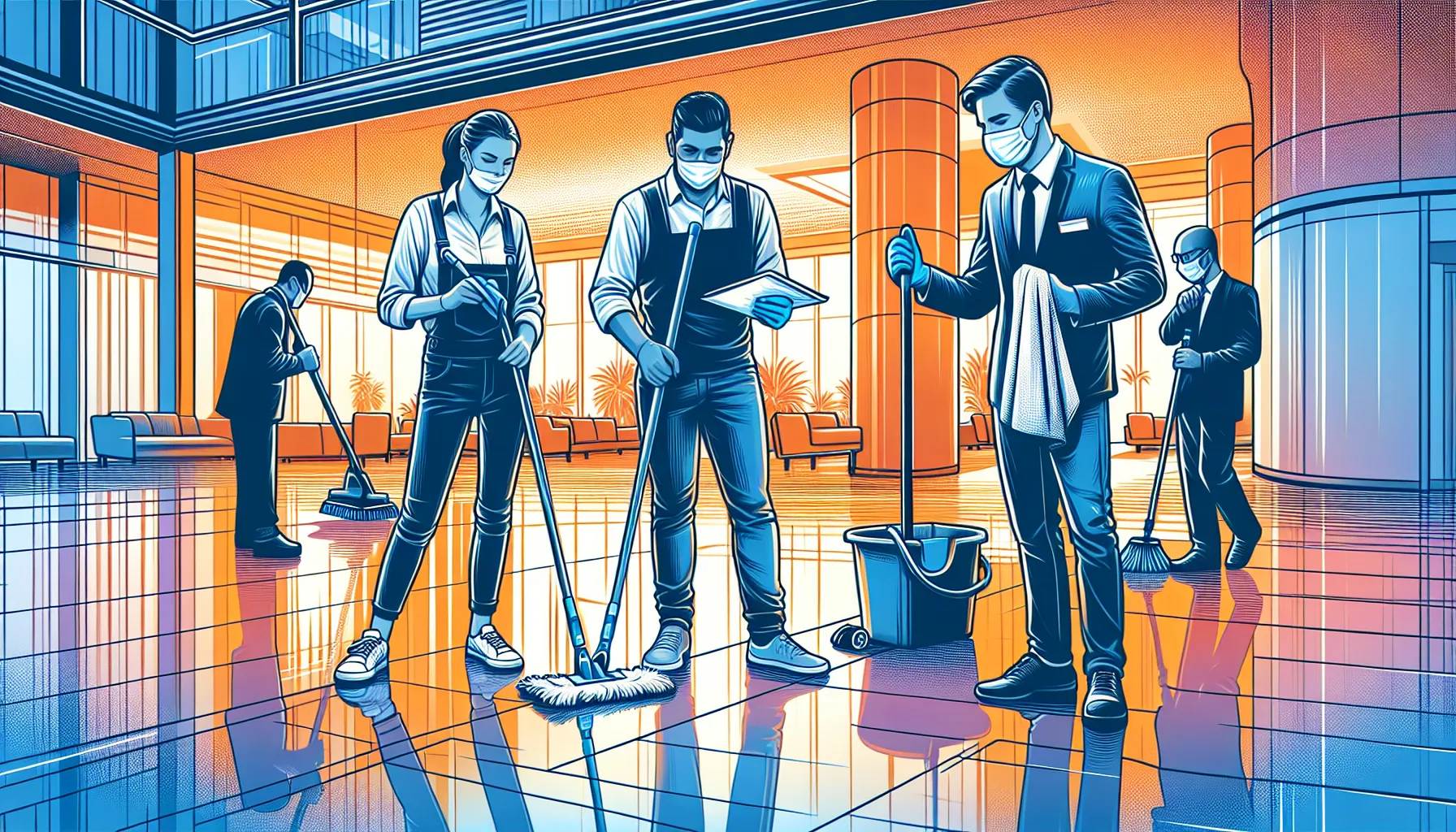
Every facility faces its own set of challenges in maintaining a clean and healthy space. A well-structured risk assessment checklist guides us in evaluating these challenges, allowing us to focus resources where they’re needed most. How confident are we that our current checklist addresses all critical areas?
Identifying Hazards and Risks
We start by listing all spaces and surfaces within the facility, from busy lobbies to overlooked utility rooms. Have we considered every possible source of contamination? Restrooms, high-traffic entryways, and kitchen areas rank among the most vulnerable spots. Specific hazards—like slippery floors after mopping, chemical exposure during restroom sanitation, or the spread of pathogens in healthcare environments—get identified through regular staff feedback and observation. Reviewing cleaning records can help spot trends, such as recurring stains on carpets or smudges on windows.
Assessing Frequency and Exposure
We base cleaning schedules on how often spaces are used and how much people interact with each surface. Are some areas cleaned less than they should be? Entry doors, elevator buttons, and restroom fixtures usually require daily attention, while areas like conference rooms or storerooms may only get moderate use. By tracking foot traffic patterns, we adjust cleaning frequencies to focus on locations with the highest exposure risk. Reviewing past incidents, like slips or outbreaks of illness, also informs how we set these priorities.
Control Measures and Safety Protocols
We apply safety measures that fit the risks identified. Are our teams using the right tools and methods for each hazard? For example, staff follow set protocols for restroom sanitation, including using EPA-approved disinfectants and personal protective equipment. Floor care tasks like carpet cleaning, stripping, waxing, and polishing demand proper ventilation and signage to reduce slips. Window cleaning typically requires safe ladder use and secure access procedures. Regular training keeps these standards fresh and reinforces the importance of following protocols. We also maintain clear communication with staff to encourage reporting of potential issues as soon as they arise.
What challenges do we see in keeping our facility both safe and spotless?
Steps to Create an Effective Risk Assessment Checklist
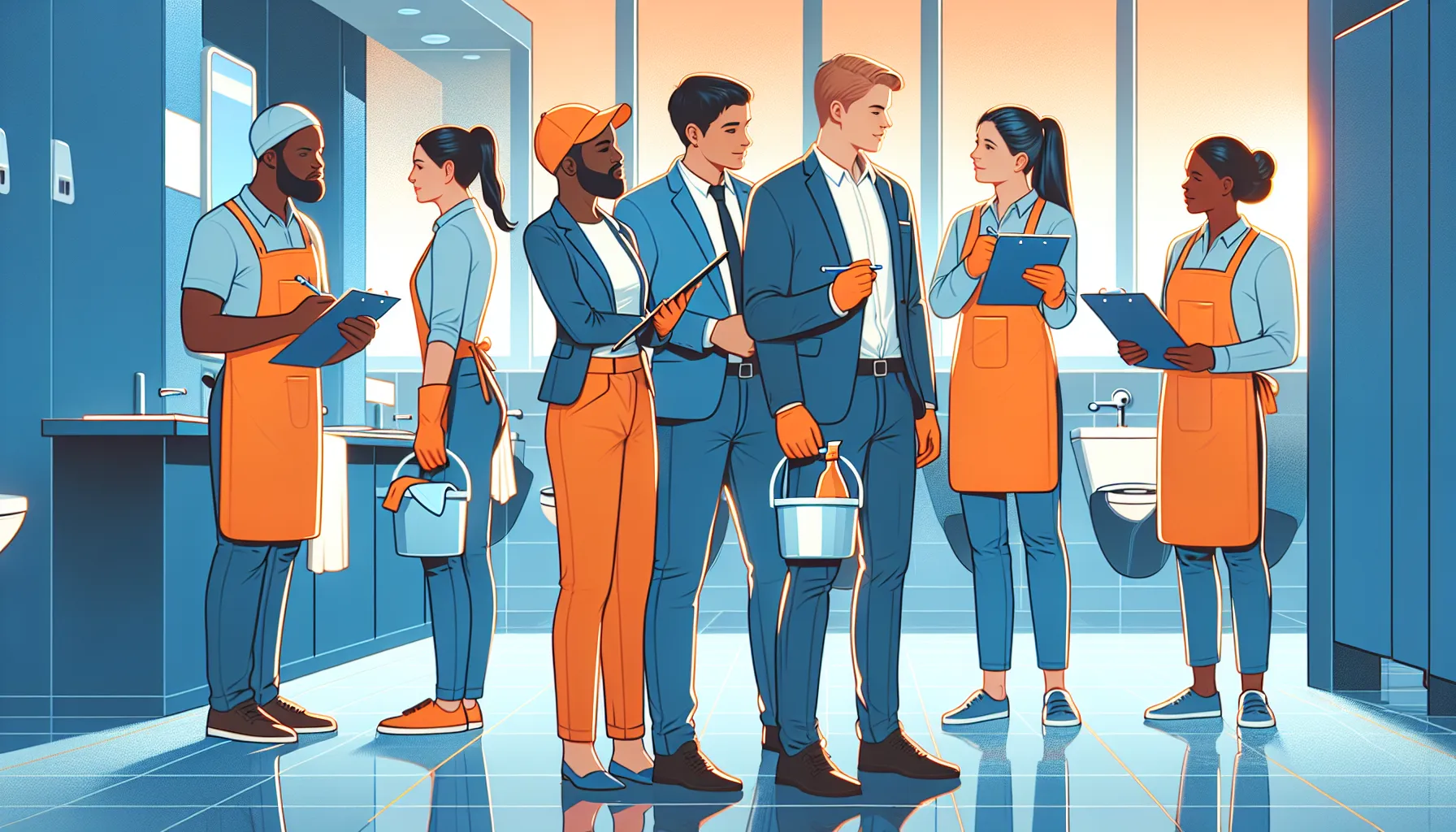
Creating a facility cleaning risk assessment checklist makes your cleaning process more reliable and thorough. By following clear steps, we can spot hazards early and support a safer, healthier environment for everyone. What specific concerns have you noticed in your facility that deserve more focus?
Site Inspection and Evaluation
Site inspections start by walking through each area, noting locations with high foot traffic, unique surfaces, and extra-sensitive zones like restrooms and kitchens. During these walk-throughs, we look for slip risks on floors, hard-to-reach windows that could affect appearance, and spots where dirt collects quickly. Gathering input from staff who work in these spaces daily helps identify blind spots we might otherwise miss. Which areas in your facility have patterns of frequent issues, and how do you currently address them?
Documentation and Record Keeping
Documenting findings gives us a clear record of hazards, cleaning needs, and changes over time. We recommend listing concerns by location, noting who reported them, and marking cleaning frequency adjustments. Good records help spot trends, such as repeated cleaning issues in restrooms or persistent streaks on windows. Storing inspection reports and cleaning logs in a central place keeps the team informed and accountable. How does your current documentation process help you track and solve ongoing cleaning challenges?
Implementing and Reviewing the Checklist
Implementing a facility cleaning risk assessment checklist helps us spot potential issues quickly and address them before they become problems. Regularly reviewing and updating the checklist also keeps our cleaning routine relevant and effective. What obstacles have you faced while trying to keep cleaning standards high in your facility?
Staff Training and Communication
Staff training and communication play a critical role in successful checklist implementation. We start by offering easy-to-follow instructions for each checklist item so every team member feels confident about what to look for and how to report concerns. Clear communication means everyone knows who to contact about new risks or cleaning challenges. We maintain open channels to encourage feedback and clarify procedures. How often do you discuss cleaning risks or new protocols with your staff?
Continuous Improvement and Updates
Continuous improvement and regular updates keep the checklist practical and responsive to changing needs. We schedule routine reviews to spot trends in cleaning challenges or identify steps that need adjustment. Input from cleaning staff and comments from building users guide small changes that make a big difference in outcomes. There’s always opportunity to refine the process—what’s one change to your routine that made cleaning noticeably better?
Conclusion
When we make risk assessment a regular part of our facility cleaning routine we set the stage for a safer and healthier environment. By using a checklist and encouraging open communication with our teams we’re better equipped to stay ahead of potential issues and maintain high standards.
Let’s keep looking for ways to improve our processes so everyone who enters our facility can feel confident in its cleanliness and safety.
Frequently Asked Questions
What is a facility cleaning risk assessment checklist?
A facility cleaning risk assessment checklist is a tool used to identify cleaning hazards, set priorities, and ensure all critical areas of a facility are regularly and safely cleaned. It helps maintain a safe and healthy environment for everyone.
Why is cleanliness important for facility safety?
Cleanliness reduces health risks, controls the spread of germs, and prevents accidents like slips and falls. Maintaining clean spaces is essential for the overall safety and well-being of building occupants and visitors.
What areas of a facility need the most attention during cleaning?
High-traffic zones, restrooms, kitchens, and entryways typically require more frequent and thorough cleaning because they pose higher health and safety risks compared to less-used areas.
How does staff feedback improve cleaning routines?
Staff feedback helps uncover overlooked cleaning challenges and hazards. Employees working in the facility daily can identify blind spots and suggest practical improvements for safer and more efficient cleaning.
What hazards should be included in a cleaning risk assessment?
Common hazards include slippery floors, chemical exposure, improperly stored cleaning supplies, and insufficient ventilation. Each facility should identify risks specific to its environment and usage.
How often should a facility cleaning checklist be reviewed?
A facility cleaning checklist should be reviewed regularly, at least quarterly, or whenever processes or facility usage change. Routine reviews help ensure that cleaning protocols remain effective and up-to-date.
What role does documentation play in cleaning risk assessment?
Keeping records of assessments and cleaning tasks helps identify trends, track improvements, and ensure accountability. Documentation also supports compliance with safety standards and helps plan future cleaning needs.
Why is staff training important for cleaning safety?
Proper training ensures staff know how to use cleaning tools and chemicals safely, follow the checklist, and report issues. This reduces accidents and boosts confidence in maintaining a clean, safe facility.
How can a facility adapt its cleaning checklist over time?
By routinely collecting staff input and user feedback, facilities can adjust cleaning frequencies, update safety protocols, and add new tasks as needs evolve, ensuring ongoing cleanliness and safety.
What are the first steps in creating a facility cleaning risk assessment checklist?
Begin by inspecting all areas of the facility to identify hazards, high-traffic zones, and specialized surfaces. Involve staff in the process and document findings by location for ongoing review and improvement.