Keeping your windows spotless in a busy commercial space is no small feat. We all know how quickly dust, fingerprints, and water spots build up, taking away from a building’s first impression. Are you looking for practical guidance to tackle high windows, persistent streaks, or just achieve next-level shine every visit? We’ve been there, and we get the pressure to provide a consistently clean and welcoming environment, for your clients and your team. In this guide, we’ll walk through commercial window cleaning tips that are easy to carry out, safe, and proven in professional settings. Let’s explore how the right approach can make all the difference.
Make Your Business Shine with Professional Window Cleaning
Elevate your building’s appearance with Summit Janitorial. Our commercial cleaning team delivers spotless, streak-free windows that enhance curb appeal and let in more natural light. Using eco-friendly products and proven safety techniques, we ensure every pane sparkles—inside and out. Ready to give your business a clear advantage? Contact us today or get a quote to get started.
Understanding the Importance of Clean Windows for Businesses
Clean windows communicate attention to detail and care, qualities that matter in every commercial setting, from office complexes to retail storefronts. When sunlight streams in without obstruction, workspaces feel brighter and more productive. Visitors notice clear windows, drawing positive conclusions about how you manage your facility overall. Dirty glass, on the other hand, often translates to neglected maintenance and can even deter potential clients.
Beyond appearance, regular window cleaning helps preserve the glass, frame, and sealants. Dust and grime can corrode surfaces over time, leading to expensive repairs. Indoor air quality also improves when exterior pollutants are kept at bay. Clean windows support the overall hygiene of your building, which is essential for both employee health and customer satisfaction.
So, is your business putting its best face forward? Investing time in window care pays dividends in curb appeal, safety, and client trust.
Essential Tools and Supplies for Commercial Window Cleaning
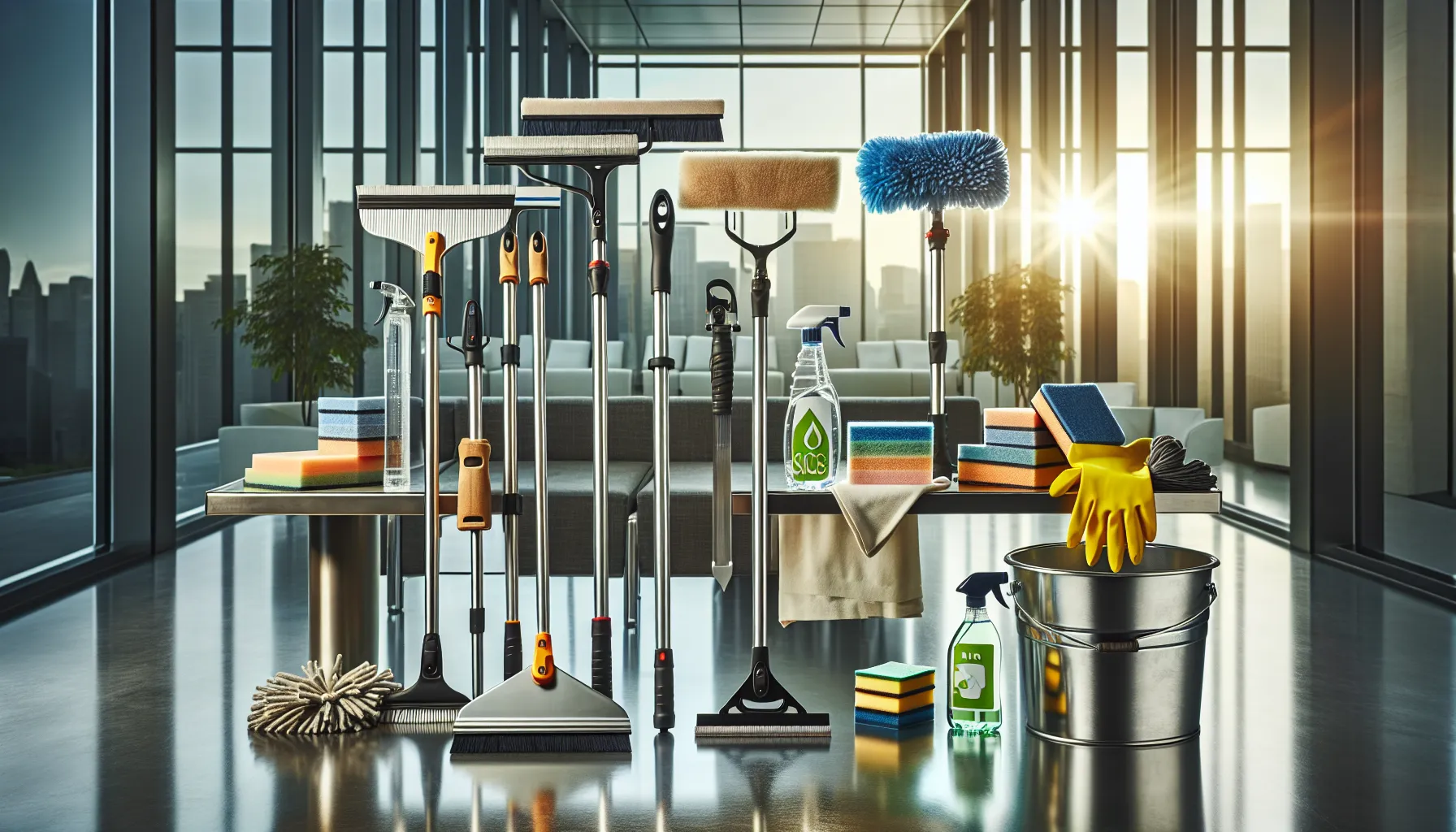
The right tools make all the difference. We find it helps to have a dedicated kit for window cleaning to keep things organized and ready. At a minimum, you’ll want:
Squeegees in various sizes: High-quality rubber blades reduce streaks
Extension poles: For hard-to-reach areas and safety from the ground
Microfiber cloths: Lint-free and quick-drying, perfect for detailing
Scrubbers and sponges: For loosening dirt and stubborn residues
Buckets: Preferably two, one for clean solution, one for rinsing
Eco-friendly window cleaning solution: Safe for surfaces and reduces streaking
Razor scrapers: For removing stickers or paint spots (with caution)
Personal protective equipment (PPE): Gloves, safety goggles, and non-slip shoes
We recommend inspecting your equipment before each job, damaged or worn blades and cloths can cause more harm than good. For multi-story buildings, professional-grade ladders or aerial work platforms may be necessary, but always check local regulations and use safety gear.
Step-by-Step Guide to Professional Window Cleaning
A systematic approach leads to consistently clean windows.
1. Prep the Area
Move furniture, signage, or obstacles from the cleaning zone. Lay down towels or tarps if needed to catch drips, this shows respect for interiors and tenants.
2. Dry Dust and Inspect
Use a dry microfiber cloth or duster to remove loose debris from glass and frames. Take note of trouble spots: tape residue, mineral stains, or greasy handprints.
3. Wet Wash
Dip your scrubber in the cleaning solution and work from top to bottom. Tackle corners and edges carefully, as dirt collects here first. For very dirty panes, let the solution dwell a minute before scrubbing.
4. Squeegee Technique
Starting at the top corner, pull the squeegee in steady, overlapping strokes. Wipe the blade with a microfiber cloth after each pass, dry blades glide better and prevent backtracking drips.
5. Detail Finishing
Use a clean cloth to detail the edges and sills. If streaks remain, a quick buff with a dry towel does the trick.
6. Inspect and Touch Up
Step back, check from a few angles, and touch up any missed spots. We find a final walkaround often reveals small smudges that are easy to fix. Most importantly, don’t rush, a little extra attention here sets the standard.
Safety Considerations for Commercial Window Cleaning
Safety is our top priority, especially in commercial spaces. Even one misstep can lead to injury or costly damage. Always start with a review of your workplace guidelines and check the area for risks like slippery floors or electrical hazards.
If your building has high windows, use extension poles or approved equipment instead of climbing whenever possible. When ladders are necessary, only use commercial-grade models and position them on stable, dry surfaces. Keep three points of contact at all times, and never overreach, moving the ladder only takes a moment and prevents accidents.
For windows above the second floor, aerial lifts may be required. Only trained personnel should operate this equipment, and fall protection harnesses are essential. Check all PPE before use, and never work alone in these situations.
We encourage everyone to report hazards immediately and reinforce that slow, careful work keeps everyone safe. Asking yourself, ‘Is this worth the risk?’ before starting any challenging spot can save time and trouble.
Common Challenges and How to Overcome Them
Commercial window cleaning isn’t without its obstacles. We’ve experienced everything from unpredictable weather to stubborn stains that refuse to budge. Here’s how we manage the most frequent issues:
Hard Water Spots: These mineral stains require patience. Apply a vinegar-based solution, let it sit, and then scrub gently. Repeat if needed, some deposits build up over months.
Sticky Residue: Window decals, tape, or paint flecks can be frustrating. A razor scraper held flat against the surface avoids scratching, but only use on fully wet glass.
Grease and Film: Kitchen or cafeteria windows often need extra attention. Use a mix of dish soap in warm water to break down oily residue before your regular pass.
Weather Delays: Windy or rainy days can make cleaning dangerous and ineffective. If possible, schedule cleanings for early mornings or overcast days, sunshine can dry cleaning solution too quickly, resulting in streaks.
What stubborn spots have given you trouble? Sometimes, sharing strategies leads to new solutions.
By addressing these challenges with patience and the right techniques, we keep windows looking their best year-round.
Best Practices for Maintaining Streak-Free Windows
Streak-free windows don’t happen by accident. Here are the habits we swear by for flawless panes:
Use the Right Product Ratio: Too much soap leaves residue: too little, and dirt stays behind. Test solution strength and adjust as needed.
Clean in the Right Order: Always start with the upper floors or windows and work your way down, preventing dirty runoff from spoiling clean work.
Work Out of Direct Sunlight: Bright sun can dry cleaner too fast, setting streaks before you’ve had a chance to squeegee.
Keep Tools Clean: Rinse cloths and blades frequently. Dirty tools undo all your hard work.
Change Water Regularly: Cloudy water re-deposits dirt, especially on larger jobs.
Routine Maintenance: Regular, scheduled cleanings help prevent mineral buildup and make the job faster each time. The cleaner the glass, the less effort needed in the future.
By building these habits into your cleaning routine, you’ll see a noticeable difference in quality and efficiency.
Conclusion
Sparkling windows make every commercial space brighter, more inviting, and healthier. We’ve learned the value of preparedness, safety, and methodical work through years on the job. Whether you’re responsible for daily cleanings or tackling seasonal deep-cleans, applying these commercial window cleaning tips will help you achieve great results, and notice the difference right away.
We invite you to ask questions, share your own tips, or reach out for support with your cleaning routine. Clean spaces start with clear views, and we’re here to help you set the standard.
Frequently Asked Questions About Commercial Window Cleaning Tips
What are the most essential tools for commercial window cleaning?
The most important tools include squeegees, extension poles, microfiber cloths, scrubbers, sponges, buckets, eco-friendly cleaning solutions, razor scrapers, and personal protective equipment (PPE). Having a dedicated kit helps ensure you’re always prepared for efficient commercial window cleaning.
How often should commercial windows be cleaned for best results?
Commercial window cleaning should be performed regularly to maintain appearance and window integrity. Most businesses schedule cleanings every 1–3 months, but frequency can increase in high-traffic or high-exposure areas. Routine cleaning prevents buildup and reduces long-term maintenance needs.
What is the best way to avoid streaks when cleaning commercial windows?
To achieve streak-free results, use a high-quality squeegee, clean tools frequently, and avoid cleaning in direct sunlight. Start from the top and work downward, changing water regularly. Ensuring the correct solution ratio also helps eliminate residue and improves shine.
How do you remove stubborn stains like hard water spots from commercial windows?
Apply a vinegar-based solution to hard water spots and let it sit before gently scrubbing. Repeat as needed for tough deposits. For decals or paint, a flat razor scraper on wet glass works best, but caution is needed to avoid scratches.
Why is it important to clean commercial windows regularly?
Regular commercial window cleaning enhances your building’s curb appeal and supports client trust. Clean windows protect the glass, frame, and sealants from damage, improve indoor air quality, and help maintain a healthy, professional environment for employees and visitors.
Can commercial window cleaning be done safely without hiring professionals?
Yes, with proper tools, safety equipment, and following commercial window cleaning tips, many routine jobs can be done in-house. However, for high-rise or challenging locations, it’s best to hire trained professionals who use the necessary safety protocols and equipment.