


Warehouse Floor Cleaning Methods: Effective Solutions for Every Facility

Commercial Window Cleaning Tips: A Clear Path to Spotless Results
October 17, 2025Greenville SC Disinfecting Services: Everything You Need to Know
November 23, 2025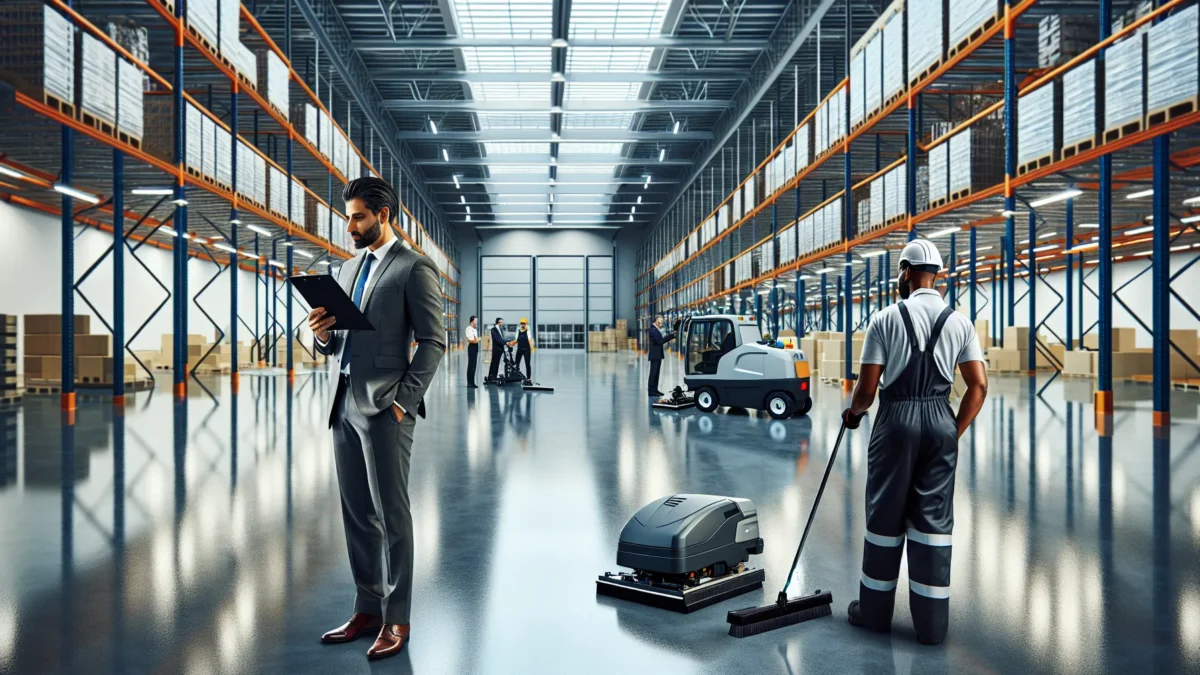
Warehouse floors take a beating. We know how fast dust, debris, and spills can pile up in a busy facility. Yet finding the right approach to keep those floors truly clean can be harder than it looks. Are you searching for cleaning solutions that go beyond a quick sweep? Or maybe you want to reduce safety risks and downtime without disrupting your operations?
You’re not alone. Many of us struggle to balance cleanliness, efficiency, and cost in large spaces. Let’s explore practical warehouse floor cleaning methods, from manual basics to powerful machines, so you can make confident decisions about maintaining your floors. Ready to get started?
Keep Your Warehouse Floors Clean, Safe, and Efficient
Enhance safety and productivity with Summit Janitorial. Our commercial cleaning experts know what it takes to maintain spotless warehouse floors—from daily sweeping to deep machine scrubbing. We remove dust, spills, and debris that can cause safety risks or slow down operations, helping your facility stay compliant and efficient. Ready to keep your floors shining and your team safe? Contact us today or get a quote to get started.
Importance of Keeping Warehouse Floors Clean
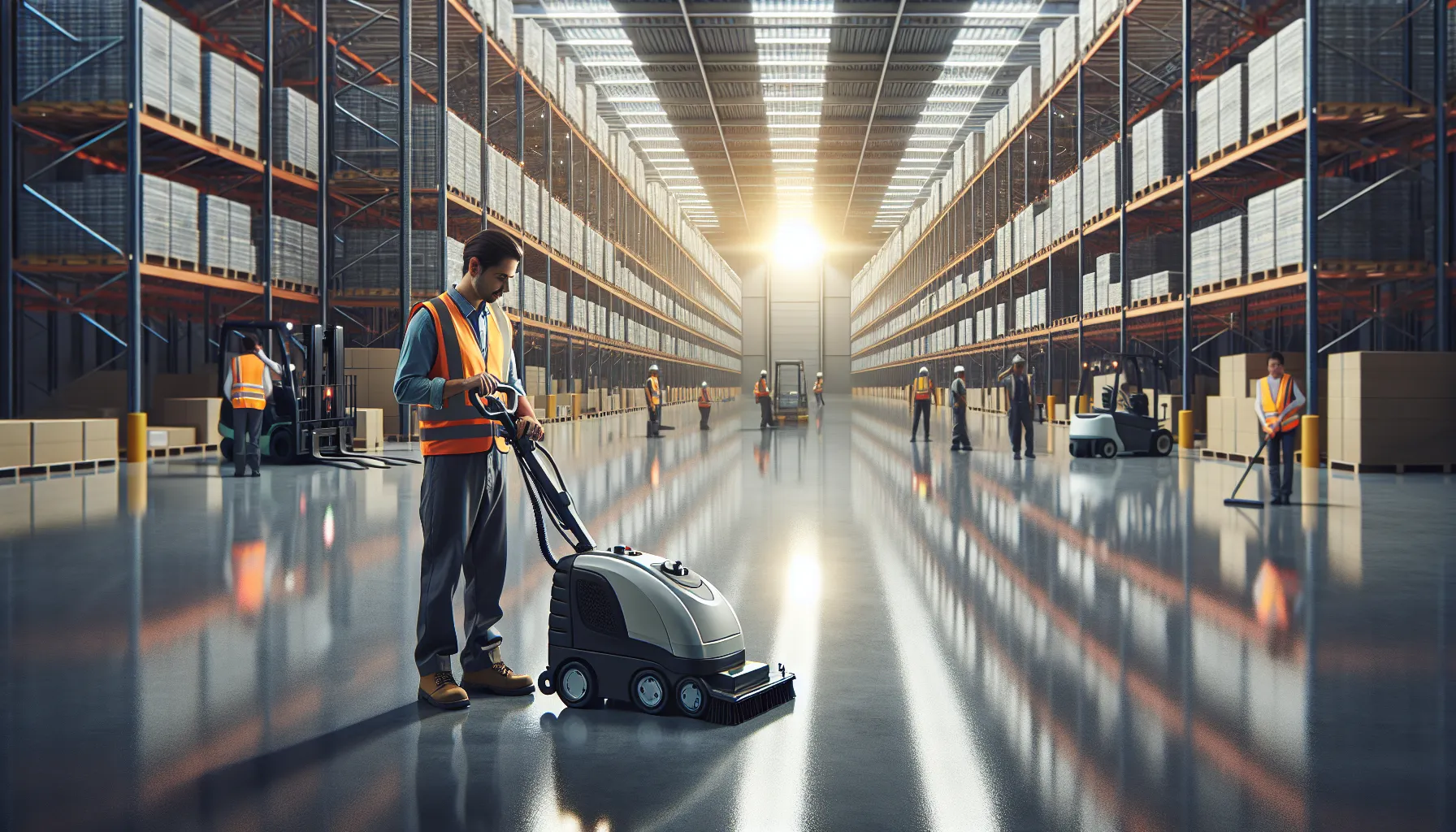
A clean warehouse floor is more than just an appearance issue. We’ve all seen how quickly dirt and debris can make their way into storage areas, loading docks, and walkways. But have you considered the impacts beyond looks?
First, safety comes front and center. Slips, trips, and falls are some of the most common workplace incidents, and most are preventable. Spilled oil, packing materials, or even a fine layer of dust can create hazards for staff navigating busy aisles. Keeping floors free from clutter and spills makes a direct difference in reducing accidents.
Second, there’s the matter of product quality. Contaminants on the floor can be transferred to inventory, causing unnecessary waste or even customer complaints. For facilities handling food or sensitive goods, cleanliness isn’t a luxury, it’s a compliance issue.
Last but not least, a consistently clean floor extends the lifespan of your flooring, lowers maintenance costs, and helps your operations run smoothly. Have you noticed equipment like forklifts leaving tire marks or tracking dirt? Regular cleaning reduces wear and tear on both floors and machinery. Clean floors also foster a sense of pride and professionalism among your team and visitors.
With all this in mind, how can we choose the right methods to fit both our facility and our goals? The answer depends on the floor itself.
Common Types of Warehouse Floors
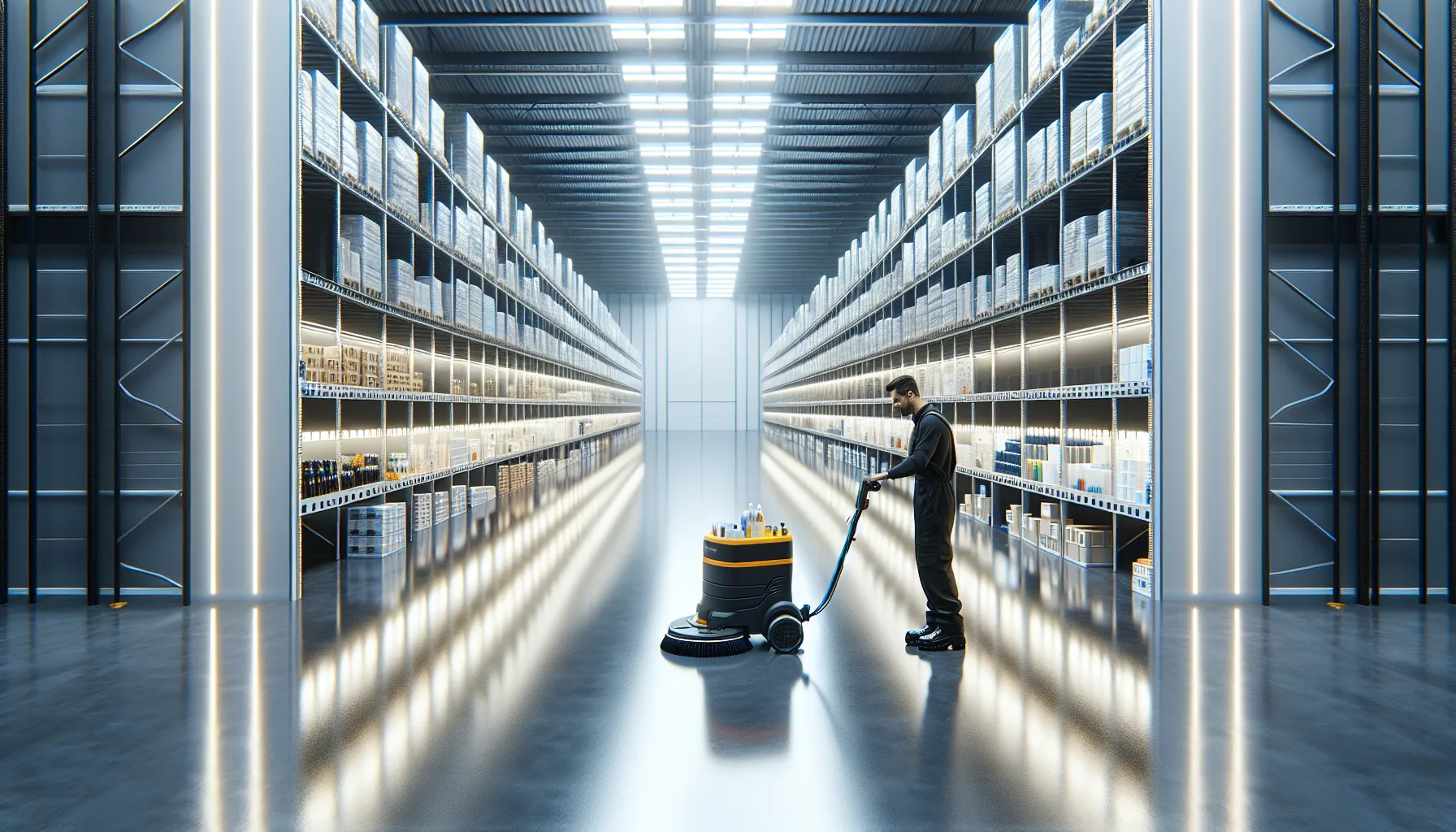
No two warehouses are exactly alike, and flooring is one area where variety can be surprising. We typically encounter several types of warehouse floors, each with its cleaning quirks:
- Sealed Concrete: Durable and a staple in many warehouses. While it holds up to heavy use, sealed concrete can trap oily residues, requiring regular deep cleaning.
- Epoxy Coated Floors: Known for their chemical resistance and easy-to-clean surfaces. These floors still need attention to avoid scratching and buildup.
- Painted Concrete: Offers a smoother finish but can be prone to chipping and wear, especially in high-traffic areas.
- Tile or Vinyl: Less common, but present in some specialty or temperature-controlled environments. Grout lines can trap dust and liquid.
Why does type matter? Cleaning techniques and products right for one material might damage another. For example, harsh chemicals can erode painted finishes, and aggressive scrubbing might wear down epoxy. We always recommend checking flooring manufacturer guidelines before introducing new cleaning products or equipment.
Now, let’s look at practical methods available for keeping these floors spotless.
Manual Cleaning Methods
Manual cleaning serves as the foundation for most warehouse maintenance routines, particularly in tight spaces or when machinery isn’t practical. Here’s how we approach it:
Sweeping
Sweeping is usually our first line of defense. Using wide push brooms or dust mops, we remove surface debris, dust, and loose dirt. Frequent sweeping keeps small particles from accumulating and causing slip hazards. Don’t underestimate this simple step, it’s key to maintaining safety.
Spot Cleaning
Accidents happen, and spot cleaning is our quick fix. We use mops or cloths to soak up spills, addressing potential hazards immediately. For stubborn stains, gentle scrubbing with appropriate cleaners protects both the floor and staff.
Mopping
Manual mopping, either with string mops or flat microfiber systems, removes grime left behind after sweeping. We select cleaning solutions that suit the flooring material, always wringing mops well to prevent excess water that could cause slips or seep into cracks.
Scrubbing by Hand
Corners, tight aisles, and problem spots sometimes demand more attention. Hand-held brushes and pads help lift residues from grout lines and around equipment.
Manual cleaning is budget-friendly and gives us flexibility. Still, it’s labor-intensive and better suited for smaller spaces or touch-ups, not for tackling dust in large high-traffic areas every day. That’s where mechanical options come into play.
Mechanical Cleaning Methods
Tackling thousands of square feet manually isn’t efficient for most facilities. Mechanical cleaning methods boost productivity, improve consistency, and, when used regularly, can extend the life of warehouse floors. Here’s what we use:
Floor Sweepers
Mechanical sweepers, either walk-behind or ride-on, make short work of dust, sawdust, packaging fragments, and other debris. They use rotating brushes and vacuums to collect particulate matter quickly, often finishing in a fraction of the time of manual brooms. For large warehouses, ride-on models are a game-changer.
Scrubber-Dryers
Automated floor scrubbers use rotating pads or brushes to agitate dirt while dispensing water and cleaning agents, followed by squeegees that lift the solution away. The result is a clean, nearly dry surface in one pass. These machines come in a range of sizes, allowing us to match the unit to our facility size and floor type.
Buffers and Polishers
In facilities with epoxy or finished concrete floors, mechanical buffers and polishers restore gloss and remove scuffs. They also help seal the surface, which can offer added protection against stains, especially in areas subject to heavy wheel traffic.
Specialized Equipment
For specific needs, like wet/dry vacuums after flooding or heat-based cleaning systems for grease, specialized machinery may be necessary. We always assess the particular challenges of the floor before bringing in additional equipment.
Mechanical cleaning offers high efficiency, but it does require upfront investment and regular maintenance of the machines themselves. When used alongside manual methods, it provides comprehensive results with a noticeable impact on both cleanliness and productivity.
Choosing the Right Cleaning Method for Your Warehouse
Not sure whether to stick with manual methods or invest in machine cleaning? We get that every facility brings its own set of challenges. The right choice often depends on:
- Floor Type: As mentioned above, certain machines or chemicals may be suitable only for specific materials.
- Size of the Warehouse: Larger spaces favor mechanical solutions, but small storage areas may do just fine with manual techniques.
- Frequency of Cleaning: Daily sweeping can often be completed manually. Deep cleaning generally calls for machines, especially in high-traffic or spill-prone zones.
- Budget: Mechanical equipment is an investment, but over time, it often lowers labor costs and cleans more consistently on a set schedule.
- Staffing: Does your team have the resources and training to operate advanced machines? If not, consider working with a professional cleaning service.
Some companies also opt for a hybrid approach: daily sweeping and spot-mopping combined with weekly or monthly mechanical scrubbing. This helps balance day-to-day tidiness with periodic deep cleans.
For those in industries with strict sanitation standards, like food storage or healthcare, outsourcing to specialists who understand not just the tools but also compliance rules can offer peace of mind.
Conclusion
Maintaining spotless warehouse floors pays off in safety, compliance, and long-term savings. We’ve seen firsthand how a blend of the right tools and a detailed cleaning plan can make a real difference. From simple sweeping to sophisticated machines, every method has its place. The goal is always the same: cleaner floors, safer staff, and stronger operations.
Are you ready to upgrade your warehouse floor cleaning strategy? A thoughtful approach helps us all keep our facilities shining and our teams proud of their workspaces.
Frequently Asked Questions About Warehouse Floor Cleaning Methods
What are the best warehouse floor cleaning methods?
The best warehouse floor cleaning methods combine both manual and mechanical techniques. Manual sweeping, spot cleaning, and mopping are ideal for daily upkeep, while mechanical sweepers, scrubber-dryers, and polishers provide deeper, more efficient cleaning for larger areas and high-traffic zones.
How often should warehouse floors be cleaned?
Frequency depends on traffic, activity, and facility type. Generally, daily sweeping and quick spill cleanups are recommended, while more thorough mechanical cleaning should be done weekly or monthly, especially in busy or compliance-sensitive environments.
Which cleaning method is best for epoxy coated warehouse floors?
For epoxy coated warehouse floors, use gentle cleaning solutions and avoid abrasive tools. Mechanical scrubber-dryers with soft pads or brushes are effective for regular cleaning, while manual mopping works well for maintenance in less trafficked areas.
Can improper warehouse floor cleaning damage flooring?
Yes, using the wrong cleaning methods or harsh chemicals can damage warehouse flooring. For example, aggressive scrubbing can wear down epoxy or painted surfaces, and inappropriate cleaners may erode finishes. Always follow the manufacturer’s recommendations for your specific floor type.
Are there benefits to hiring a professional warehouse floor cleaning service?
Professional cleaning services offer expertise, access to advanced equipment, and adherence to industry compliance standards. This can be especially beneficial for large facilities, warehouses needing specialized sanitation, or operations lacking staff trained in using cleaning machinery.
What safety risks are reduced by regular warehouse floor cleaning?
Regular warehouse floor cleaning reduces slip, trip, and fall hazards by removing dust, debris, and spills. Clean floors also prevent equipment damage and help maintain a safe and efficient working environment.