


High-Traffic Area Cleaning: Best Practices for Pristine Spaces

Office Kitchen Cleaning Guide: Keep Your Space Safe and Sparkling
October 17, 2025
Daily Office Cleaning Routine: Steps to a Cleaner Workspace
October 17, 2025Busy spaces have a story to tell. Footsteps, rolling carts, and constant activity create a setting that welcomes people every day, but they also leave behind quite a mess. Have you ever wondered why some lobbies, hallways, or restroom facilities always feel inviting while others seem to struggle with keeping up? We get it: managing high-traffic area cleaning can feel overwhelming, especially when you want everyone who steps through your doors to feel comfortable and safe. Let’s explore the proven steps and tools to help these spaces look their best, no matter how much use they get.
Keep Your High-Traffic Spaces Spotless and Safe
Busy environments deserve cleaning solutions that never miss a beat. At Summit Janitorial, we specialize in maintaining lobbies, hallways, restrooms, and entryways that make lasting first impressions. Our commercial cleaning services focus on high-traffic areas, using proven techniques and professional-grade tools to reduce germs, protect surfaces, and extend the life of your floors. Whether you manage an office, school, or healthcare facility, we help you keep your busiest spaces clean, safe, and welcoming. Ready to upgrade your cleaning routine? Contact us or request a quote today to get started.
Understanding High-Traffic Areas and Their Challenges
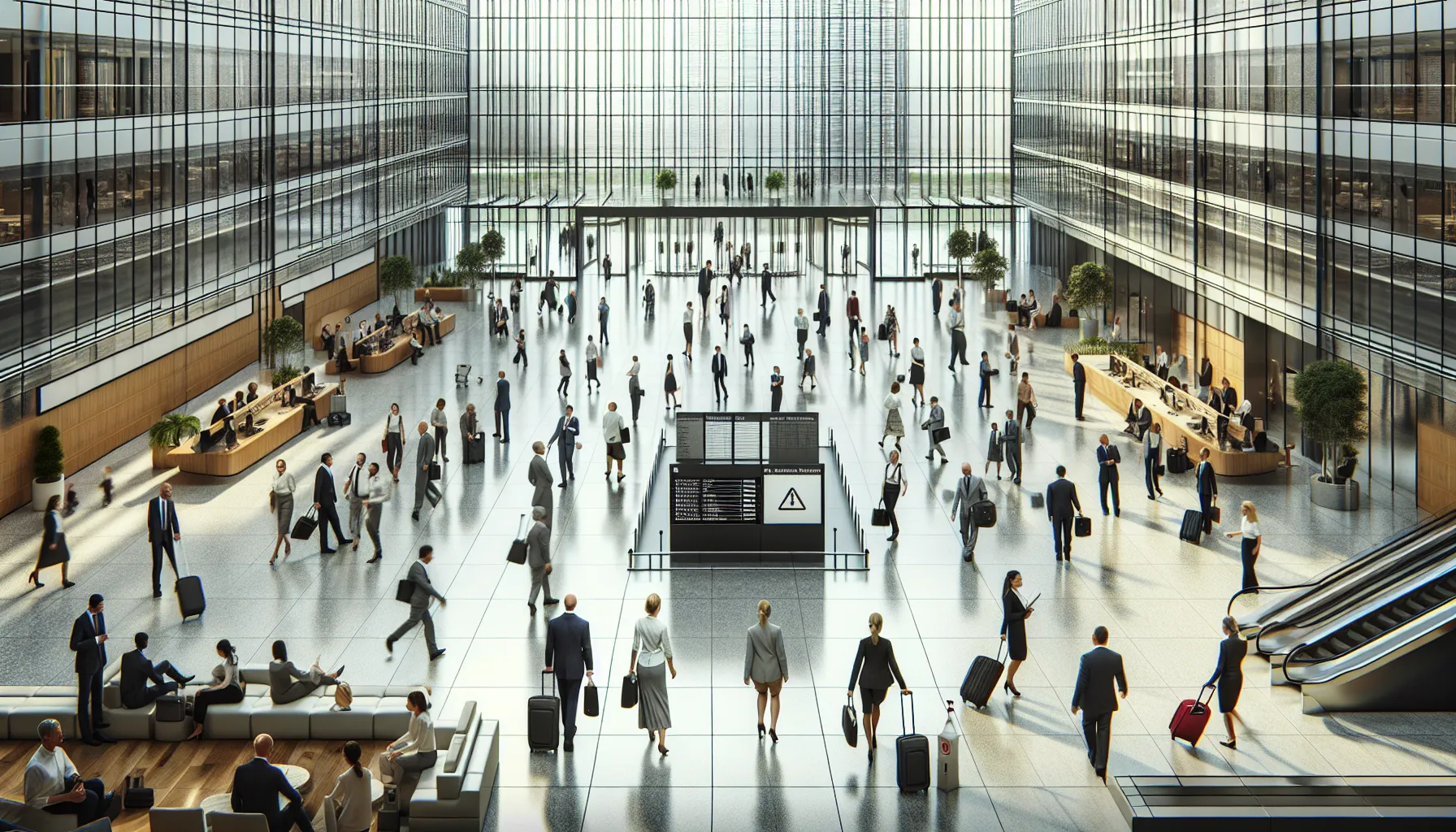
High-traffic areas, think entryways, corridors, shared restrooms, elevator lobbies, and break rooms, see more movement than most parts of a building. They’re the first and last thing visitors notice, and their condition speaks volumes about a facility’s overall standards.
What makes these spaces so demanding? For starters, there’s a steady stream of dirt, moisture, and debris tracked in on shoes, bags, and even the wheels of rolling suitcases or carts. In offices and commercial buildings, that means lingering dust, coffee spills, and fingerprints collect rapidly. Carpet fibers can start looking tired, tile floors become slick, and windows quickly lose their shine.
Another factor is the risk to health and safety. High-touch surfaces in these spaces are breeding grounds for germs, and with so many hands passing through, bacteria spreads swiftly. The challenge isn’t just about appearance: it’s also about keeping your staff and clients safe from illness.
Understanding these issues is the first step. Recognizing which parts of your space receive the most use allows us to focus our efforts where they have the biggest impact, helping your facilities make a positive impression every time.
Key Strategies for Effective High-Traffic Area Cleaning
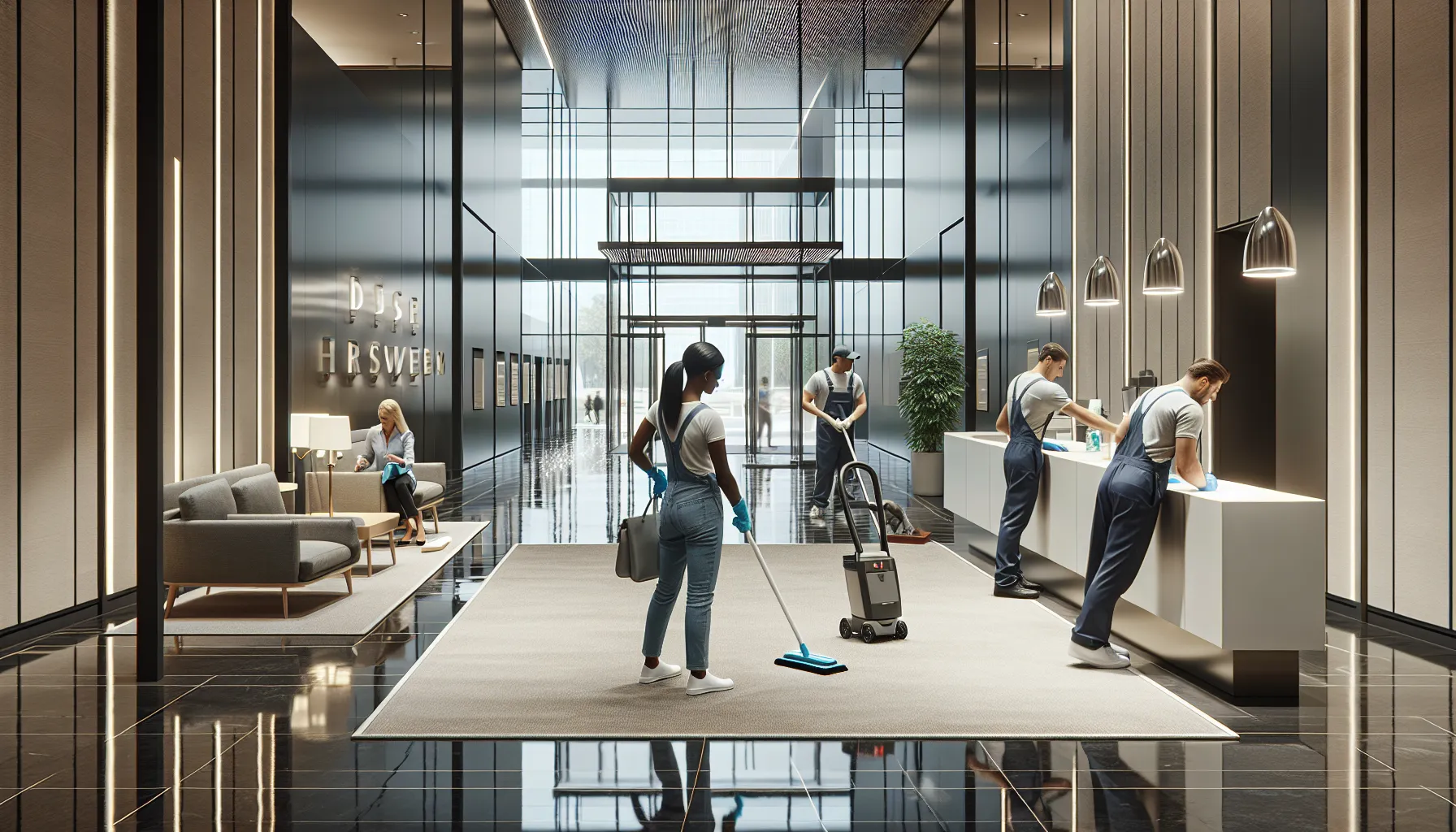
We all want our busiest spaces to look their best. To achieve that, it helps to have a game plan built from experience.
1. Frequent Touch-Point Cleaning
Cleaning shouldn’t wait until build-up is obvious. High-touch surfaces, like door handles, elevator buttons, reception counters, and restroom fixtures, should be wiped down multiple times each day. This routine reduces the risk of cross-contamination and helps keep illness at bay.
2. Layered Cleaning Techniques
A one-size-fits-all method rarely works. Vacuuming, sweeping, mopping, and spot-cleaning stains should happen on a rotating basis, with deeper methods scheduled regularly. We find that integrating multiple methods delivers fresher results for everything from carpets to glass.
3. Proper Floor Care
Floors take the brunt of foot traffic. Regular vacuuming, spot-cleaning, and periodic deep cleaning, for example, carpet shampooing or floor stripping and waxing, help floors last longer and maintain their shine. Entrance mats can also reduce incoming dirt: they must be cleaned frequently to stay effective.
4. Systematic Restroom Maintenance
High-use restrooms require special attention. Frequent disinfection of toilets, sinks, dispensers, and door handles keeps everything sanitary and odor-free. Restocking supplies on a consistent schedule prevents the inconveniences that quickly frustrate visitors.
5. Window and Glass Polishing
Smudged windows and glass doors make an otherwise tidy space feel neglected. Use streak-free cleaners and microfiber cloths for a polished appearance.
Customizing these strategies to the demands of your facility can create a welcoming, hygienic environment, even during the busiest hours.
Essential Tools and Products for High-Traffic Cleaning
Having the right gear truly sets great cleaning apart from the rest. Investing in commercial-grade tools saves time and maximizes effectiveness. Here’s what makes the difference:
- High-Efficiency Vacuums: Look for HEPA-filter models that trap dust and allergens, especially in carpeted areas.
- Microfiber Cloths & Mops: These draw in more dirt and bacteria than traditional cotton. They’re washable for repeated use, helping your cleaning team maintain high standards.
- Auto-Scrubbers & Floor Machines: For larger floors, automated scrubbers or polishers tackle build-up quickly and provide the deep clean needed for shine and safety.
- Quality Disinfectants: EPA-approved products are essential for surfaces prone to germs. We make it a point to rotate disinfectants so bacteria doesn’t build resistance.
- Touch-Free Dispensers: Paper towels and soap dispensers that minimize direct contact help maintain hygiene even after the cleaning crew leaves.
- Glass Cleaners and Squeegees: These prevent streaks and keep entryways looking clear and tidy.
Whatever the budget or building size, these tools have become the backbone of successful high-traffic area cleaning plans. Adding technology, like scheduling software or barcoding systems for supply tracking, brings even greater efficiency to the process.
Developing an Efficient Cleaning Schedule
Timing matters almost as much as technique. When every minute is packed with activity, smart scheduling separates a surface-level tidy-up from a truly pristine experience.
Assessing High-Use Patterns
The key is to observe when areas experience the heaviest use. Do hallways flood with people at lunch? Are meeting rooms empty in the evening but crowded in the morning?
Daily, Weekly, and Monthly Tasks
Tasks should be broken down by frequency:
- Daily: Vacuuming entrances, disinfecting restrooms, emptying trash, and wiping down high-touch points.
- Weekly: Deep-cleaning carpets, machine-scrubbing tile floors, and polishing glass.
- Monthly: Checking and deep-cleaning lesser-used spaces, maintaining entrance mats and hard-to-reach windows.
Staffing for Consistency
Assign the same cleaning personnel to each area when possible. Familiarity leads to attention to detail and builds trust among occupants. Our experience shows that consistency quickly translates to better results and even fewer complaints from tenants or building owners.
Feedback Loops
Including regular check-ins and feedback from your team and building occupants keeps the system responsive. If a schedule isn’t working, it’s best to adjust, our flexibility keeps cleaning moving at the same pace as foot traffic.
Tips for Prolonging Cleanliness in Busy Spaces
We can’t keep people from using busy spaces, but there’s plenty we can do to help them stay clean between scheduled services.
- Strategic Placement of Mats and Runners: Place mats at every entrance to trap dirt and moisture before it spreads. Clean these mats regularly, since a dirty mat quickly becomes useless.
- Accessible Waste Receptacles: Make it easy for occupants to dispose of trash by providing plenty of bins in high-traffic areas. Empty these frequently to maintain a neat look.
- Encourage Employee Involvement: Gentle reminders about keeping shared areas tidy make a difference. Clear signage about proper disposal and handwashing helps as well.
- Set Up Hand Sanitizer Stations: Placing these near entrances, elevators, and restrooms encourages hygiene between cleanings.
- Monitor Supplies Frequently: Keeping soap, paper towels, and other essentials available prevents quick deterioration in facility image between cleanings.
Taking these steps empowers everyone in the building to contribute to a more welcoming environment. Even the smallest tweaks, like moving a trash can to a busier corner, can lead to big improvements.
Common Mistakes to Avoid in High-Traffic Cleaning
While good intentions go a long way, there are pitfalls that can set back even the most well-meaning cleaning efforts. Here are missteps we see most often:
- Overlooking High-Touch Surfaces: Sometimes, it’s easy to focus on floors and floors alone. Ignoring surfaces like light switches, telephones, and desk handles leaves behind germs and grime that spoil the overall effect.
- Neglecting Restroom Details: Missing a refill of paper towels or leaving a water spot on a fixture may seem minor, but these details add up and quickly erode visitor confidence.
- Inconsistent Staff Assignments: When different faces show up for each cleaning, details are missed and problems don’t get communicated. Assigning the same team leads to better results and fosters a sense of pride among our staff.
- Using Harsh Chemicals Unnecessarily: Products that are too strong can damage finishes, dull surfaces, and leave unpleasant odors. Always choose the mildest product that will get the job done, especially in shared spaces.
- Skipping Scheduled Deep Cleaning: Relying only on daily cleaning causes grime to build up in corners and on surfaces. Sticking to periodic deep cleans preserves the integrity of your floors, carpets, and furnishings.
Avoiding these missteps makes all the difference. A thoughtful, attentive approach keeps the busiest spaces looking inviting day after day.
Conclusion
Keeping high-traffic areas clean calls for a blend of smart planning, reliable tools, and motivated people. We’ve seen firsthand how attention to detail and a consistent schedule pay off, not just in sparkling surfaces, but in happier, healthier building occupants. Are you thinking about how you might improve the care of your busiest spaces? Sometimes even one change, like new entrance mats or a revised cleaning schedule, can make a world of difference. If you’re ready to transform your facility’s busiest spots, remember: consistency, open communication, and the right tools help set the stage for a fantastic first impression every time.
Frequently Asked Questions About High-Traffic Area Cleaning
What is high-traffic area cleaning and why is it important?
High-traffic area cleaning involves maintaining facility spaces like entranceways, lobbies, restrooms, and corridors that see constant use. This type of cleaning is essential for preventing dirt, germs, and clutter from accumulating, maintaining a positive image, and ensuring a healthy environment for visitors and staff.
How often should high-traffic areas be cleaned?
High-traffic areas should be cleaned multiple times daily for touchpoints, trash removal, and restroom sanitation. More intensive cleaning tasks like deep carpet cleaning or floor scrubbing should be scheduled weekly or monthly, depending on the space’s use patterns.
What tools are most effective for cleaning high-traffic areas?
Effective high-traffic area cleaning relies on commercial-grade vacuums (preferably with HEPA filters), microfiber mops and cloths, auto-scrubbers, EPA-approved disinfectants, touch-free dispensers, and quality glass cleaners. Using the right tools improves cleaning efficiency and extends the life of surfaces.
How can I reduce germ spread in busy public spaces?
To reduce germ spread, focus on frequent disinfection of high-touch surfaces like door handles, elevator buttons, and counters. Provide hand sanitizer stations, keep soap and paper towels stocked, and use touch-free dispensers whenever possible to enhance hygiene between cleanings.
What are common mistakes to avoid in high-traffic area cleaning?
Common mistakes include neglecting high-touch surfaces, inconsistent staff assignments, skipping scheduled deep cleans, overusing harsh chemicals, and missing restroom details. Avoiding these pitfalls helps maintain cleanliness and promotes a positive facility image.
Can technology improve high-traffic area cleaning efficiency?
Yes, technology like scheduling software, barcoding systems for supply tracking, and automated cleaning equipment can streamline cleaning operations. These tools help track supply usage, assign tasks efficiently, and ensure all high-traffic areas receive consistent attention.