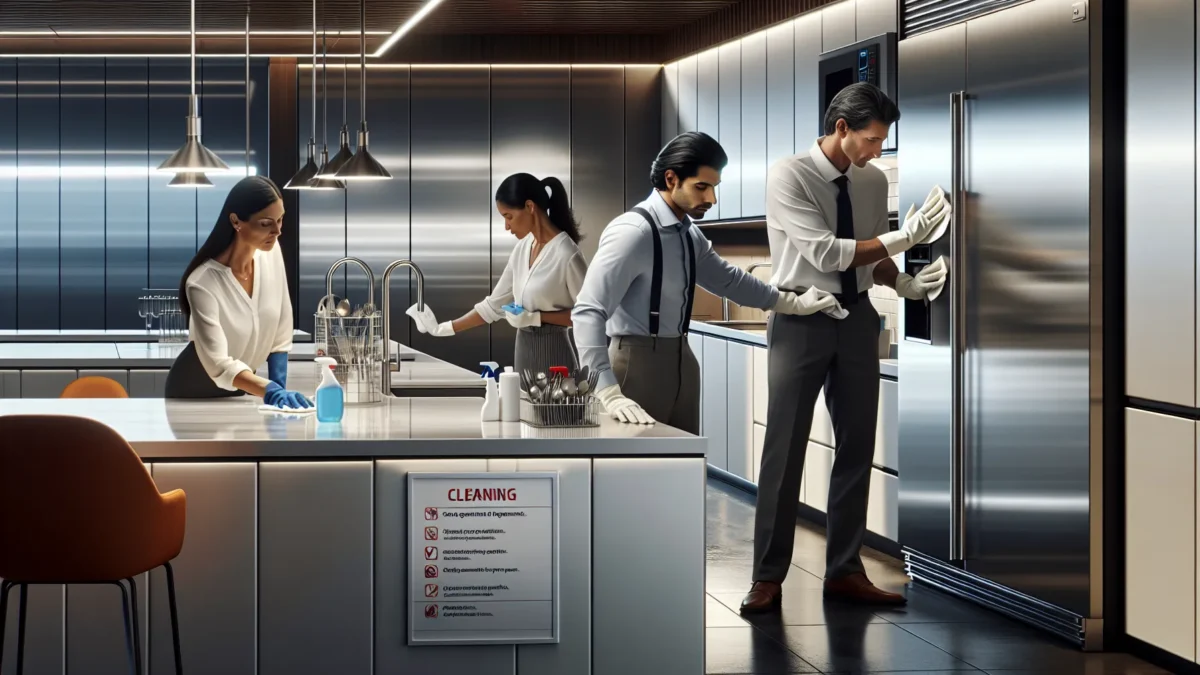
A clean office kitchen does more than make lunch breaks pleasant, it helps keep everyone healthy, productive, and comfortable. Do you ever wonder how much cleaner your kitchen could be with a few simple habits? Or what hidden spots might get overlooked in the daily rush? We get it. Sharing a kitchen with coworkers can bring challenges, from dishes piling up to mystery odors. Let’s walk through clear steps and helpful habits that make a real difference in your office kitchen.
Keep Your Office Kitchen Clean and Inviting
A spotless office kitchen creates a healthier, happier environment for everyone who uses it. AtSummit Janitorial, we understand that maintaining shared spaces takes more than good intentions—it takes consistency, care, and professional support. Ourcommercial cleaningservices help offices stay sanitary and organized, from disinfecting high-touch appliances to deep-cleaning floors and countertops. Whether your kitchen needs routine upkeep or a full refresh, our expert team ensures no detail is overlooked. Make your breakroom a place employees truly enjoy. To schedule a cleaning or discuss your needs,contact usor request aquotetoday.
Why Office Kitchen Cleanliness Matters
Maintaining a clean office kitchen impacts more than appearance. It reduces the spread of germs, cuts down on the potential for foodborne illness, and creates an environment where everyone feels comfortable. Think about all the hands that touch the microwave or the fridge handle every day. Without regular cleaning, these spots can become breeding grounds for bacteria.
A tidy kitchen helps us feel respected in our shared workspace. Studies show that cleanliness contributes to employee satisfaction, which can improve morale and even reduce turnover. It’s also important for workplace safety. Spilled coffee or unnoticed crumbs can lead to stains, slips, or pests. It’s surprising how quickly a forgotten mess becomes everyone’s inconvenience, or worse, a health concern.
Beyond health and comfort, a clean kitchen reflects care and attention to detail throughout the office. If visitors or clients see a sparkling kitchen, it sends a message: we care about our work and each other.
Daily Cleaning Checklist for Office Kitchens
Consistency is key. With a small effort each day, we can prevent big messes and keep the kitchen inviting. Here’s a daily office kitchen cleaning checklist:
Wipe down all countertops and tables with disinfectant to remove food residue and germs.
Clean sink and faucet handles. Run some hot water to flush away debris. Scrub gently with a non-abrasive sponge.
Empty the trash and recycling bins. If they’re nearly full, take them out. Lingering garbage leads to odors and attracts bugs.
Sweep or vacuum the floor. Pay special attention near trash bins and under tables.
Wash, dry, and put away all dishes. Don’t leave them sitting in the sink.
Dividing these jobs among team members helps everyone contribute. If you forget a task once in a while, no worries, getting back to routine is what matters.
Weekly and Monthly Deep Cleaning Tasks
Some jobs need more attention, just not every day. That’s where a weekly or monthly deep clean comes in. Tending to these tasks keeps our kitchen in top condition:
Weekly Tasks
Disinfect inside the microwave. Food splatters linger and create odors.
Wipe down the inside of the fridge. Toss expired items and wipe up any spills.
Mop the floor with a suitable cleaner for the surface type.
Clean small appliances like coffee makers and toasters, crumb trays and water reservoirs, especially.
Monthly Tasks
Empty and disinfect shelves inside cabinets.
Clean the vent hood, if present, to remove built-up grease.
Organize pantries and discard forgotten food.
Check fire extinguishers and replace anything near expiration.
Keeping track with a calendar or shared cleaning log helps the whole team know what’s done and what’s left to tackle.
Essential Cleaning Supplies and Tools
Having the right supplies on hand makes the job faster and easier. Here’s what we recommend for a spotless office kitchen:
All-purpose disinfectant spray and sanitizing wipes
Microfiber cloths and sponges, gentle on surfaces, strong on dirt
Gloves for protecting hands from cleaning products
Mop and bucket, broom and dustpan, or a vacuum (especially for carpeted kitchens)
Trash bags and recycling liners
Dish soap, scrub brushes, and drying racks
Dedicated fridge and microwave cleaning products (unscented is best for breakrooms)
Labeling supplies and storing them in an easy-to-reach spot keeps the cleaning process simple. If you have a larger kitchen or see high foot traffic, consider a dedicated cleaning caddy so everyone can grab and go.
Organizing and Maintaining Kitchen Appliances
A well-organized kitchen saves time and avoids frustration. Appliances run better when they’re organized and regularly cleaned, for example, a cluttered fridge can hide expired food, causing unpleasant smells. Here’s how we keep things running smoothly:
Assign spaces to different food types in the fridge, dairy on the top shelf, vegetables in bins, and drinks on the door.
Set a reminder to clean the coffee maker every week and run a cleaning cycle with vinegar or a manufacturer-approved solution.
Empty the toaster’s crumb tray weekly and clean inside gently (just make sure it’s unplugged first).
Inspect the microwave weekly. Place a microwave-safe bowl of water inside and run it for two minutes to loosen grime before wiping.
Label shared appliances for communal or personal use to avoid confusion and encourage respect.
If you notice an appliance isn’t working right, don’t wait, report it promptly so repairs happen before small problems become big ones.
Establishing Office Kitchen Cleaning Rules and Etiquette
Rules make expectations clear, creating a positive experience for everyone. Here are gentle guidelines we suggest for any shared office kitchen:
Clean up after yourself, immediately after eating or preparing food.
Label your food and containers. Remove expired or abandoned items each week.
Don’t leave dishes in the sink, wash, dry, and put them away the same day.
Wipe up spills right away, even small ones.
Respect scheduled cleaning times and assigned tasks on a roster, if you use one.
Communicate openly if you notice recurring issues, sometimes a friendly reminder goes a long way.
Posting these guidelines in a visible spot (like on the fridge) can help everyone remember their part.
And remember, a quick thank-you to those who pitch in makes a difference. It keeps kitchen cleaning a shared responsibility, not a thankless chore.
Conclusion
A clean office kitchen doesn’t happen by accident. It’s a result of shared effort, thoughtful routines, and the right tools. When we all do our part, we create a more comfortable, healthier workspace, one where people want to gather for lunch and even linger a bit longer over coffee. Ready to see the difference in your own kitchen? Start today with one small change, and invite your team to join you. Together, we can keep our kitchen, and our workdays, a bit brighter.
Frequently Asked Questions About Office Kitchen Cleaning
What are the essential steps in an office kitchen cleaning guide?
An effective office kitchen cleaning guide should include daily tasks like wiping countertops, sanitizing high-touch areas, emptying trash, and cleaning dishes, along with weekly deep cleans of appliances and monthly checks like organizing cabinets and inspecting safety equipment.
How often should office kitchen appliances be cleaned?
Most kitchen appliances in offices should get a basic wipe-down weekly. Deeper cleaning, such as descaling coffee makers or defrosting the fridge, should be added to the monthly office kitchen cleaning routine for best results.
Why is it important to keep an office kitchen clean?
A clean office kitchen reduces germs and the risk of foodborne illness, improves employee morale, supports workplace safety, and helps make the office inviting to both staff and visitors.
What cleaning supplies do you need for an office kitchen?
Key supplies include an all-purpose disinfectant, sanitizing wipes, microfiber cloths, gloves, trash bags, dish soap, and dedicated products for appliances like the fridge and microwave. Proper supplies make daily and deep cleaning tasks more efficient.
How can you encourage employees to follow kitchen cleaning rules?
Establish clear kitchen etiquette, post rules in a visible spot, assign rotating cleaning tasks, and foster open communication about shared responsibilities. Recognizing and thanking those who help keeps motivation high.
Are there eco-friendly options for office kitchen cleaning?
Yes, look for eco-friendly cleaning sprays, reusable cloths, and biodegradable trash bags. Encourage recycling and composting to further reduce the kitchen’s environmental impact.